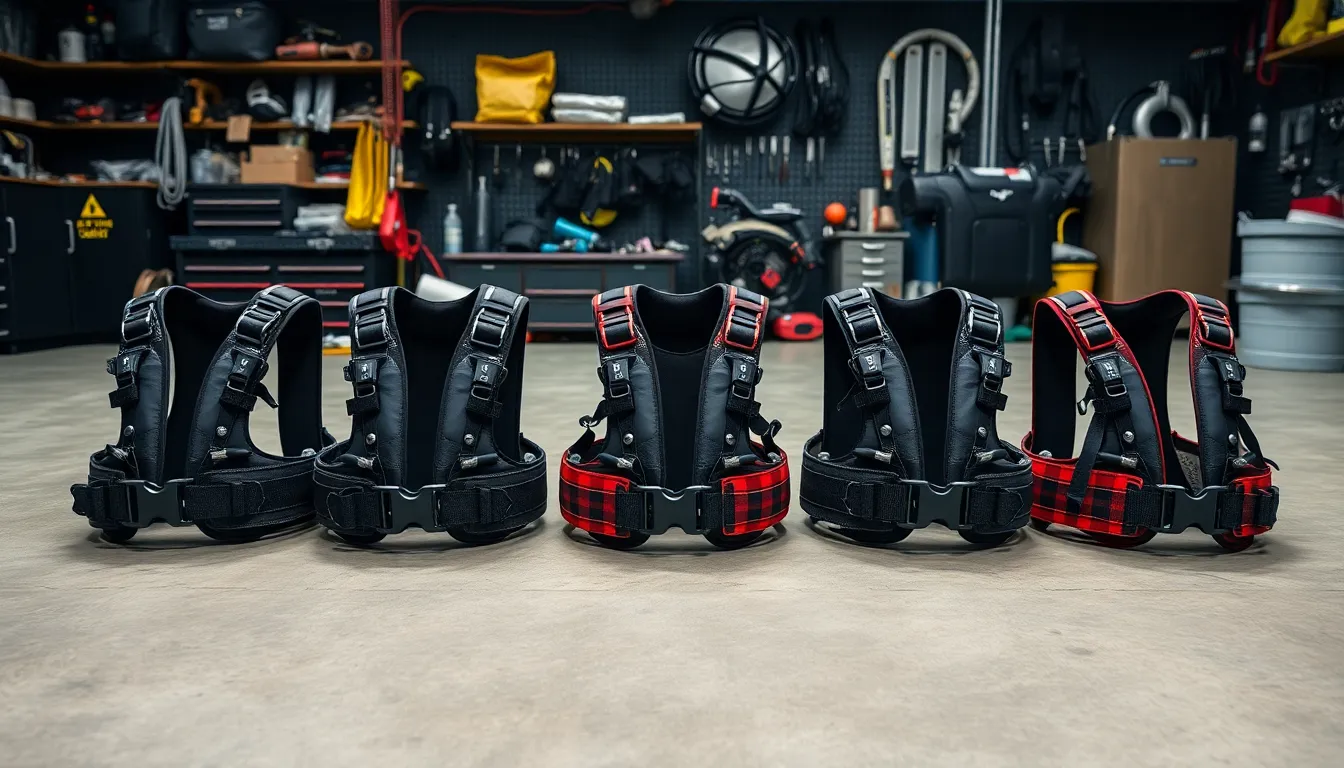
When it comes to spearfishing, safety and efficiency are paramount, making weight belts equipped with quick release mechanisms essential gear for divers. Have you ever thought about what might happen if you found yourself in an emergency underwater? A reliable weight belt not only helps you manage buoyancy but also provides a crucial safety feature that allows for the rapid release of weights, potentially saving your life in a challenging situation. Understanding the lifespan of your weight belt is also critical; it can vary significantly based on factors such as the materials used, how frequently it’s utilized, and the level of maintenance it receives. Generally, a high-quality weight belt can last anywhere from 3 to 5 years, provided it’s cared for properly. By investing time in maintenance and understanding the indicators of wear, you can ensure your equipment remains operational and safe for all your diving adventures.
Daily and Routine Maintenance Procedures
To ensure your weight belt remains functional and reliable, daily and routine maintenance is essential. Incorporating a structured maintenance schedule can greatly extend the life of your equipment and prevent potential accidents. Here are some key procedures to incorporate into your maintenance routine:
- Inspection: Before each use, perform a thorough inspection of the quick release mechanism. Look for any signs of wear, such as cracks or bending in the buckle, which could compromise its functionality. Check the strap for frays or breaks, as even minor damage can escalate quickly underwater. This proactive measure can help you catch issues before they become serious risks.
- Cleaning: After every dive, it’s crucial to rinse the belt with fresh water to remove salt, sand, and other debris that can cause corrosion and degradation over time. This simple step is especially important after diving in saltwater environments, where accumulated salt can rapidly deteriorate the materials. A gentle scrub with a soft cloth can also help remove stubborn particles, ensuring the belt remains clean and functional.
- Drying: Once cleaned, allow the belt to air dry completely in a shaded area. Exposure to direct sunlight can lead to UV damage, which weakens the materials and decreases the belt’s lifespan. Avoid using heat sources like hair dryers or radiators; instead, let nature do the work by hanging it in a well-ventilated area. Proper drying is essential to prevent mold and mildew growth, which can compromise both safety and hygiene.
Deep Cleaning and Servicing Protocols
Deep cleaning should be performed at least once a month or after extensive use to maintain optimal functionality. This process allows you to thoroughly clean and inspect your weight belt, ensuring it’s in top condition for future dives. Follow these steps for effective deep cleaning:
- Disassembly: Begin by carefully disassembling the quick release mechanism according to the manufacturer’s instructions. This will usually involve unscrewing or unclipping various components. Make a note of the order of parts for reassembly, as this will save time and frustration later. A systematic approach is essential to avoid losing any small components during this process.
- Soaking: Once disassembled, soak the components in warm, soapy water for about 15-20 minutes. This will help to soften and break down grime, making it easier to clean. Use a mild soap to avoid damaging the materials; harsh chemicals can weaken the integrity of the belt. This step is particularly important for removing buildup around the quick release mechanism, where dirt can easily accumulate and hinder functionality.
- Scrubbing: After soaking, use a soft brush to scrub away any stubborn debris. Focus on areas around the quick release mechanism, as these spots are often the dirtiest. Take your time to ensure all particles are removed, as any leftover debris could impact the mechanism’s performance. Be gentle; excessive force can scratch or damage the surface of the components.
- Rinsing and Drying: After scrubbing, rinse all parts thoroughly with clean water to ensure no soap residue remains. It’s essential to dry each component completely before reassembling to prevent rust or mildew. Use a soft, absorbent cloth or let them air dry in a shaded area. Once dry, carefully reassemble the quick release mechanism, ensuring everything is secured properly before your next dive.
Storage Recommendations and Best Practices
Proper storage can significantly extend the lifespan of your weight belt. Storing your equipment correctly ensures that it remains in excellent condition, ready for your next underwater adventure. Here are some best practices for storing your weight belt:
- Cool, Dry Place: Always store your weight belt in a cool, dry area away from direct sunlight and heat sources. Excessive heat can warp and degrade the materials, while moisture can lead to mold and mildew growth. A dedicated storage bag or container designed for diving gear can help protect your belt from environmental factors. This not only keeps your gear organized but also prolongs its usability.
- Flat Position: If possible, store the belt flat to prevent creasing and damage to the quick release mechanism. Hanging the belt can sometimes lead to unnecessary stress on the straps and components. If you have limited storage space, consider rolling the belt gently rather than folding it, as this will help maintain its shape and integrity.
- Avoid Weight: Never place heavy items on top of the weight belt during storage, as this can warp its shape and functionality. Even seemingly minor pressure can lead to permanent damage over time. Ensure your storage area is free of clutter to maintain the belt’s structural integrity and ensure it remains ready for your next dive.
Common Wear Indicators and Warning Signs
Being aware of common wear indicators can prevent failures while diving. Regularly checking for these warning signs can help you catch issues early, ensuring your safety underwater. Here are some key indicators to watch for:
- Fraying Straps: If you notice any fraying or thinning of the straps, it’s a clear sign that the material is weakening. Frayed straps can lead to failure during a dive, which can be dangerous. Regularly inspect the straps for any signs of wear, and consider replacing them if the fraying is significant. A proactive approach to monitoring strap condition can prevent accidents and enhance your diving experience.
- Corrosion: Check the metal components, particularly around the quick release mechanism, for any signs of rust or corrosion. Corrosion can compromise the integrity of the mechanism, making it unreliable. If you detect any rust, clean it immediately using appropriate rust removers designed for underwater gear. In cases where corrosion is severe, consider replacing the affected components to maintain safety.
- Loose Components: If the buckle or any other elements feel loose or do not function smoothly, it may be time for a repair or replacement. Loose components can hinder the quick release functionality, which is crucial in emergencies. Regularly test the mechanism to ensure it operates smoothly and securely. If you find any issues, don’t hesitate to address them before your next dive.
Repair vs Replacement Decision Guidelines
Deciding whether to repair or replace your weight belt can be challenging, especially when it comes to safety gear. Consider the following guidelines to help you make an informed decision:
- Extent of Damage: Assess the extent of the damage to your belt. If the damage is superficial, such as minor fraying of straps, repairing may be a viable option. However, significant structural damage, such as a broken buckle or compromised quick release mechanism, warrants replacement. Always err on the side of caution; if you’re unsure about the safety of the gear, consult a professional.
- Cost-Effectiveness: Evaluate the cost of replacement parts versus the price of a new belt. If the cost of repairs and replacement parts is approaching or exceeding the price of a new belt, investing in a new piece of equipment may be the wiser choice. Remember, your safety is paramount, and sometimes investing a little more upfront can save you from significant risks later on.
- Safety Concerns: If there’s any doubt about the reliability of the belt after a repair, prioritize safety and opt for a replacement. Diving gear is not an area where you want to take risks; the potential consequences of a malfunctioning weight belt can be severe. When it comes to your safety and dive experience, it’s always better to be safe than sorry.
DIY Repair Instructions for Common Issues
For minor issues, you can perform DIY repairs on your weight belt, saving time and money while ensuring the equipment remains functional. Here are some common fixes that you can easily handle yourself:
- Re-threading a Frayed Strap: If a strap is frayed, you can cut the frayed part and re-thread the strap through the buckle. Ensure it’s secure and properly aligned, as improper threading can lead to further fraying or failure during use. Always double-check the quick release functionality after making adjustments to confirm that it operates as intended.
- Lubricating the Quick Release Mechanism: Use a silicone lubricant to ensure smooth operation of the quick release mechanism. Apply it sparingly to avoid attracting dirt and debris, which can hinder performance. Wipe off any excess lubricant with a clean cloth. This simple maintenance step can significantly enhance the longevity and reliability of the mechanism, ensuring it functions effectively when needed most.
- Replacing a Broken Buckle: If the buckle is damaged, purchase a compatible replacement from a reputable source. Remove the old buckle by carefully following the manufacturer’s instructions, including any screws or clips that may be involved. Once the old buckle is detached, install the new one, ensuring it is securely fastened. This straightforward repair can greatly enhance the overall functionality of your weight belt.
Professional Service Recommendations
For complex repairs or if you’re unsure about performing maintenance, seeking professional servicing is highly recommended. Look for specialized dive shops or technicians who have experience with weight belts and quick release mechanisms. Regular professional service can provide peace of mind, ensuring your gear is in optimal condition. A professional service often includes an in-depth inspection, cleaning, and repairs that you might miss during routine maintenance. This level of attention not only enhances the lifespan of your equipment but also guarantees your safety while diving.
Replacement Parts Sources and Availability
Finding replacement parts for your weight belt is crucial for maintaining its functionality and ensuring your safety underwater. Here are some reliable sources where you can find parts:
- Manufacturer Websites: Always check the official website of your weight belt’s manufacturer for authorized replacement parts. Many manufacturers offer a range of components that are specifically designed for their products, ensuring a perfect fit and optimal performance. Additionally, purchasing from the manufacturer can often come with warranty protections that third-party sources may not provide.
- Dive Shops: Local dive shops often carry spare parts or can order them for you, ensuring you get the right fit for your specific weight belt model. Building a relationship with your local dive shop can also provide you with expert advice on maintenance and repair, helping you make informed decisions about your gear.
- Online Retailers: Websites such as Amazon or specialized diving gear retailers often have a wide range of replacement parts available. When shopping online, be sure to read reviews and product descriptions carefully to ensure compatibility with your weight belt. This can save you from purchasing incorrect parts and help you find the best deals.
Conclusion: Ensuring Your Safety and Gear Longevity
By adhering to these maintenance and care guidelines, you can ensure that your weight belt with quick release mechanisms remains safe and effective for many dives to come. Regular inspection, cleaning, and proper storage can significantly extend the life of your equipment, while being vigilant about wear indicators can prevent potentially dangerous situations underwater. Remember, your safety should always be your top priority when diving. Make a habit of assessing your gear before every dive, and don’t hesitate to seek professional help when needed. Taking these proactive steps will not only enhance your diving experience but also give you peace of mind knowing that your equipment is in optimal condition. So, gear up, dive safely, and enjoy the underwater world with confidence!