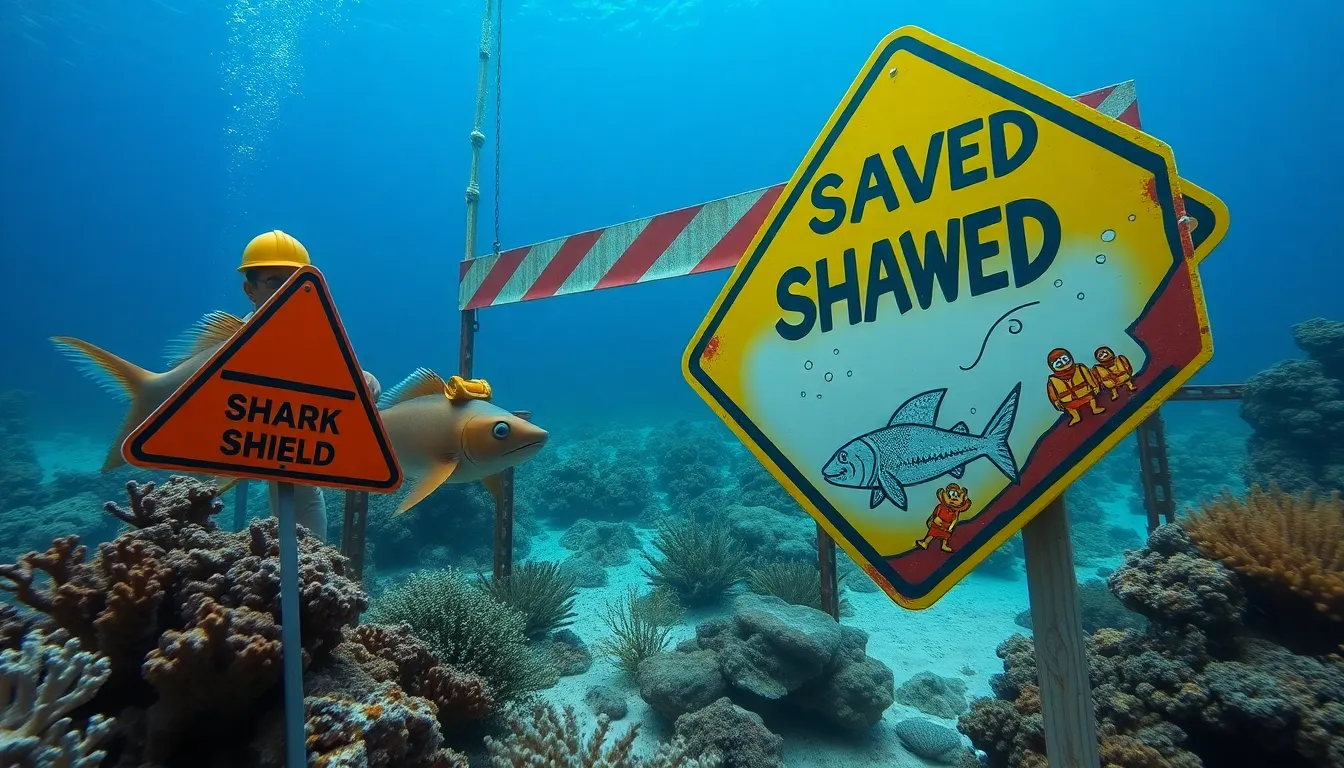
西オーストラリアでのスピアフィッシングは、初心者からベテランまでを魅了する刺激的なアクティビティです。しかし、このスポーツには特にサメとの相互作用に関して固有のリスクが伴うことを認識することが重要です。安全の状況を理解することは、潜在的な危険を認識するだけでなく、これらのリスクを軽減するための効果的なプロトコルを実施することも含まれます。
西オーストラリアの水域には、スピアフィッシャーに脅威を与える可能性のあるさまざまなサメの種が生息しています。サメに関する事故は、単なる好奇心から攻撃的な遭遇までさまざまであり、すべてのスピアフィッシャーが周囲に注意を払い、確立された安全プロトコルに従うことが不可欠です。
リスク評価フレームワーク
サメの活動が知られている地域でのスピアフィッシングに関連する危険を特定し評価するためには、包括的なリスク評価フレームワークが不可欠です。このフレームワークには以下が含まれるべきです:
- リスクの特定:その地域に生息する特定のサメの種類、行動、およびサメの活動が増加する可能性のある条件を認識します。
- リスクの評価:位置、時間帯、水の状態などの要因に基づいて、サメに遭遇する可能性を評価します。
- コントロール措置の実施:安全装備の使用、バディシステムの導入、安全プロトコルの遵守など、リスクを最小限に抑えるための戦略を策定します。
リスクマトリックスを使用することでさまざまな場所や条件に関連するリスクのレベルを分類し、スピアフィッシャーが水に入る前に情報に基づいた意思決定を行えるようにします。 can help categorize the level of risk associated with different locations and conditions, allowing spearfishers to make informed decisions before entering the water.
予防戦略とベストプラクティス
安全なスピアフィッシング体験を確保するために、いくつかの予防戦略を採用できます:
- バディシステム:常にパートナーと一緒に釣りをします。この習慣は安全性を高めるだけでなく、緊急時に即座に支援を提供します。
- 情報を常に把握:出発前に地元のサメの目撃情報や報告を確認します。多くのコミュニティや海洋当局がサメの活動に関する最新情報を提供しています。
- 濁った水を避ける:サメは視界が悪い濁った水にいる可能性が高くなります。スピアフィッシングには透明な水の場所を選びましょう。
- ダイブのタイミング:サメがより活発で視界が悪くなる早朝や夕方のダイブを避けます。
これらのベストプラクティスを実施することで、サメとの不利な遭遇の可能性を大幅に減少させることができます。
安全装備とギアの要件
適切な安全装備を整えることは、すべてのスピアフィッシャーにとって不可欠です。推奨される安全装備には以下が含まれます:
- サメシールド:この電子機器は電磁場を通じてサメを寄せ付けず、スピアフィッシング中に保護の層を提供します。
- ウェットスーツ:厚手のウェットスーツは、熱的な保護を提供するだけでなく、遭遇時の鋭い歯による怪我のリスクを減少させます。
- ナイフ:ダイブナイフは自己救助や絡まったものを切り離すために重要です。
- フロートとフラッグ:フラッグ付きのダイブフロートを使用して、ボートや他のスピアフィッシャーに自分の存在を知らせ、水中での視認性を高めます。
安全装備を定期的に点検し、必要なときに正しく機能することを確認します。
ステップバイステップの安全プロトコル
確立された安全プロトコルに従うことは、スピアフィッシング中のリスクを減少させるために重要です:
- 準備:外出前に、安全装備を含むすべての必要なギアを持っていることを確認し、天候や水の状態をチェックします。
- ダイブプランの確立:バディとダイブプランについて話し合い、ダイブサイト、時間、深さ、および特定の安全対策を含めます。
- プレダイブ安全チェックの実施:自分とバディの両方が機能する装備を持っていること、安全装備が整っていることを確認します。
- ダイブの意識:常に周囲に注意を払い、海洋生物やバディに目を配ります。
- ダイブ終了プロトコル:水面に出た後、バディと再集合し、両方が水から出る前に確認します。
これらのプロトコルは安全性を高めるだけでなく、スピアフィッシャー間の責任感の文化を促進します。
Emergency Response Procedures
In the event of an emergency involving a shark encounter, having a clear response plan is crucial. Follow these procedures:
- Remain Calm: Stay as calm as possible to think clearly and communicate effectively with your buddy.
- Assess the Situation: Determine if the shark poses a real threat. If it is simply curious, maintain a steady position.
- Back Away Slowly: If the shark approaches, back away slowly while keeping the shark in sight. Avoid sudden movements that may provoke it.
- Defend Yourself: If the shark attacks, defend yourself by targeting its eyes, gills, or snout with your dive knife or any available object.
- Exit the Water Safely: Signal to your buddy and exit the water together in a controlled manner, keeping an eye on the shark.
It is essential to practice these emergency procedures regularly to ensure readiness in case of an actual incident.
Training and Certification Requirements
To enhance safety and preparedness, spearfishers should consider undertaking formal training and certification. Relevant courses include:
- Spearfishing Safety Courses: These courses cover essential safety protocols, risk assessment, and emergency response.
- First Aid and CPR Training: Being certified in first aid and CPR can save lives in emergencies, particularly in remote areas.
- Shark Awareness Programs: These programs educate spearfishers on shark behaviors, identification, and safety measures specific to local waters.
Certification not only improves individual skills but also contributes to a safer community of spearfishers.
Regular Safety Reviews and Updates
Safety protocols and guidelines should not remain static. Regular reviews and updates are necessary to adapt to changing conditions and new information:
- Periodic Training Refreshers: Attend refresher courses to stay updated on the latest safety practices and technologies.
- Community Engagement: Participate in local spearfishing groups to share knowledge and experiences related to shark encounters and safety.
- Feedback Mechanisms: Establish a system for reporting incidents and near misses to improve safety protocols continuously.
By fostering a culture of safety and continuous improvement, spearfishers can better protect themselves and their peers in the water.
Emergency Contacts: In case of an emergency, have local emergency contacts readily available, including marine rescue services and local authorities. Ensure everyone in your group is aware of these contacts before heading out.
By adhering to these essential shark safety protocols and maintaining a proactive approach to safety, spearfishers in Western Australia can enjoy their sport while minimizing risks associated with shark encounters.