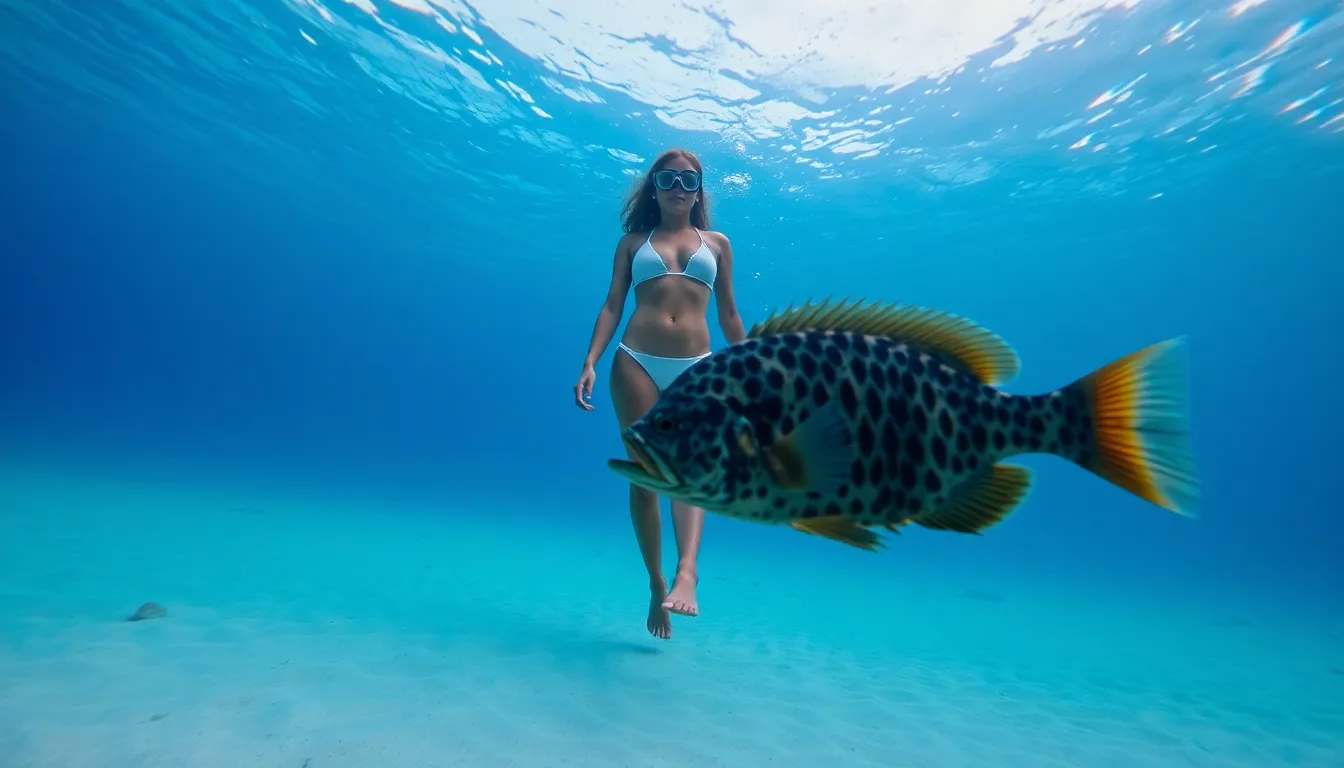
魚突きは、狩猟とダイビングのスリリングな組み合わせであり、技術的なスキルだけでなく、強靭な身体的コンディショニングも求められます。魚突きのための身体的コンディショニングとワークアウトルーチンは、水中でのパフォーマンスを向上させるために重要です。このガイドでは、水中での能力を向上させるための基本的なテクニックとエクササイズを詳述し、効率的かつ安全にダイブを実行できるようにします。
魚突きには、力、持久力、柔軟性、呼吸コントロールの組み合わせが必要です。効果的なコンディショニングは、より深く潜り、より長く息を止め、そして水中の課題に迅速に対応できるようにします。魚突きの身体的要求を理解することで、これらのニーズに応じたワークアウトルーチンを調整することができます。
前提条件:息止めと水泳スキル
厳しいトレーニングプログラムに取り組む前に、息止めと水泳の現在のスキルを評価することが重要です。これらは、魚突きの成功に直接影響を与える基本的なスキルです。
息止めテクニック
効果的な息止めは、魚突きにおける安全性とパフォーマンスにとって重要です。良い息止めは、水中に長く留まることを可能にし、成功する狩猟のチャンスを高めます。息止めの能力を向上させるために:
- 横隔膜呼吸:肺活量を増やすために深呼吸のテクニックを練習します。
- 静的アプネアトレーニング:プールに横たわりながら息を止め、徐々にその時間を延ばします。
- ダイブアプネアトレーニング:狩猟条件をシミュレートするために、ダイビング中に息を止める練習をします。
水泳スキル
効率的に水中環境をナビゲートするためには、熟練した水泳スキルが必要です。以下の水泳テクニックに焦点を当ててください:
- 自由形とドルフィンキック:水中でのスピードと敏捷性を向上させます。
- 水中泳:エネルギーを節約するために、最小限の動きで水中を泳ぐ練習をします。
- 水面泳:水面で長距離を泳ぐことで持久力を高めます。
水中の考慮事項を含む詳細な実行の内訳
成功する魚突きのダイブを実行するには、練習と精度を要するいくつかの重要な要素があります。実行プロセスの内訳は以下の通りです:
ダイブ前の準備
- ギアチェック:ウェットスーツ、フィン、スピアガンを含むすべての機器が正常に機能していることを確認します。
- ウォームアップ:筋肉を準備するために軽いストレッチとダイナミックな動きを行います。
ダイビングテクニック
水中に入ったら、以下のステップに従います:
- エントリー:音や乱れを最小限に抑えるために、スムーズにエントリーします。
- 降下:降下中の抵抗を減らすために、流線型の体勢を使用します。
- 等圧:深く潜るにつれて不快感を避けるために、定期的に耳を等圧します。
- 安定化:呼吸と体の位置を調整して中立浮力を達成します。
水中ナビゲーション
水中では、以下の考慮事項を念頭に置いてください:
- 認識:潜在的な獲物を見つけるために周囲に注意を払います。
- ステルス:魚を驚かせないように、ゆっくりと意図的に動きます。
- 呼吸コントロール:冷静さを保ち、酸素を節約するために呼吸を調整します。
水中狩猟に特有の一般的なエラー
Even experienced spearfishers can make mistakes that hinder their effectiveness. Here are common errors to avoid:
Equipment Mismanagement
- Poor Gear Selection: Using inappropriate gear can affect your mobility and comfort.
- Improper Maintenance: Failing to check and maintain gear can lead to malfunctions during a dive.
Technique Flaws
- Incorrect Entry: A noisy or clumsy entry can scare away fish.
- Rapid Movements: Quick, jerky movements can increase your visibility and reduce your chances of success.
Breath-Hold Mistakes
- Ignoring Equalization: Failing to equalize can lead to ear barotrauma.
- Overexertion: Pushing your breath-hold limits too far can lead to blackouts.
Advanced Variations for Different Conditions
As you become more proficient, consider adapting your workouts and techniques to accommodate various underwater conditions:
Variable Depths
Training for different depths requires specific conditioning:
- Shallow Water: Focus on speed and agility to catch fish that are close to the surface.
- Deep Water: Enhance your breath-holding and equalization techniques for deeper dives.
Current and Visibility
Adjust your approach based on environmental conditions:
- Strong Currents: Build strength and endurance to swim against currents.
- Poor Visibility: Practice tracking and hunting techniques that rely on sound and movement.
Practice Drills for Pool and Open Water
Regular practice is necessary to refine your skills. Here are drills to incorporate into your training:
Pool Drills
- Static Apnea: Hold your breath while submerged in a pool for extended periods.
- Dynamic Apnea: Swim underwater for distance while holding your breath.
Open Water Drills
- Depth Training: Practice descending and ascending at controlled intervals.
- Target Practice: Use a spear gun to practice aiming and shooting at stationary targets.
Performance Metrics and Breath-Hold Integration
Tracking your performance is crucial for improvement. Consider the following metrics:
Breath-Hold Times
Keep a log of your static and dynamic apnea times to monitor progress. Aim for gradual increases in duration without sacrificing safety.
Depth Achievements
Record the maximum depth you can reach comfortably and safely. This will help you set goals for future dives.
Technique Assessment
Consider filming your dives to analyze your technique. Look for areas of improvement in your entry, descent, and overall movement.
Safety Protocols and Emergency Procedures
Safety should always be your top priority while spearfishing. Familiarize yourself with these protocols:
Buddy System
Always dive with a partner. A buddy can assist in emergencies and ensure you remain safe while exploring underwater.
Pre-Dive Checks
- Equipment Check: Verify that all your gear is in good condition.
- Emergency Plan: Establish a plan for emergencies, including signaling and rescue procedures.
Signs of Distress
Be aware of the signs of distress in yourself and your buddy. Common signs include:
- Rapid Breathing: Indicates a need to surface immediately.
- Disorientation: Suggests that assistance is required.
In conclusion, mastering your spearfishing skills through an effective physical conditioning and workout routine for spearfishing is essential for both performance and safety. By adhering to the techniques outlined in this guide, you can enhance your abilities and enjoy your time underwater with confidence.