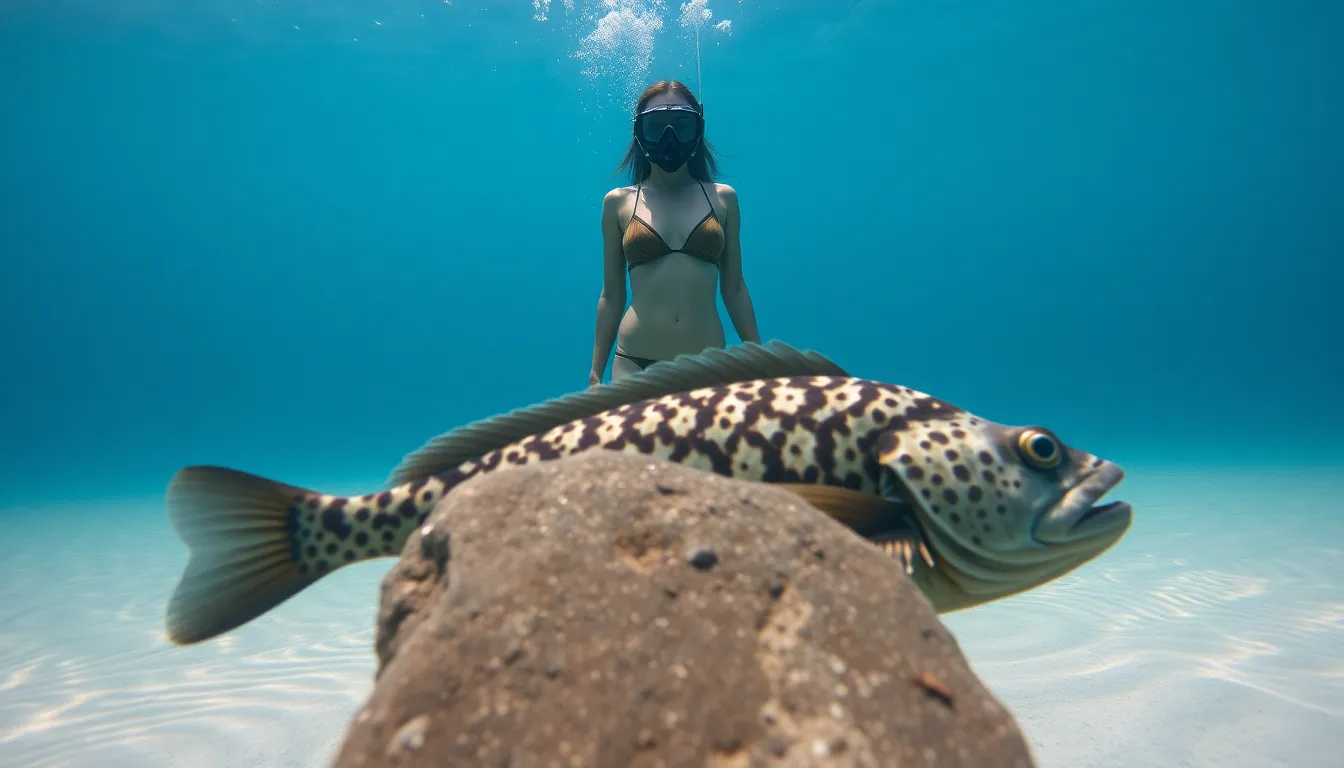
あなたは、息を止めながら、色とりどりの海洋生物に囲まれて、海を滑るように楽に泳ぐ感覚がどんなものか考えたことがありますか?フリーダイビングは単なるダイビングではなく、水とつながり、自分の限界を押し広げることです。この初心者向けのフリーダイビングの呼吸法に関する包括的なガイドでは、より深く潜るために必要な基本的なスキルを身につけ、安全性とこの刺激的なスポーツの楽しさを高めることができます。この記事では、基本的な概念、構造化された学習パス、スキルを向上させるためのエクササイズ、安全に関する考慮事項、避けるべき一般的なミス、さらなる学習のためのリソースを探ります。このガイドの終わりまでには、自信を持ってフリーダイビングの旅を始める準備が整います。
特定の技術に入る前に、フリーダイビングに関連する基本的な概念と用語を理解することが重要です。これらの用語に慣れることで、学習体験が向上し、後でこのガイドで説明される技術を理解しやすくなります。
- フリーダイビング:呼吸器具を使用せずに息を止めることに完全に依存する魅力的な水中ダイビングの形態です。フリーダイビングは、水中環境との深い結びつきを強調し、ダイバーが静けさと自由を感じながら深さを探求できるようにします。
- アプネア:水中で息を止めることを実践することです。これは単なる技術ではなく、呼吸を最適化し、リラクゼーションを高めるために精神的な集中と身体的な調整を必要とする芸術形式です。
- 横隔膜呼吸:浅い胸式呼吸ではなく、横隔膜を利用することに焦点を当てた基本的な呼吸技術です。この方法は肺活量を最大化し、酸素交換を改善し、リラクゼーションを促進します。これは、より長い息止めを達成するための重要な要素です。
- 迷走神経の活性化:体をリラックスさせ、心拍数を下げるのに役立つ強力な技術で、フリーダイビングの体験を向上させます。この方法は不安を軽減し、集中力を高めることができ、ダイバーが水中での落ち着きを感じることを可能にします。
- スタティックアプネア:ダイバーが動かずに水面に浮かびながら息を止めるフリーダイビングの一つの分野です。この練習は、息を止める持久力とリラクゼーション技術を発展させるために重要であり、より深いダイビングのための基本的な土台となります。
これらの用語を理解することで、知識が豊かになり、フリーダイビングに必要な実践に深く入るためのしっかりとした基盤が提供されます。
学習パスの概要
フリーダイビングの呼吸技術を習得する旅は、構造化された学習パスを通じて最も効果的に進められます。これにより、スキルを段階的かつ安全に構築できます。以下は、期待される内容の概要です:
- ステップ1:基礎的な呼吸技術– 横隔膜呼吸から始めて、強固な基盤を築きます。このステップは非常に重要で、肺活量を最大化し、リラクゼーションを促進する方法を学ぶことで、より高度な技術への準備を整えます。
- ステップ2:息止めの練習– 徐々にスタティックアプネアを練習して、水中での快適さを高めます。この段階では、息を止めている間の精神状態を管理することを学ぶことが重要です。
- ステップ3:高度な技術– イコライゼーションや迷走神経の活性化などの高度な技術を学びます。これらのスキルは、より深いダイビングに不可欠であり、圧力変化に伴う不快感や怪我を防ぐのに役立ちます。
- ステップ4:スキルの統合– 実際のフリーダイビングセッション中にこれらの技術を統合し始めます。この実践的な応用が、あなたのトレーニングの集大成を示し、自信を持って深い水域を探求する手助けをします。
この道を進むことで、スキルを段階的かつ安全に構築し、充実した楽しいフリーダイビング体験の準備が整います。
進行的なスキル構築エクササイズ
フリーダイビングの呼吸技術を発展させるために、スキルと水中での快適さを高める一連の進行的なエクササイズをまとめました。
エクササイズ1:横隔膜呼吸
横隔膜呼吸を練習することから始めます。このエクササイズは、フリーダイビングの強固な基盤を築くために重要です。以下のステップに従ってください:
- 横になったり座ったりして快適な姿勢を見つけます。この姿勢は、気を散らさずにリラックスできるものであるべきです。
- 一方の手を胸に、もう一方の手をお腹に置きます。これにより、呼吸する際の横隔膜の動きを感じることができます。
- 鼻から深く息を吸い込み、横隔膜が広がり、お腹が手を押し出すのを確認します。肺を完全に満たし、空気が肺の下部に届くようにします。
- 口からゆっくりと息を吐き、お腹が下がるのを感じます。すべての空気を放出し、毎回の呼吸で体をリラックスさせることに集中します。
- 肺活量を高めるために、毎日5〜10分繰り返します。進歩するにつれて、各吸気と呼気の持続時間を徐々に増やし、穏やかでリズミカルなパターンを目指します。
エクササイズ2:スタティックアプネア
横隔膜呼吸に慣れたら、スタティックアプネアを練習します。このエクササイズは、息を止める技術を学ぶために不可欠です:
- 安全な環境で、リラックスするために数回深呼吸をします。これにより、息を止める準備が整います。
- 最後の深呼吸をし、肺を完全に満たします。リラックスして、精神的に準備が整っていることを確認します。
- 顔を水中に沈めて息を止めます。プールや安全を感じる浅い水で行うことができます。
- 不快感を感じることなく息を止められる時間を計ります。この段階では、冷静さと集中力を保つことが重要です。
- 休憩を取り、各セッションで徐々に時間を増やします。進捗を追跡して改善をモニターし、個人的な目標を設定することを検討してください。
エクササイズ3:迷走神経の活性化
この技術は、リラックスし心拍数を下げるのに役立ち、成功するフリーダイビング体験には不可欠です:
- 深呼吸をし、一瞬息を止めます。この最初の吸気がリラクゼーションの準備を整えます。
- ゆっくりと息を吐き、毎回の呼吸で体をリラックスさせることに集中します。息を吐くときに筋肉が緩むのをイメージします。
- 4カウントで吸い、7カウントで止め、8カウントで吐きます。この特定のパターンは4-7-8テクニックとして知られ、リラクゼーションを促進し、不安を軽減します。
- 迷走神経を活性化するために5〜10サイクル繰り返します。この技術を日常生活に取り入れるか、ダイビング前に行うことで最適な結果を得ることができます。
Safety Considerations and Warnings
Safety should always be your top priority when freediving. Adhering to safety protocols is essential for preventing accidents and ensuring a positive experience. Here are some important considerations:
- Never dive alone: Always practice with a buddy who can assist in case of an emergency. A diving partner is crucial for safety, as they can monitor your well-being and provide assistance if anything goes wrong.
- Know your limits: Gradually increase your breath-hold times and depths. Avoid pushing yourself too hard, as this can lead to dangerous situations, including blackouts. Recognizing your personal limits and respecting them is key to safe diving.
- Stay hydrated: Proper hydration is essential for optimal performance. Dehydration can negatively impact your physical capabilities and increase your risk of injury while diving. Drink plenty of water before and after your diving sessions.
- Be aware of shallow water blackout: This occurs when a diver loses consciousness due to hypoxia. Always dive with a partner who can monitor you and is trained to respond in emergencies. Understanding the signs of hypoxia can also help you avoid this dangerous condition.
Following these safety tips will help ensure a positive and secure freediving experience, allowing you to focus on the beauty and tranquility of the underwater world.
Common Beginner Mistakes to Avoid
As a beginner, it’s easy to make mistakes that can hinder your progress and enjoyment. Here are some common pitfalls to watch out for:
- Overexerting yourself: Pushing too hard can lead to anxiety or blackouts. Always listen to your body and recognize when it’s time to take a break. Learning to respect your physical limits is crucial for long-term success in freediving.
- Neglecting safety protocols: Failing to dive with a buddy or ignoring safety measures can be dangerous. Establish a clear plan with your dive partner before entering the water, including signals for communication and emergency procedures.
- Inconsistent practice: Regular practice is key to improvement. Set aside time each week to work on your techniques. Consistency helps reinforce your skills and builds confidence in your abilities.
- Ignoring breathing techniques: Proper breathing is essential to success in freediving. Don’t skip the foundational practices. Make diaphragmatic breathing and vagus nerve activation a regular part of your warm-up routine.
When and How to Advance to the Next Level
As you become comfortable with the basics, you may be eager to advance your skills. Here’s how to know when you’re ready to take the next step in your freediving journey:
- Consistency: You should be able to consistently hold your breath for longer periods and feel comfortable doing so. Tracking your progress with a journal or app can help you stay motivated and focused on improvement.
- Strong foundational skills: Ensure that you have mastered diaphragmatic breathing and static apnea before moving on. Consider seeking feedback from more experienced divers to identify areas for improvement.
- Knowledge of advanced techniques: Familiarize yourself with equalization techniques and their importance in deeper dives. Understanding how to equalize properly will prevent discomfort and injuries as you explore greater depths.
When you feel ready, consider enrolling in a freediving course to enhance your skills further and learn from experienced instructors. Structured training will provide invaluable insights and techniques that can help you reach your goals more quickly and safely.
Resource Recommendations for Further Learning
To continue your education in freediving, consider the following resources. These materials will deepen your understanding and enhance your skills:
- Books: “Freediving Manual” by Emma Farrell is a great resource for beginners, offering comprehensive insights into techniques, safety, and training plans.
- Online Courses: Websites like “PADI” and “AIDA” offer structured courses for all levels, providing certification and training from certified professionals.
- YouTube Channels: Channels like “Freedive Academy” provide valuable video tutorials and tips, covering everything from beginner techniques to advanced skills and safety protocols.
- Forums and Communities: Join online forums or local freediving clubs to connect with other enthusiasts and learn from their experiences. Engaging with a community can provide support, encouragement, and valuable tips for improving your skills.
Utilizing these resources will help you deepen your understanding and skills in freediving, setting you on a path toward mastery.
Practical Tips for Your First Outing
As you prepare for your first freediving outing, here are some practical tips to ensure a successful and enjoyable experience:
- Choose the Right Location: Select a calm and safe diving spot for your first outing. Ideally, this should be a shallow area with clear visibility, allowing you to familiarize yourself with the water. Consider a local pool or a calm beach where you can practice without the stress of currents or waves. This choice will help you build confidence and skill without overwhelming anxiety.
- Warm Up Properly: Before diving, dedicate time to warm up your body and lungs. Engage in gentle stretching and practice diaphragmatic breathing to prepare yourself physically and mentally. A good warm-up will not only enhance your performance but also reduce the risk of injuries while diving.
- Practice Relaxation Techniques: As you prepare to dive, focus on relaxing your body and mind. Techniques like the vagus nerve activation can help calm your heart rate and reduce anxiety. When you feel relaxed, you’ll find it easier to hold your breath and enjoy the experience of being underwater.
- Set Realistic Goals: 初めての外出では、特定の息止め時間や水中での距離など、達成可能な目標を設定しましょう。自分を無理に追い込む誘惑を避け、プロセスを楽しみ、自信を得ることに焦点を当ててください。小さなマイルストーンを祝うことで、今後のさらなる改善や深いダイビングの探求へのモチベーションが高まります。
結論:あなたの水中の旅が待っています
このガイドに従うことで初心者のためのフリーダイビング呼吸法を学ぶ第一歩を踏み出しています。このスキルを習得することは、海との深い結びつきをもたらします。学びの旅は目的地と同じくらい重要であることを忘れないでください。プロセスを受け入れ、安全を優先し、技術を磨くために定期的に練習しましょう。進歩するにつれて、スキルや知識を向上させるための追加のリソースやトレーニングを探すことをためらわないでください。水中の世界があなたを待っています—自信と好奇心を持って飛び込んで、これからの冒険を楽しんでください!