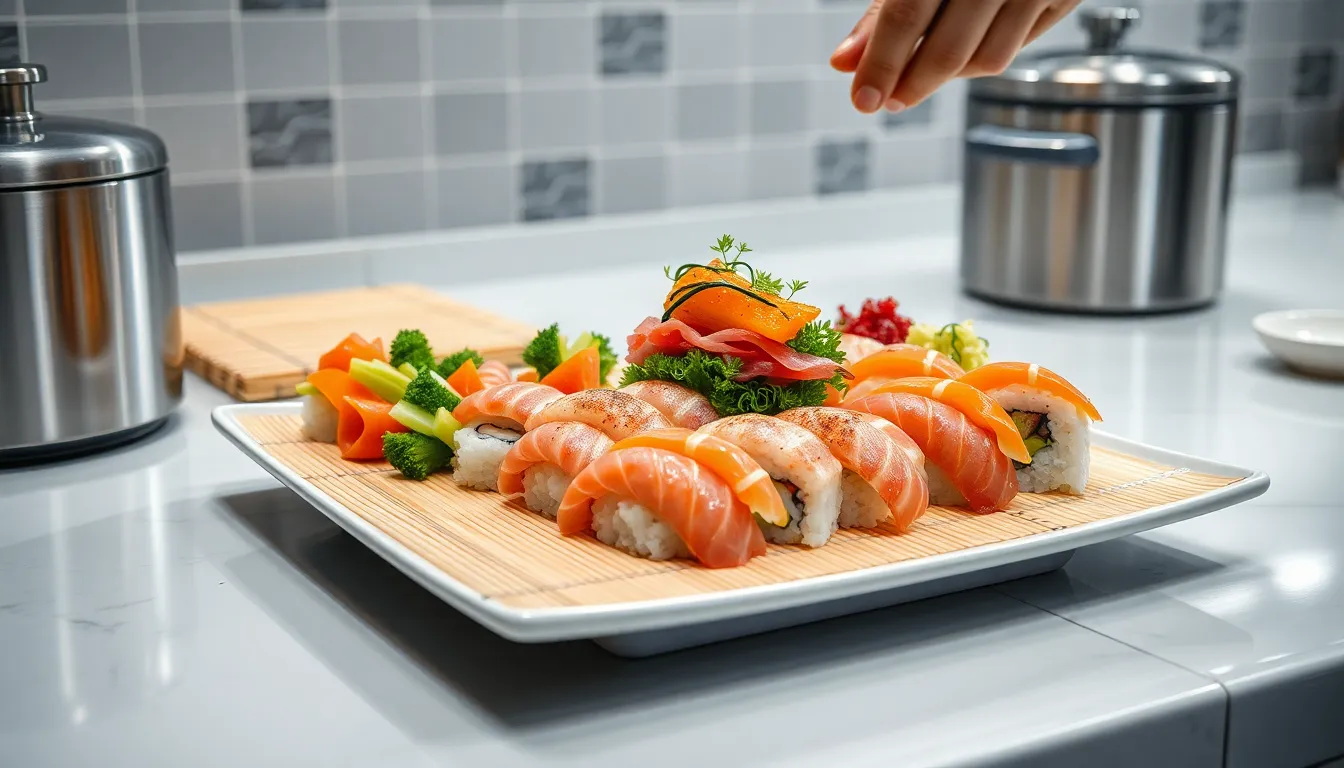
Sushi is a symbol of Japanese food culture and is loved around the world. Being able to make sushi at home allows you to share special moments with friends and family, as well as enjoy customizing it to your taste. For example, if you can create original sushi using seasonal ingredients, it also showcases your culinary skills. This guide presents a step-by-step method for beginners to easily make delicious sushi. Let’s take the first step towards enjoying authentic sushi at home. Making your own sushi doubles the joy of cooking.
Ingredients and Tools to Prepare
Making sushi requires several basic ingredients and tools. Refer to the list below to get prepared.
- Ingredients
- Sushi rice (about 2 cups)
Short-grain rice is ideal for sushi, as it is stickier and has the right texture for sushi. - Vinegar (rice vinegar is ideal)
Rice vinegar has a particularly mild acidity that adds depth to sushi rice. Using white vinegar or black vinegar will alter the flavor of the sushi, so choose according to your preference. - Sugar
Necessary to add sweetness to the sushi rice and balance the flavors. Adjust the amount of sugar to your liking. - Salt
Salt enhances the flavor of the sushi rice and elevates the overall taste. The type of salt can also change the flavor, so using sea salt or rock salt is recommended. - Nori (roasted seaweed)
Plays an important role in the appearance and flavor of sushi. Choose fresh ones and check the aroma by touching them with your hands. - Fillings (sashimi, vegetables, eggs, etc. as desired)
Fillings are diverse, and not only sashimi but also avocado, cucumber, and tamagoyaki are popular. Choosing fresh ingredients improves the quality of the sushi.
- Sushi rice (about 2 cups)
- Tools
- Rice cooker
Necessary for cooking sushi rice evenly. The results may vary depending on the type of rice cooker, so be sure to use it correctly according to the manual. - Knife
A sharp knife is needed to beautifully cut the sushi fillings. Sharpness is especially important when cutting sashimi. - Bamboo mat
An essential item for rolling sushi. Using a mat allows you to roll with even pressure, resulting in beautiful sushi. - Bowl
Needed for mixing ingredients when making sushi rice. A larger bowl makes mixing easier. - Wet wipes (to keep hands clean)
Keeping your hands clean during preparation ensures hygiene and leads to delicious sushi making.
- Rice cooker
Necessary Prerequisite Knowledge and Skill Level
No special prerequisite knowledge is required to proceed with this tutorial, but having basic cooking skills will help you progress smoothly. It is particularly beneficial to have knowledge of how to use a knife and handle ingredients. Additionally, learning about different types of sushi and combinations of fillings will enable you to create more creative sushi. For example, knowing the basic seasonings and properties of ingredients in Japanese cuisine will broaden your cooking skills. Furthermore, learning about the origins and cultural background of sushi will enhance your enjoyment of sushi making.
Step-by-Step Guide to Making Sushi
By following the steps below, even beginners can easily make sushi.
- Cook the sushi rice
First, wash the sushi rice well and cook it in a rice cooker. The amount of water is the same as for regular white rice, but using a little more will yield stickier rice.
Pro tip: When washing the rice, gently press and wash with your fingers until the water runs clear. This removes excess starch and results in delicious sushi rice that is not sticky. - Make the sushi rice
Mix vinegar, sugar, and salt into the cooked sushi rice to make sushi rice. Mixing while the rice is still warm helps the flavors meld well.
Pro tip: When mixing, use a wooden spatula or rice paddle and mix in a cutting motion to avoid crushing the rice, keeping it fluffy. - Prepare the fillings
Slice sashimi and vegetables into bite-sized pieces. It is important to use fresh ingredients.
Pro tip: Freshness is crucial, especially for sashimi. When purchasing from a fishmonger, choose fish with bright eyes and firm flesh. Also, selecting colorful vegetables will enhance the visual appeal. - Roll the sushi
Place nori on the bamboo mat, spread sushi rice thinly, and place the fillings on top. Roll it tightly to shape it.
Pro tip: Wetting your hands lightly while rolling prevents the nori from sticking, resulting in better outcomes. Additionally, leaving the roll seam-side down for a while stabilizes the shape. - Cut
Once rolled, wet the knife and cut into bite-sized pieces. A beautiful cut enhances the appearance.
Pro tip: Wetting the knife prevents the sushi from sticking, allowing for smooth cutting. Also, when cutting, avoid applying too much force at once; gently pull to cut to prevent crumbling.
Common Mistakes and Warnings for Beginners
Making sushi is fun, but there are common mistakes that beginners often make. Here are some points to be cautious about.
- Insufficient washing of rice: If rice is not washed thoroughly, excess starch remains, resulting in too much stickiness.
If washing is insufficient, sushi rice becomes sticky, making it easier for rolled sushi to fall apart. - Adding vinegar: The timing of adding vinegar is crucial. Mixing it while the rice is still hot enhances the flavor.
Adding vinegar to cooled rice may prevent the flavor from blending well, so caution is needed. - Balance of ingredients: Overloading without considering the type and amount of ingredients makes rolling difficult.
Using too many ingredients can lead to an inability to roll properly, causing the shape to collapse, so aim for an appropriate amount.
Troubleshooting
If problems occur during the process, please check the following points.
- If the rice becomes mushy: There may have been too much water. Try reducing the water next time.
Additionally, it is important not to use too much water when washing the rice. - If the rolled sushi tears: This may be due to an excess of ingredients or insufficient rolling technique. Try using a little less filling.
By using an appropriate amount of ingredients, the pressure while rolling becomes even, making it less likely to tear.
Confirming success and the next steps
Once the sushi is complete, check its appearance and taste. If it has a beautiful color and a good balance of ingredients, it’s a success. You can also add your own twist and enjoy unique sushi. As the next step, try various ingredients and styles of sushi. For example, by experimenting with different recipes like hand-rolled sushi or chirashi sushi, you can further improve your skills.
Additionally, learning about the history and culture of sushi will allow you to enjoy sushi-making with a deeper understanding.
Conclusion
Making sushi at home is an experience that goes beyond mere cooking skills. By understanding the ingredients, tools, and necessary skills, and progressing step by step, anyone can enjoy delicious sushi. Beginners can cook more smoothly by being aware of common mistakes and knowing how to handle issues when they arise. Furthermore, through sushi-making, you can discover your own style and enjoy unique variations. Now, it’s your turn. Challenge yourself with new sushi recipes and create delicious dishes that will surprise your friends and family!