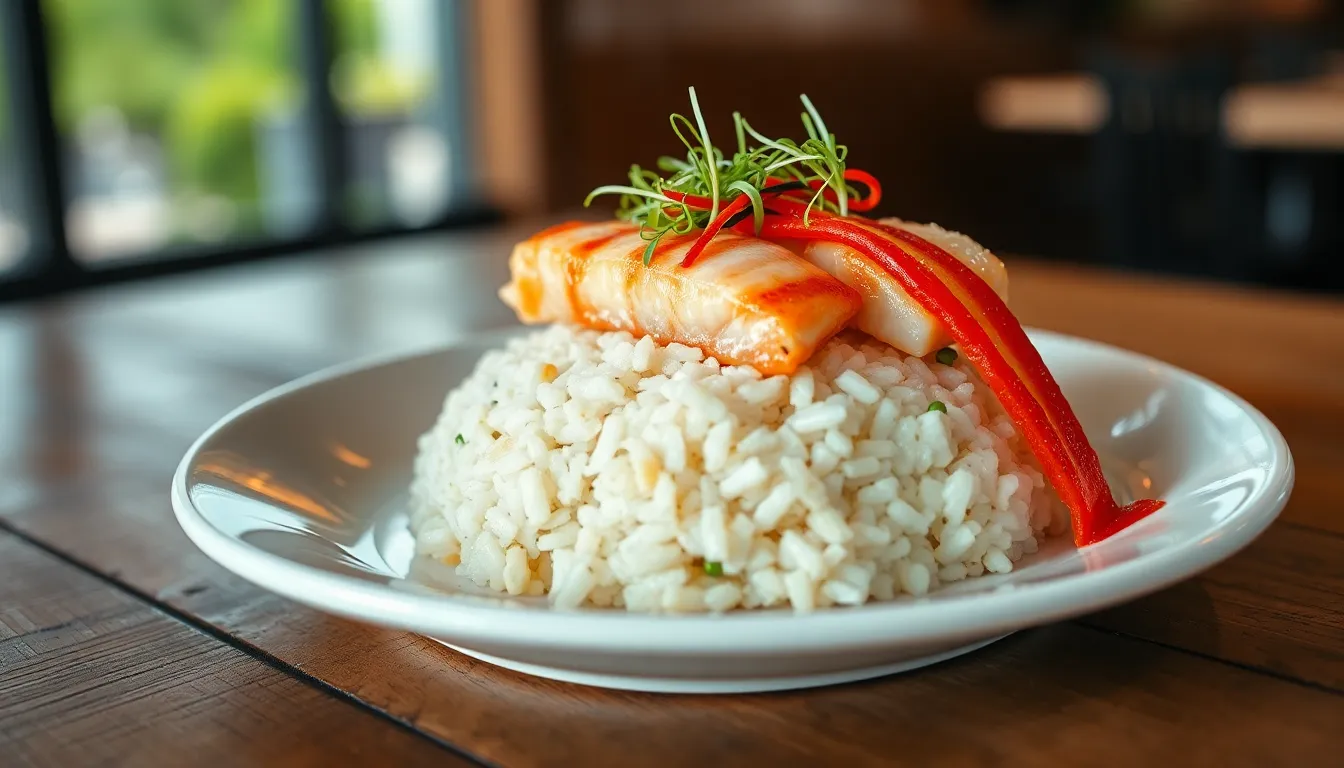
Fish cooked rice is one of the most popular dishes in Japanese home cooking. The umami of the fish seeps into the rice, creating a delightful dish that brings happiness with every bite. By using fresh seasonal fish and vegetables, the flavors become rich, resulting in a visually beautiful plate. This recipe allows you to enjoy a luxurious taste even on busy days, making meals with family and friends feel special. In this article, we will detail the recipe for fish cooked rice, sharing cooking tips, plating ideas, and recommended storage methods. Now, let’s make delicious fish cooked rice together!

List of necessary ingredients
- Rice: 2 cups
Rice is an essential ingredient that forms the basis of the dish. Choosing shiny, sticky rice significantly improves the outcome of the cooked rice. It is recommended to select high-quality rice, such as uruchimai or Niigata’s Koshihikari. - Fresh fish (such as sea bream or salmon): 200g
The fish is the star of this dish. Choosing fresh fish enhances the umami flavor. In addition to sea bream and salmon, seasonal options like horse mackerel or Pacific cod can also be delicious. When purchasing, select fish with clear eyes and firm flesh. - Dashi: 400ml (katsuobushi or kombu dashi is recommended)
Dashi serves as the flavor base for the dish. Using katsuobushi or kombu dashi brings out a deep flavor. While it is possible to use store-bought dashi powder, it is recommended to make homemade dashi whenever possible. - Soy sauce: 2 tablespoons
Soy sauce is essential for seasoning. Using dark soy sauce provides a robust flavor, while light soy sauce can create a more visually appealing dish. Choosing high-quality soy sauce enhances the overall taste. - Mirin: 1 tablespoon
Mirin is a seasoning that adds sweetness and flavor. It plays an important role in giving depth to the dish and enhancing its mildness. Using high-quality mirin results in fragrant cooked rice. - Ginger: 1 piece (sliced thinly)
Ginger not only adds aroma and flavor but also aids digestion. Slicing it thinly allows a gentle fragrance to spread throughout the cooked rice. - Green onion: 1 stalk (sliced)
Green onion is used as a final topping. It adds aroma and color, making the dish visually appealing. Choose fresh green onions with a vibrant color. - Seasonal vegetables (such as carrots, shiitake mushrooms, and snap peas): appropriate amount
Adding seasonal vegetables increases nutritional value and enhances color. Carrots and shiitake mushrooms are particularly recommended for their enjoyable texture. Incorporating seasonal vegetables allows for different flavors each time.
List of tools and equipment needed for cooking
- Rice cooker or pot
A rice cooker is convenient, but you can also achieve delicious results using a pot. If using a pot, be careful with the heat level. - Knife
Prepare a sharp knife for handling fresh ingredients. Cutting ingredients evenly ensures they cook well. - Cutting board
For hygiene reasons, it is recommended to use separate cutting boards for meat and vegetables. - Measuring cup
An essential tool for accurately measuring ingredients. Especially for dashi and seasonings, precise measurements are crucial for flavor. - Ladle
Used for mixing and serving the cooked rice. A larger ladle is more convenient. - Bowl
Necessary for washing rice and preparing ingredients. A larger bowl makes the process easier.
Preparation time, cooking time, and overall difficulty level
Preparation time is about 15 minutes, and cooking time is about 30 minutes. The overall difficulty level is “beginner,” requiring no special skills. This recipe is easy enough for beginners to follow. Having all ingredients ready in advance will help the cooking process go smoothly.
Easy-to-understand step-by-step cooking instructions for beginners
Step 1: Wash the rice
Measure 2 cups of rice using a measuring cup, place it in a bowl, and lightly wash it with water. Change the water until it runs clear, washing the rice thoroughly. This step is crucial for removing excess starch and achieving fluffy rice. After washing, be sure to drain the rice well.
Step 2: Prepare the dashi
In a pot, add 400ml of water and use kombu or katsuobushi to make dashi. Place the kombu in the water and heat it; after it boils, turn off the heat and let it sit for about 5 minutes to extract the umami. If adding katsuobushi, turn off the heat after boiling and wait for the katsuobushi to sink. The dashi prepared this way will deepen the overall flavor of the dish.
Step 3: Cut the ingredients
Cut the fish into bite-sized pieces and slice the vegetables (carrots, shiitake mushrooms, etc.) thinly. It is particularly important to cut the fish carefully to prevent it from falling apart. Slice the ginger thinly, and ensure all ingredients are cut to a uniform size for even cooking. The way you cut the ingredients can affect the appearance and texture, so take care in this step.
Step 4: Add the ingredients to the rice cooker
Place the washed rice in the rice cooker, add the dashi, soy sauce, mirin, and ginger. Then, place the cut fish and vegetables on top and lightly mix everything together. The key here is to mix lightly rather than thoroughly to ensure even cooking of all ingredients.
Step 5: Cook the rice
Turn on the rice cooker to start cooking. Once cooked, let it steam for about 10 minutes before gently mixing everything together. The steaming time is essential for achieving fluffy rice. After steaming, gently mixing ensures the umami of the ingredients permeates the rice.
Tips for success and common mistakes to avoid
A key point for success is to change the water thoroughly when washing the rice. This removes excess starch and results in fluffy rice. Also, pay attention to the freshness of the fish. Using fresh fish significantly enhances the flavor. It is important to check the freshness of the fish by looking at its eyes and smelling it when purchasing.
A common mistake is using too little dashi, which can result in a bland flavor. Always measure accurately and adhere to the appropriate amount of dashi. Additionally, selecting the correct cooking mode on the rice cooker is important, as incorrect settings can affect the cooking outcome. If you do make a mistake, you can adjust the flavor with a small amount of soy sauce or salt.
Suggestions for plating and presentation to make the dish look beautiful
When serving takikomi gohan, it’s best to use a deep bowl to showcase the colorful ingredients. By arranging the ingredients with their colors in mind, you can achieve a more beautiful presentation. Finally, sprinkling chopped green onions on top adds a nice touch of color. Additionally, serving seasonal vegetables on the side enhances the visual appeal. Another idea to add color to the dining table is to include flowers or herbs as garnishes.
Recommended storage methods and tips for deliciously utilizing leftovers.
Fish takikomi gohan can be stored in the refrigerator for about three days. If freezing, place it in a freezer bag, remove the air, and then freeze. Leftovers can be repurposed into stir-fries or risottos, allowing you to enjoy them as new dishes. In particular, lightly stir-frying the leftovers in a pan and adding eggs to create an omurice-style dish offers a different flavor experience. Additionally, adding ingredients to make a soup is also a good idea.
Recipe variations and customization options to suit your preferences.
This recipe allows for diverse variations by changing the type of fish or ingredients. For example, you can use squid or shrimp instead of white fish, or add seasonal mushrooms. This way, you can enjoy a different flavor each time, preventing boredom. Moreover, using salt or miso instead of soy sauce can also yield delicious results. Furthermore, using fatty fish like horse mackerel or mackerel is beneficial for health and increases nutritional value.
Summary and next steps.
Fish takikomi gohan is a dish that offers a simple yet profound flavor experience. By using fresh fish and seasonal vegetables and preparing it with care, you can enjoy restaurant-quality taste at home. Even beginners can easily make this recipe, allowing you to experience the joy of cooking. As the next step, be sure to try variations that suit your preferences. Incorporate new ingredients or experiment with seasonings to discover your own original recipe. Now, go ahead and make delicious fish takikomi gohan to enjoy with family and friends!