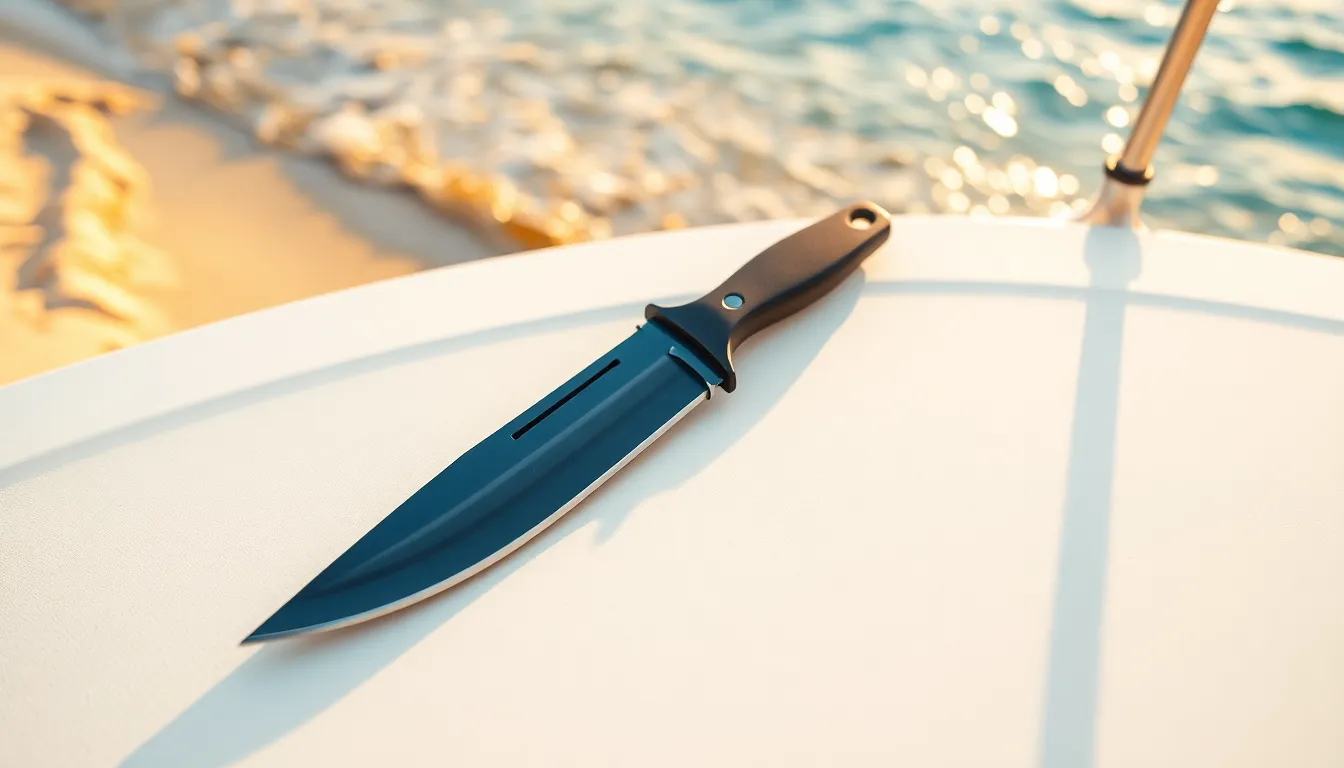
When it comes to spearfishing, having the right gear is crucial for both performance and safety. Among the essential tools for any spearfisher is the spearfishing knife. This versatile tool serves multiple purposes, from preparing your catch to ensuring your safety underwater. Understanding the various spearfishing knife types and uses is vital for making an informed decision when selecting your gear.
Whether you are a novice or a seasoned spearfisher, knowing the importance of a quality knife can enhance your overall experience. A good knife can help you efficiently handle fish, cut through line or nets in emergencies, and even serve as a tool for self-defense against underwater threats. In this guide, we will explore the different types of spearfishing knives, their uses, and essential factors to consider when selecting the right knife for your needs.
Key Factors to Consider
Choosing the right spearfishing knife involves more than just picking the most visually appealing option. Here are several key factors you should consider:
- Blade Material: The material of the blade is crucial for durability and performance. Common materials include stainless steel and titanium.
- Blade Length: The length of the blade can affect maneuverability and versatility. Consider what type of fish you’ll be targeting.
- Handle Design: A comfortable, secure grip is essential, especially when wet. Look for ergonomic designs that provide good control.
- Sheath Type: The sheath protects the blade and can influence accessibility. Options include belt sheaths, leg straps, and pocket sheaths.
- Weight: A lighter knife can be more comfortable to carry, but make sure it’s not too light that it compromises performance.
Feature Importance Hierarchy
When selecting a spearfishing knife, it’s important to prioritize features based on your specific needs. Here’s a feature priority list to help guide your decision:
- Blade Material: Always prioritize high-quality materials for durability.
- Blade Length: Choose a length that suits your typical catch size.
- Handle Comfort: Ensure the handle fits well in your hand and allows for a secure grip.
- Sheath Design: Look for a sheath that provides easy access while ensuring safety.
- Weight: Select a weight that balances comfort and functional performance.
Budget Range Guidelines
Understanding your budget is essential when selecting a spearfishing knife. Here are some budget range guidelines to consider:
- Entry-Level ($20 – $50): Suitable for beginners, these knives are typically made from stainless steel and are functional but may lack advanced features.
- Mid-Range ($50 – $100): These knives often feature better materials, ergonomic designs, and additional functionalities, making them a solid choice for regular spearfishers.
- Premium ($100 – $200+): High-quality knives made from titanium or high-grade stainless steel, often with custom designs and advanced features.
Quality Indicators to Look For
When evaluating potential knives, consider these quality indicators:
- Corrosion Resistance: A good spearfishing knife should resist rust and corrosion, particularly when exposed to saltwater.
- Blade Sharpness: Ensure the blade is sharp upon purchase, and check reviews for long-term sharpness retention.
- Warranty: A manufacturer’s warranty can indicate confidence in product quality.
- Brand Reputation: Research brands known for their quality in spearfishing gear.
Common Mistakes to Avoid
Many spearfishers make mistakes when selecting their knives. Here are some common pitfalls to avoid:
- Choosing the Wrong Size: A knife that is too large or small can be cumbersome or ineffective.
- Ignoring Blade Material: Selecting a knife based on looks rather than functionality can lead to dissatisfaction.
- Overlooking the Sheath: A poorly designed sheath can lead to injury or inconvenience.
- Neglecting Maintenance: Failing to care for your knife can result in rust and diminished performance.
Future-Proofing Considerations
When investing in a spearfishing knife, think about future needs as well. Here are some future-proofing considerations:
- Versatility: Choose a knife that can adapt to different types of spearfishing, whether you are hunting in shallow waters or deeper environments.
- Upgrade Options: Consider whether the manufacturer offers upgrades or accessories that can enhance your knife’s functionality over time.
- Resale Value: Investing in a reputable brand can maintain its value, should you choose to upgrade later.
Conclusion
Choosing the right spearfishing knife types and uses is essential for both safety and efficiency in your spearfishing endeavors. By considering key factors, prioritizing features, adhering to budget guidelines, and avoiding common mistakes, you can ensure that you select a knife that meets your needs both now and in the future. Armed with this guide, you’re well on your way to making an informed decision that enhances your spearfishing experience.