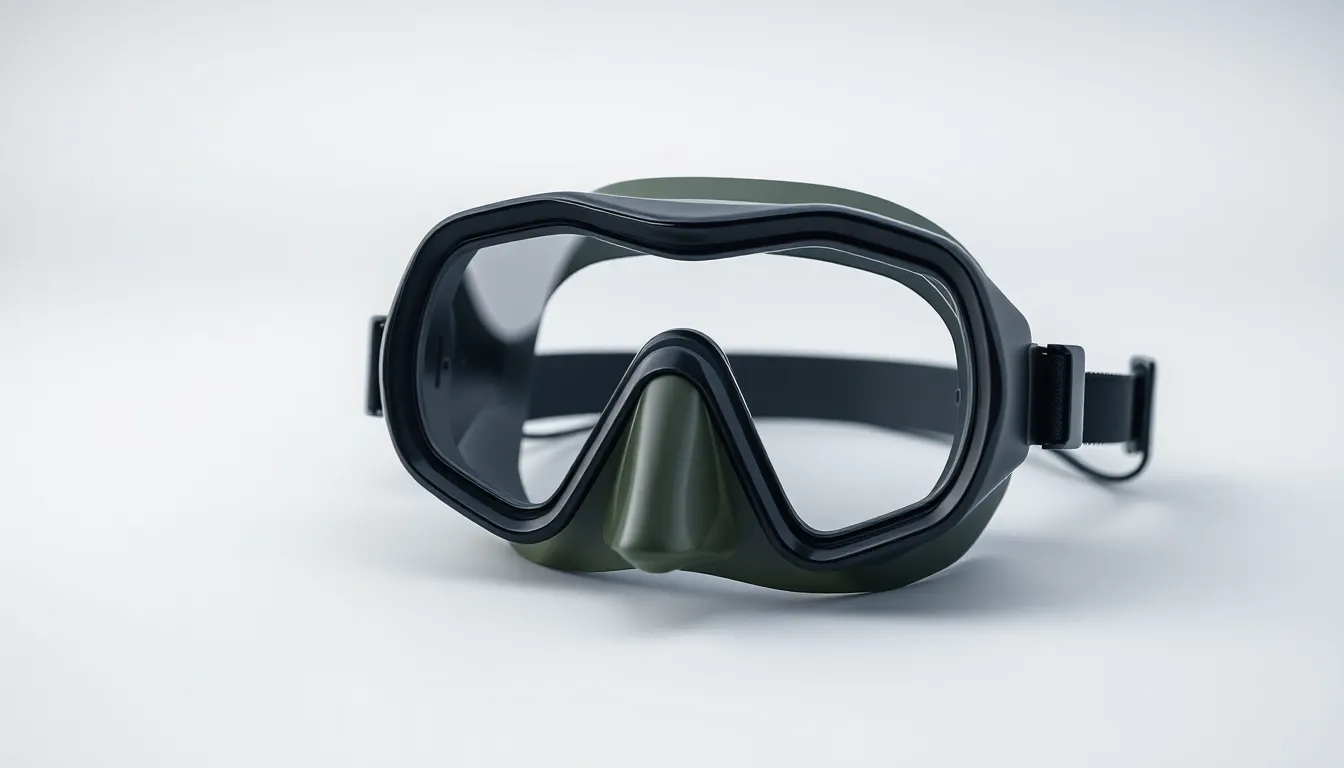
When it comes to spearfishing, the right gear can significantly impact your success and enjoyment. Among the essential pieces of equipment, a low volume mask stands out as a critical component for any spearfisher, whether you are a beginner or a seasoned pro. Understanding why low volume masks are best for spearfishing is vital for optimizing your underwater experience.
Low volume masks are designed to minimize the air space inside the mask, making them easier to clear and providing a more streamlined profile. This feature becomes particularly important when diving deep or while maneuvering through underwater currents. The reduced volume allows for quicker adjustments to pressure changes, enhancing comfort and safety during your dive.
Furthermore, low volume masks generally offer a wider field of vision, enabling you to spot fish and obstacles with ease. This visibility can make a significant difference in your hunting success. The importance of selecting the right mask cannot be overstated, as it directly affects your efficiency and enjoyment while spearfishing.
Key Factors to Consider
Choosing the right low volume mask involves considering several key factors that directly influence your underwater experience. Here are the primary aspects to evaluate:
- Fit: The mask should fit snugly against your face without causing discomfort. A proper fit prevents leaks and ensures that you can dive confidently.
- Field of Vision: Look for masks that offer a wide field of vision. The design and shape of the lenses play a crucial role in this aspect.
- Volume: Ensure that the mask has low internal volume, which facilitates easier clearing and reduces the effort needed when adjusting to changes in pressure.
- Material: The type of silicone used for the skirt can affect comfort and durability. High-quality silicone is more flexible and creates a better seal.
- Lens Type: Consider whether you prefer tempered glass, which is more resistant to scratches and impacts, or other materials based on your budget and preference.
Feature Importance Hierarchy
Understanding which features are most important can help streamline your decision-making process. Here’s a prioritized list of features to consider when selecting a low volume mask for spearfishing:
- Fit and Seal: The most critical factor. A mask that doesn’t fit well will leak and detract from your experience.
- Field of Vision: A wide field of vision is essential for spotting fish and navigating underwater.
- Low Volume: This feature aids in pressure equalization and clearing, making it easier to dive deeper.
- Comfort: A comfortable mask allows for longer dives without causing discomfort.
- Durability: Consider masks made from high-quality materials that can withstand the rigors of regular use.
Budget Range Guidelines
The price of low volume masks can vary significantly based on brand, materials, and features. Here’s a general budget guideline to help you choose:
- Entry-Level ($30 – $75): These masks provide basic features and are suitable for beginners or infrequent spearfishers. Look for reputable brands that offer a good fit and decent visibility.
- Mid-Range ($75 – $150): Masks in this range often have better materials, improved field of vision, and enhanced comfort. Ideal for regular spearfishers who want reliable performance.
- Premium ($150 and above): High-end masks offer exceptional features such as advanced materials, superior fit, and specialized designs. Perfect for serious spearfishers who prioritize performance and comfort.
Quality Indicators to Look For
When evaluating different low volume masks, consider these quality indicators to ensure you make a wise investment:
- Brand Reputation: Research brands known for their quality in the spearfishing community. Well-established brands often have a history of durability and performance.
- Customer Reviews: Look for feedback from other users, especially regarding fit, comfort, and visibility. Real-world experiences can provide valuable insights.
- Warranty: A mask that comes with a warranty is often a sign of the manufacturer’s confidence in their product. It also provides peace of mind for your purchase.
- Materials Used: Check for high-grade silicone and tempered glass lenses, which are indicators of a quality mask that will last longer and perform better.
Common Mistakes to Avoid
When selecting a low volume mask for spearfishing, avoid these common pitfalls that can lead to dissatisfaction:
- Ignoring Fit: Always try on a mask before purchasing, as a poor fit can ruin your dive experience.
- Overlooking Visibility: Do not compromise on field of vision; a narrow view can hinder your ability to spot fish or navigate effectively.
- Choosing Based on Price Alone: While budget is important, focusing solely on price can lead to buying a low-quality product that doesn’t meet your needs.
- Neglecting Maintenance: Failing to care for your mask can lead to scratches and reduced visibility over time. Regular cleaning and proper storage are essential.
Future-Proofing Considerations
As you invest in a low volume mask, consider how to future-proof your purchase for long-term use:
- Versatility: Choose a mask that can be used for various water activities, including snorkeling and freediving, in addition to spearfishing.
- Adjustability: Look for masks with adjustable straps and features that allow for a customized fit as your experience and preferences evolve.
- Repairability: Consider masks that can be easily repaired or have replaceable parts, which can extend the product’s lifespan.
- Trends and Technologies: Stay informed about new technologies or materials that enhance performance, as advancements can improve your diving experience significantly.
Conclusion
Low volume masks are an essential investment for anyone serious about spearfishing. By understanding the factors that contribute to a successful mask choice, such as fit, visibility, and material quality, you can enhance your underwater experience. Avoid common pitfalls and focus on future-proofing your gear to ensure you can enjoy many successful dives. Armed with the right information and considerations, you’ll be well on your way to mastering the art of spearfishing.