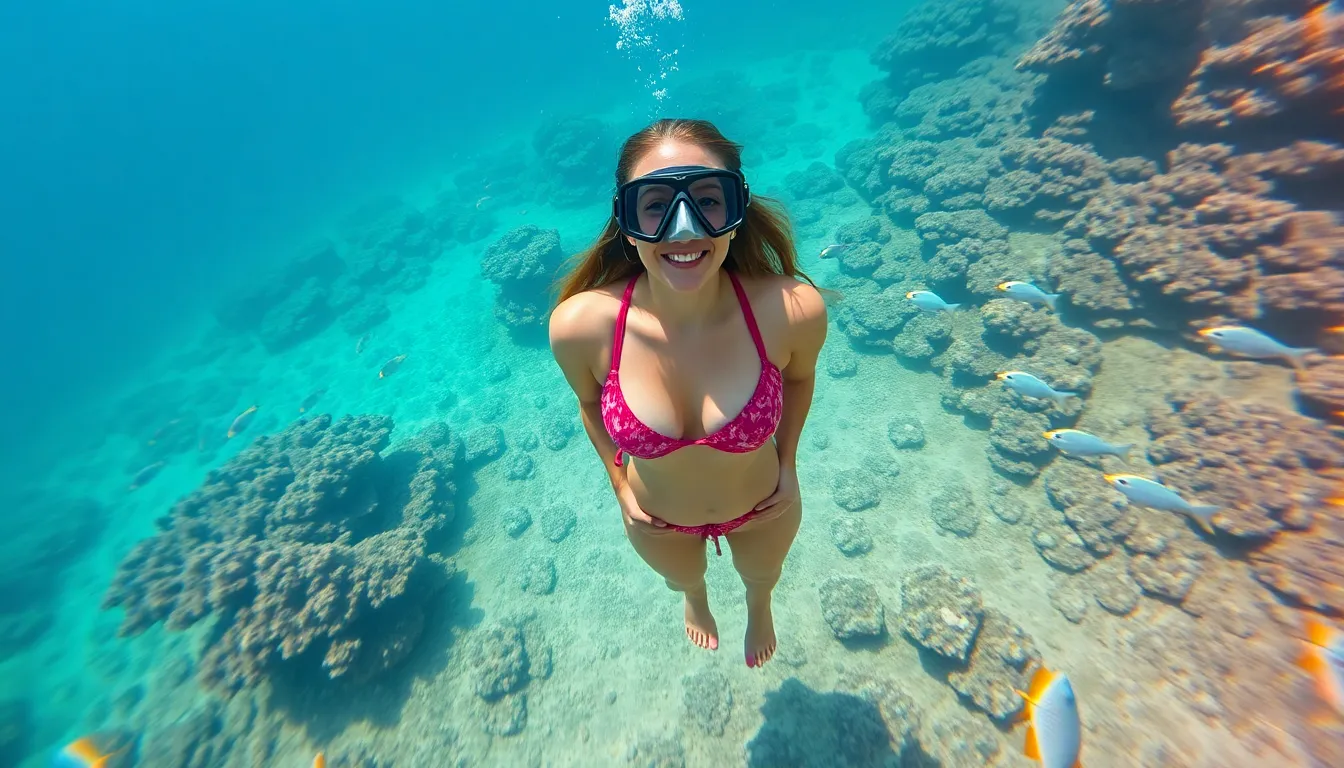
Splenic contraction plays a vital role in enhancing the spearfishing experience. This physiological response allows the body to efficiently manage oxygen levels, enabling spearfishers to dive deeper and stay submerged for longer periods. Understanding how splenic contraction works can significantly improve your hunting capabilities, leading to greater success in underwater environments.
When spearfishing, the ability to hold your breath effectively is crucial. The contraction of the spleen releases stored red blood cells into the bloodstream, increasing oxygen availability. This mechanism is particularly beneficial during extended dives, making it an essential technique for both beginners and seasoned spearfishers alike.
Prerequisites: Breath-Hold and Swimming Skills
Before attempting to harness the benefits of splenic contraction during spearfishing, you need to develop strong breath-hold and swimming skills. These prerequisites ensure that you can safely explore underwater environments and fully utilize the physiological advantages provided by splenic contraction.
Breath-Hold Techniques
Effective breath-holding is a skill that can be developed through practice. Start with the following techniques:
- Diaphragmatic Breathing: Focus on deep belly breathing to maximize lung capacity.
- CO2 Tolerance Training: Gradually increase the duration of your breath-holds to improve your body’s tolerance to carbon dioxide.
- Static Apnea: Practice holding your breath while stationary to build confidence and control.
Swimming Skills
Proficient swimming skills are essential for maneuvering underwater. Concentrate on:
- Efficient Finning Techniques: Use long, powerful strokes to conserve energy.
- Streamlined Body Position: Maintain a streamlined posture to reduce drag while swimming.
- Navigation Skills: Familiarize yourself with underwater navigation to enhance your hunting efficiency.
Detailed Execution Breakdown with Underwater Considerations
Executing splenic contraction while spearfishing requires careful attention to technique and environmental factors. Here’s a step-by-step breakdown:
Step 1: Pre-Dive Preparation
Before diving, ensure you are relaxed. Perform diaphragmatic breathing to oxygenate your body fully. Engage in a brief warm-up to prepare your muscles.
Step 2: Entering the Water
Enter the water calmly to minimize splashing. This approach maintains a low profile, reducing the chances of scaring away fish.
Step 3: Descending
As you descend, focus on equalizing your ears to prevent discomfort. Use slow, controlled movements to conserve energy and maintain your breath-hold.
Step 4: Initiating Splenic Contraction
Once you reach your desired depth, initiate splenic contraction by performing a series of deep and rapid breaths. This technique will help release red blood cells into your bloodstream, enhancing oxygen delivery to your muscles.
Step 5: Hunting
While hunting, maintain a steady pace and stay aware of your surroundings. Utilize your increased oxygen capacity to stay underwater longer, increasing your chances of encountering fish.
Step 6: Ascending
When it’s time to surface, ascend slowly to avoid decompression sickness. Continue to equalize your ears as you rise.
Common Errors Specific to Underwater Hunting
Even experienced spearfishers can make mistakes that hinder their performance. Here are some common errors to watch out for:
- Panic During Breath-Holding: Maintain composure to avoid rapid oxygen depletion.
- Improper Equalization: Failing to equalize can lead to ear pain and limit your diving capabilities.
- Overexertion: Avoid using excessive energy while swimming; instead, focus on efficient movements.
- Inadequate Pre-Dive Preparation: Neglecting warm-ups or breath exercises can affect your performance.
Advanced Variations for Different Conditions
As you become more proficient in utilizing splenic contraction, consider these advanced variations to adapt to different underwater conditions:
1. Deep Diving
For deeper dives, focus on longer breath-holds and increased splenic contraction through additional pre-dive breathing exercises. This approach allows for greater oxygen retention and endurance.
2. Strong Currents
In turbulent waters, adjust your swimming technique to use the current to your advantage. Position yourself at an angle to the current to conserve energy while still maintaining control over your movements.
3. Night Spearfishing
When spearfishing at night, increase your awareness of sound and movement. Utilize a dive light to attract fish but be cautious of your own visibility.
Practice Drills for Pool and Open Water
To master splenic contraction, consistent practice is essential. Here are some drills you can implement:
Pool Drills
- Static Apnea Holds: Hold your breath while floating on the surface to build confidence.
- Dynamic Apnea: Swim laps underwater while holding your breath to improve endurance.
- Controlled Breathing Exercises: Practice various breathing patterns to enhance lung capacity.
Open Water Drills
- Depth Progression: Gradually increase your diving depth while practicing splenic contraction techniques.
- Fish Identification Drills: Spend time underwater observing fish behavior to improve your hunting strategy.
- Current Navigation: Practice swimming against currents to develop strength and technique.
Performance Metrics and Breath-Hold Integration
To evaluate your progress in mastering splenic contraction, track your performance metrics. Key indicators include:
- Maximum Breath-Hold Time: Record your longest breath-hold to monitor improvements.
- Dive Depth: Measure the maximum depth you can comfortably reach while spearfishing.
- Fish Caught: Keep a log of the species and quantity of fish captured during each session.
Safety Protocols and Emergency Procedures
Safety should always be your top priority while spearfishing. Implement these protocols:
- Dive with a Buddy: Never spearfish alone; always have a partner to assist in case of emergencies.
- Establish Hand Signals: Use clear hand signals to communicate with your dive partner.
- Know Your Limits: Avoid pushing your body beyond its capabilities to prevent blackouts or injuries.
- Emergency Surface Protocol: If you experience distress, surface calmly and call for help if needed.
By following these guidelines and practicing regularly, you can unlock the full benefits of splenic contraction in spearfishing, enhancing your skills and overall enjoyment of the sport.