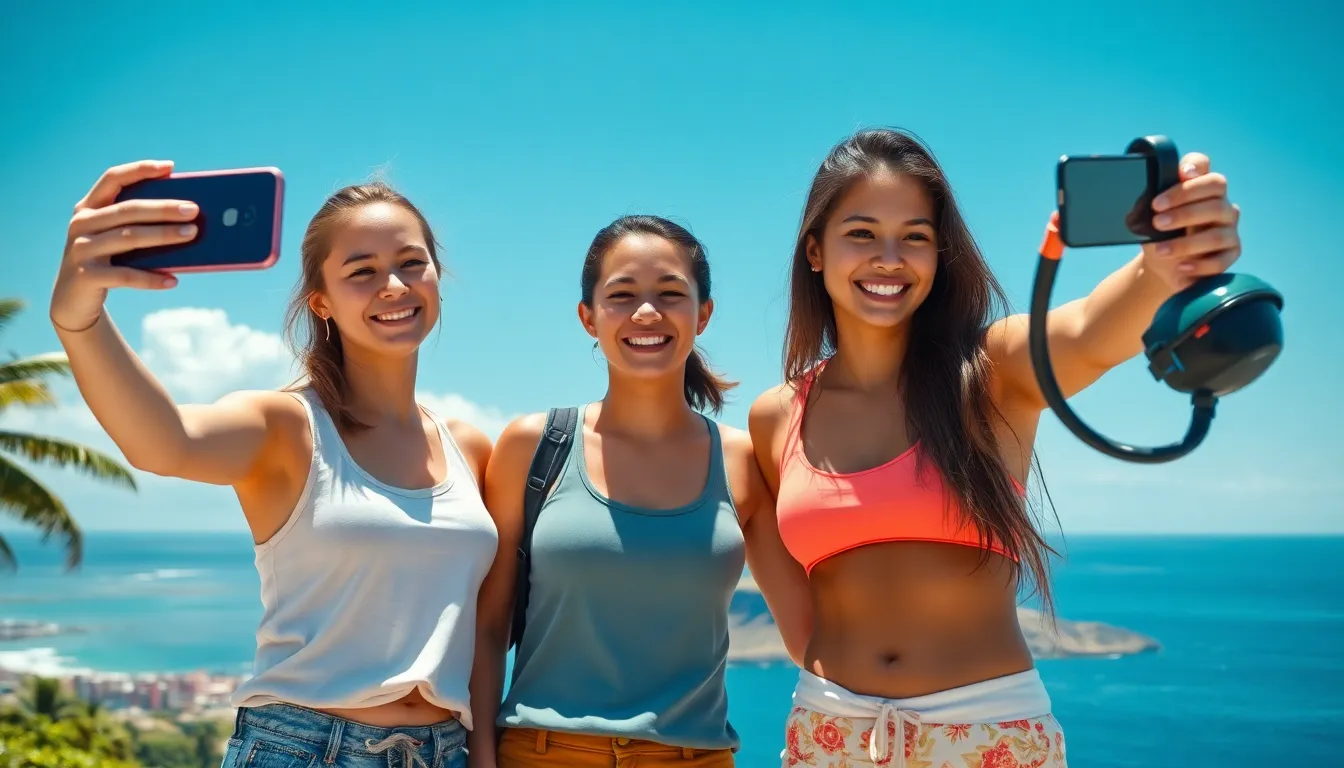
Hawaii is renowned globally for its stunning natural beauty, vibrant marine life, and exceptional spearfishing opportunities. With its warm waters and diverse underwater ecosystems, Hawaii offers spearfishing enthusiasts an unparalleled experience, whether they are beginners or seasoned hunters. The archipelago boasts a variety of fish species, beautiful reefs, and clear visibility, making it a prime destination for spearfishing. Each of the main Hawaiian islands—Hawaii (Big Island), Maui, Oahu, and Kauai—has its unique spearfishing highlights, from the lush coral gardens to the deep blue waters teeming with fish.
Spearfishing Highlights
- Clear Waters: The visibility often exceeds 100 feet, providing an excellent opportunity to spot fish from a distance.
- Diverse Marine Life: From reef fish to pelagics, Hawaii’s waters are home to a variety of species, including ulua (giant trevally), kumu (goatfish), and ono (wahoo).
- Unique Ecosystems: The Hawaiian Islands feature an array of underwater habitats, such as coral reefs, lava formations, and drop-offs.
- Year-Round Opportunities: With warm waters and a diverse range of species, spearfishing can be enjoyed throughout the year.
Best Seasons and Optimal Conditions
Understanding the seasonal variations in Hawaii is crucial for successful spearfishing. The weather, water temperature, and fish behavior change with the seasons, affecting your chances of a good catch.
Optimal Conditions
The best times for spearfishing in Hawaii generally fall between late spring and early fall (May to September). During this period, the water is warmer, and the fish are more active. However, different islands may present unique conditions.
Seasonal Breakdown
- Winter (December – February): Cooler waters (60°F – 70°F) and rough seas. Good for targeting larger pelagics like marlin and ono.
- Spring (March – May): Waters begin to warm (70°F – 75°F). Great for reef fish such as parrotfish and goatfish.
- Summer (June – August): Warmest waters (75°F – 80°F) and calm conditions. Ideal for a wide variety of fish, including yellowfin tuna and snapper.
- Fall (September – November): Water temperatures start to drop. Good for ulua and other reef fish as they prepare for winter.
Target Species Available by Season
Each season brings its own set of target species that spearfishers can pursue. Familiarizing yourself with these species will enhance your chances of success during your trip.
Seasonal Species Calendar
| Season | Species |
|---|---|
| Winter | Marlin, Ono, Mahi Mahi |
| Spring | Goatfish, Snapper, Parrotfish |
| Summer | Yellowfin Tuna, Trevally, Triggerfish |
| Fall | Ulua, Grouper, Mackerel |
Local Regulations, Licenses, and Restrictions
Before embarking on your spearfishing adventure in Hawaii, it is essential to familiarize yourself with local regulations and licensing requirements to ensure a responsible and legal experience.
Regulation Requirements Table
| Requirement | Description |
|---|---|
| Fishing License | A valid fishing license is required for spearfishing in Hawaii. |
| Size and Bag Limits | Specific size and bag limits apply to different species; check local regulations. |
| Protected Species | Some species, like certain types of sharks and turtles, are protected and cannot be harvested. |
| Restricted Areas | Certain marine protected areas (MPAs) may have restrictions on spearfishing. |
Accommodation Options for Spearfishers
Finding the right place to stay is crucial for a successful spearfishing trip in Hawaii. Various accommodations cater to different budgets and preferences, from luxury resorts to budget-friendly hostels.
Recommended Accommodations
- Luxury Resorts: Opt for beachfront resorts on Maui or Oahu for a premium experience.
- Vacation Rentals: Consider renting a condo or home near popular dive spots for convenience.
- Hostels: Budget-friendly hostels are available for solo travelers or backpackers.
- Camping: Some remote areas allow camping, providing a unique experience close to nature.
Local Dive Services and Gear Rental
Whether you are a seasoned spearfisher or just starting, local dive services can provide essential equipment and guidance. Renting gear is often more convenient than transporting your own.
Top Dive Services
- Hawaii Spearfishing Supply: Offers a wide range of rental gear and expert advice for beginners.
- Island Divers Hawaii: Provides guided spearfishing tours and equipment rentals.
- Blue Water Hunters: Specializes in pelagic fish hunting and offers tailored charters.
Experienced Guides and Charter Services
Hiring an experienced guide can enhance your spearfishing experience considerably. They are familiar with local spots, seasonal patterns, and safety protocols.
Top Charter Services
- Hawaiian Spearfishing Charters: Focuses on personalized experiences for all skill levels.
- Underwater Safari: Offers private charters with experienced guides for a unique adventure.
- Pacific Blue Charters: Specializes in deep-sea fishing and spearfishing expeditions.
Travel Logistics and Gear Transport Tips
Transporting your gear to Hawaii can be challenging. Here are some tips to ensure a smooth travel experience.
Gear Transport Guidelines
- Check Airline Policies: Confirm the specific requirements and fees for transporting spearfishing gear with your airline.
- Use Protective Cases: Invest in sturdy, padded cases to protect your equipment during transit.
- Consider Renting: If possible, rent equipment locally to avoid transport hassles.
Safety Considerations and Emergency Contacts
Safety should always be a top priority when spearfishing. Familiarize yourself with local safety protocols and emergency contacts to ensure a safe experience.
Local Safety Protocols
- Buddy System: Always dive with a buddy for safety and assistance.
- Stay Aware of Conditions: Monitor weather and sea conditions, and avoid diving during rough weather.
- Emergency Signaling: Carry a whistle or signaling device to alert your buddy or rescuers if needed.
Emergency Contact Listings
- Emergency Services: Dial 911 for immediate assistance.
- Coast Guard: Contact the U.S. Coast Guard at 1-800-368-5647 for maritime emergencies.
- Local Dive Shops: Keep a list of local dive shops and guides who can assist in emergencies.