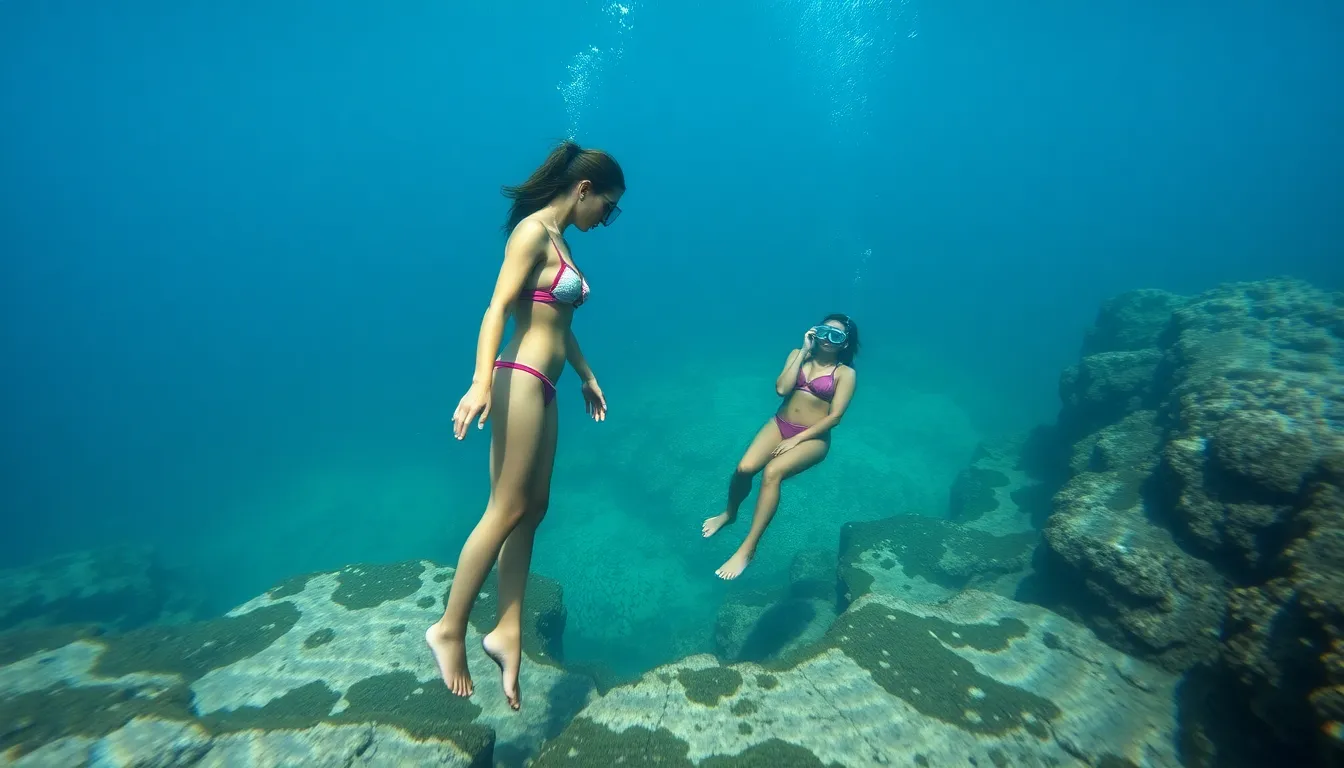
Thewater temperature on the Costa Brava in winteris not just a technical detail for underwater fishing enthusiasts; it is a key factor that can determine the success or failure of a fishing trip. Did you know that marine species change their habits and feeding patterns based on water temperature? With knowledge of seasonal patterns, fishermen can plan their outings more effectively, thereby optimizing their experience. In winter, when water temperatures drop, it is essential to understand how these conditions influence not only the availability of species but also the fishing techniques that should be employed. This article will explore in depth the winter conditions of the Costa Brava, providing practical tips for successful underwater fishing during this season.
Identifying the optimal moment according to the season
Underwater fishing on the Costa Brava in winter can be a very rewarding experience, but only if you know the right times to go hunting. Water temperatures during winter typically range between13°C and 15°C. This variability can influence the availability of species and their activity. Therefore, it is essential to plan outings considering these parameters, as well as the weather conditions. Experienced fishermen recommend monitoring water conditions and weather forecasts to determine the most optimal times for fishing.
Best hours of the day
The early hours of the morning and the late afternoon are the most productive for underwater fishing. During these hours, fish are more active, seeking food before darkness and after sunlight. This increased activity is due to the natural behavior of fish, which tend to feed during times of lower light. Fishermen can take advantage of this activity by scheduling their outings during these key moments. A good tip is to observe the behavior of the sea and the fish during these hours to adjust fishing techniques to their feeding needs and behaviors.
What changes and varies according to the time period
During winter, water quality and weather conditions can vary significantly. Rain, wind, and storms can influence water temperature as well as its visibility. Rain can increase water turbidity, making visibility difficult, while storms can create strong currents that affect fish location. Therefore, it is essential to stay informed about weather forecasts and changes in marine conditions. Fishermen should consider tracking weather conditions through specialized apps that provide real-time information about water temperature and maritime conditions.
Temperature variability
Water temperature can fluctuate based on location and depth. Wind-sheltered areas tend to have more stable temperatures, while more exposed areas can experience sharper changes. For example, coves and sheltered corners usually maintain a more constant temperature, which can be advantageous when hunting species that seek refuge during the colder months. Additionally, the depth of the dive also influences; as you go deeper, the temperature can decrease significantly, so it is important to adjust techniques and equipment to the specific conditions of each area.
Seasonal preparation requirements
Preparing for underwater fishing in winter requires special attention to equipment and planning. Water temperature affects both clothing and accessories that we will use. Good equipment not only ensures our safety but can also enhance our effectiveness during fishing. Therefore, it is advisable to invest in quality materials that are suitable for winter conditions.
Necessary equipment
- Wetsuit: A wetsuit of 5 to 7 mm is recommended to maintain body temperature. A thicker wetsuit may be necessary for prolonged dives, as it helps insulate the body from cold water temperatures. Additionally, it is important that the wetsuit fits properly to avoid heat loss, as well as to allow adequate freedom of movement during fishing.
- Mask and snorkel: Ensure that your vision gear is compatible with winter conditions. A mask that offers good visibility and fits well is essential. Masks with anti-fog lenses can be useful to prevent fogging during dives. An appropriate snorkel is also fundamental, as it should allow comfortable breathing and be designed to withstand sea conditions during winter.
- Weights: Adjust weights for proper buoyancy in colder waters. Buoyancy is crucial for underwater fishing, as it can directly influence your ability to control the dive. Moreover, if the water is colder, you may need more weight to compensate for the buoyancy of the wetsuit, so it is advisable to test before outings to ensure that the equipment works correctly.
Necessary equipment or focus adjustments
Adapting fishing techniques to winter conditions is crucial. Water temperature on the Costa Brava in winter can limit fish activity, so strategy adjustments are needed. Fishermen must be flexible and willing to try different approaches until they find what works best under current conditions. This may include changes in equipment or in the way of operating.
Hunting techniques
In cold conditions, it is advisable to use quieter and slower techniques. Fish tend to be more cautious in winter, so avoiding large movements can increase the chances of capturing shyer species. An effective technique is slow diving, which allows for better observation of the environment and detection of fish. Additionally, using more discreet approaches can help avoid scaring potential catches. Considering the use of equipment that reduces noise, such as fins designed for underwater fishing, can be a great help. Camouflage is also important; using a wetsuit in colors that blend with the environment can improve capture chances.
Specific safety considerations for each season
Safety is paramount during underwater fishing, and it is especially important in winter. Cold temperatures can affect our physical ability and our reaction to emergency situations. The danger of hypothermia is real, and it is essential to be proactive in our preparation to ensure safe conditions during dives. Additionally, it is vital to be alert to warning signs that may indicate that conditions are too dangerous to continue.
Safety tips
- Companions: It is always advisable to hunt with a buddy. Do not go out alone. Having a companion not only increases safety but can also enhance the fishing experience, as you can share knowledge and techniques. Moreover, in case of an emergency, having someone to rely on can be vital for personal safety.
- Equipment checks: Check the condition of your equipment before each outing. This includes inspecting the mask, snorkel, wetsuit, and weights. Ensure there are no water leaks and that everything is in good condition. Damaged equipment can be dangerous, especially in cold conditions, where the body’s response capability may be compromised.
- Dive time: Limit your time underwater to avoid hypothermia. Knowing your limits is essential; if you start to feel cold, it’s time to come up. Experts recommend making short and frequent dives, with breaks at the surface to warm up and regain body heat.
Planning calendars and scheduling tips
A good planning calendar is essential to make the most of fishing opportunities during winter. By knowing the periods of greatest fish activity, you can better schedule your outings. Water conditions, combined with the weather, can influence fishing opportunities, so it is advisable to maintain a calendar that includes key dates and water conditions for each outing.
Winter fishing calendar
Consider the following key dates:
- January: Moderate activity, with fish being more cautious. Low temperatures may cause species to hide in shelters, so it is a good time to explore less frequented areas.
- February: Improvement in conditions, with an increase in fish activity. Temperatures begin to stabilize, and it is an ideal time for fishing various species that start to emerge from their shelters.
- March: End of winter, preparing for spring. Temperatures begin to rise significantly, and it is an excellent opportunity to take advantage of the last weeks of winter before species begin to migrate or change their behavior.
Seasonal opportunities and limitations
In winter, there are both opportunities and limitations. The water temperature on the Costa Brava in winter offers a unique experience, but the challenges must be taken into account. It is important for fishermen to adjust their expectations and plans according to water conditions and the species available at any given time.
Opportunities
Some species are more accessible during winter. For example, bass and pike can be found closer to the coast as they seek sheltered areas from the cold. Additionally, the less crowded waters during this season can provide a more tranquil environment for fishing, allowing anglers to enjoy a more relaxed and less stressful experience. The water conditions, although cold, can offer surprising visibility, enabling fishermen to better observe fish behavior.
Limitations
Low temperatures can limit dive time and fish activity. Fish are less active in extremely low temperatures, and anglers must be patient and prepared for longer wait times between catches. Moreover, adverse weather can make accessing the best fishing spots difficult. Strong waves or unfavorable weather conditions can render some areas inaccessible or dangerous. Therefore, staying updated on weather conditions is essential to avoid unpleasant surprises and ensure a safe and enjoyable fishing experience.
Conclusion: Final tips for successful winter fishing
In summary, underwater fishing on the Costa Brava during winter presents both opportunities and challenges. Understanding water conditions, adjusting fishing techniques, and properly preparing equipment are key to success. Remember that safety should always be a priority, especially when temperatures drop. Take advantage of the best hours of the day to maximize your opportunities and keep a fishing log to track conditions and fish activity. Finally, don’t forget that patience and perseverance are fundamental; underwater fishing is as much about the experience as it is about the catch. Prepare well, be flexible, and enjoy the wonders that the Costa Brava has to offer, even in winter.