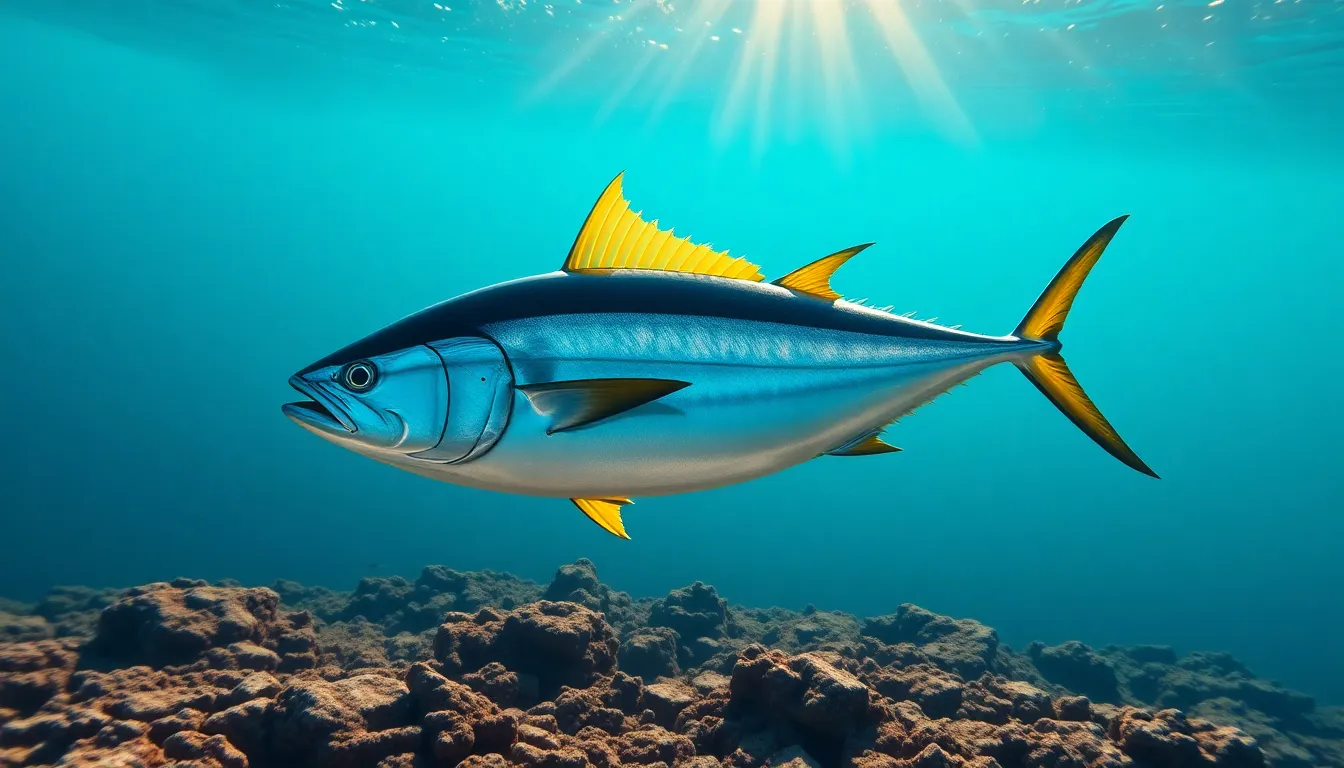
The Atlantic Bluefin Tuna, scientifically known as Thunnus thynnus, belongs to the family Scombridae, which encompasses various species of mackerel and tuna. This species is commonly referred to by several names across different regions, including:
- Giant Bluefin Tuna
- Common Bluefin Tuna
- Atlantic Bluefin Tuna
- Thunnus
Understanding its taxonomy is essential for identifying the species correctly and ensuring compliance with fishing regulations.
Physical Description and Identification Markers
The Atlantic Bluefin Tuna is one of the largest species of tuna, characterized by its streamlined body and powerful musculature. Key identifying features include:
- Coloration: The dorsal side is a dark blue to black, while the ventral side is silvery-white. This coloration helps in camouflage against predators.
- Fins: It possesses distinctive yellow fins, which are particularly prominent in larger specimens.
- Body Shape: The body is torpedo-shaped, aiding in speed and agility in the water.
When identifying Atlantic Bluefin Tuna, look for these physical markers, as they help distinguish it from similar species such as the Yellowfin Tuna (Thunnus albacares) and the Bigeye Tuna (Thunnus obesus).
Size Ranges and Record Specimens
The Atlantic Bluefin Tuna is renowned for its impressive size. Adult specimens typically reach lengths of:
- Standard Size: 6 to 10 feet
- Record Size: Up to 15 feet and weighing over 1,500 pounds
One of the largest recorded Atlantic Bluefin Tuna was caught in 1979 off the coast of Nova Scotia, weighing an astonishing 1,496 pounds. Such record specimens are rare and represent the pinnacle of spearfishing challenges.
Habitat Distribution and Depth Ranges
The Atlantic Bluefin Tuna is found in the North Atlantic Ocean, from the Gulf of Mexico to the Mediterranean Sea. Its habitat distribution includes:
- Coastal Areas: Prefers continental shelf regions.
- Open Ocean: Known to travel across vast distances in search of prey.
Depth ranges vary significantly, typically residing at depths of:
- Shallow Waters: 20 to 100 meters during feeding.
- Deep Waters: Can dive to depths of over 500 meters.
Understanding their habitat is crucial for effective spearfishing, as these fish often congregate in specific areas based on food availability.
Seasonal Behavior and Migration Patterns
Atlantic Bluefin Tuna exhibit complex seasonal behaviors and migration patterns that are largely influenced by water temperature and spawning cycles. Key points include:
- Migration: They migrate from the Gulf of Mexico to the North Atlantic in spring and return in fall.
- Spawning: Spawning occurs primarily in warmer waters, particularly in the Gulf of Mexico and Mediterranean Sea, between April and July.
- Feeding Behavior: During summer months, they are more active near the surface, making them easier to target for spearfishing.
Monitoring these migration patterns can significantly enhance your chances of a successful hunt.
Spearfishing Difficulty Level and Techniques
Spearfishing for Atlantic Bluefin Tuna is considered to be a high-difficulty endeavor due to their size, speed, and strength. Difficulty ratings for various techniques include:
- Freediving: Difficulty Level: High – Requires advanced skills and breath-hold capacity.
- Scuba Diving: Difficulty Level: Medium – Allows for longer bottom times, but may scare fish.
Recommended techniques for successful spearfishing include:
- Chumming: Attracts tuna to your location.
- Spotting: Use clear visibility and calm waters for spotting.
- Patience: Tuna can be elusive; patience is key.
Best Hunting Methods and Gear Recommendations
To effectively hunt Atlantic Bluefin Tuna, utilizing the appropriate gear and hunting methods is crucial. Recommended gear includes:
- Speargun: A robust speargun capable of handling large fish.
- Diving Suit: A thicker wetsuit to protect against cold waters.
- Float Line: Essential for retrieving the fish once speared.
Hunting methods should be tailored to the conditions and the behavior of the tuna, with an emphasis on stealth and accuracy.
Culinary Applications and Preparation Methods
Atlantic Bluefin Tuna is not only a prized catch for spearfishers but also a delicacy in culinary circles. Popular culinary applications include:
- Sashimi: Fresh, raw tuna sliced thinly.
- Grilling: Steaks grilled to perfection; best served medium-rare.
- Smoking: Adds a unique flavor profile to the fish.
Preparation methods vary based on cultural preferences, but the freshness of the catch is paramount for the best culinary experience.
Regulatory Status and Size Limits by Region
Understanding the regulatory status of Atlantic Bluefin Tuna is essential for sustainable fishing practices. Key regulations include:
- Size Limits: Vary by region; generally, fish must be over 27 inches to be harvested.
- Quotas: Many countries have strict quotas to prevent overfishing.
- Licensing: Spearfishers often require a specific license to catch bluefin tuna.
Always check local regulations before embarking on a spearfishing venture to ensure compliance and sustainability.
Conservation Status and Sustainability Notes
The conservation status of Atlantic Bluefin Tuna is a significant concern, as overfishing has led to population declines. Current sustainability notes include:
- Overfishing Alerts: The International Union for Conservation of Nature (IUCN) lists them as endangered.
- Sustainable Practices: Promote catch-and-release practices and adhere to size limits.
- Community Involvement: Engage with local conservation efforts to protect tuna populations.
As responsible spearfishers, it is our duty to ensure the longevity of this magnificent species for future generations.