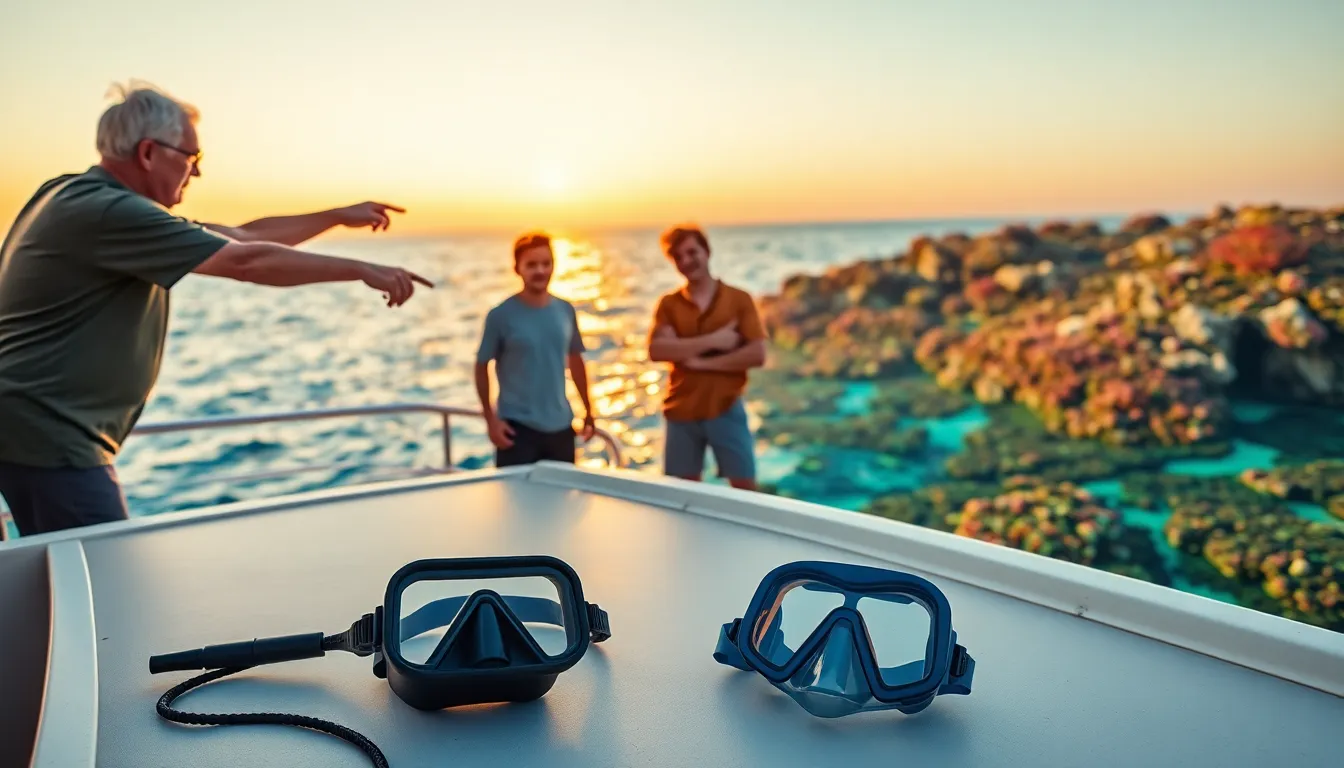
Hook: Why This Topic Matters
Have you ever wondered what it feels like to dive into the ocean, armed only with a spear, and become one with the underwater world? Spearfishing is not merely a method of catching fish; it’s a profound practice that connects humanity to the depths of nature, echoing ancient traditions that have sustained cultures for millennia. From its origins in prehistoric times to its status as a popular sport today, spearfishing encapsulates a unique blend of skill, adventure, and sustainability. By delving into the rich history and evolving practices of spearfishing, enthusiasts can deepen their appreciation for this sport and understand its vital role in modern conservation efforts. This article will explore the fascinating journey of spearfishing, examining its historical context, key principles, practical applications, and the future of this age-old practice.
Spearfishing is defined as an underwater fishing technique that utilizes a spear or spear gun to catch fish, often while free diving or snorkeling. This method appeals to many due to its immersive nature, allowing fishers to engage with marine life on a personal level. The scope of spearfishing is diverse, encompassing various techniques, tools, and cultural practices influenced by geography, tradition, and the ecological characteristics of different bodies of water.
Historical Context and Development
The practice of spearfishing dates back to prehistoric times when early humans crafted rudimentary tools to catch fish for sustenance. Archaeological discoveries across various continents indicate that spearfishing emerged independently in different cultures, reflecting the innovative spirit of early societies and their reliance on aquatic resources for survival.
Prehistoric Beginnings
Evidence of spearfishing can be traced back to the Paleolithic era, where sharpened sticks and rudimentary spears were utilized to hunt fish in lakes, rivers, and coastal areas. Cave paintings in locations such as Spain and France depict early humans engaging in this practice, underscoring its vital role in their survival and dietary habits. Moreover, archaeological sites have yielded fish remains alongside tools, indicating that spearfishing was a significant activity for these early communities. The development of these early spears marked a pivotal moment in human history, allowing for more efficient hunting and contributing to the survival of numerous ancient populations.
Ancient Civilizations
As civilizations developed, so did the techniques and tools of spearfishing. The ancient Egyptians, for example, utilized harpoons made from materials like wood and bone, showcasing their ingenuity in crafting tools suited for their environment. Similarly, the Greeks and Romans advanced the art of spearfishing, employing tools such as the trident, which became symbolic of their naval prowess. Spearfishing was not merely a means of subsistence; it was celebrated in ancient athletic competitions and depicted in literature, highlighting its cultural importance. The Greek philosopher Aristotle even wrote about the ecological balance of marine life, emphasizing the need for sustainable practices, a concept that resonates with today’s conservation efforts.
Indigenous Practices
Indigenous cultures around the world have developed unique approaches to spearfishing, often rooted in ancestral knowledge and a profound respect for the ocean. In the Pacific Islands, for instance, traditional spearfishing has been a way of life for centuries. Communities utilize handcrafted wooden spears and nets, often employing techniques passed down through generations. These practices not only provide nourishment but also foster community ties and a connection to the ocean’s rhythms. For example, in Hawaii, the art of spearfishing is intertwined with cultural rituals and celebrations, reflecting the deep spiritual connection that these communities have with the sea. Such indigenous practices underscore the importance of preserving traditional knowledge as a means of ensuring the sustainability of marine resources for future generations.
Key Principles and Components
The principles of spearfishing are rooted in an understanding of fish behavior, environmental conditions, and the appropriate gear required for successful fishing. Each component plays a critical role in the effectiveness and enjoyment of the sport. The key components include:
- Gear: The basic equipment for spearfishing consists of a spear, mask, snorkel, and fins. For those looking to enhance their experience, advanced spearfishers may opt for spearguns, wetsuits, and buoyancy control devices. Wetsuits not only provide thermal protection but also offer camouflage, making it easier to approach marine life undetected. When selecting gear, it’s essential to consider the specific environment and species targeted. For example, in colder waters, a thicker wetsuit is necessary, while tropical environments may only require a shorty wetsuit or none at all, allowing for greater mobility and comfort.
- Technique: Successful spearfishing demands proficiency in various skills, including diving techniques, breath control, and stealth. Mastering the art of approaching fish without startling them is crucial. This involves understanding how to control movements and position oneself in the water. For instance, divers often practice static and dynamic apnea to improve their breath-holding capabilities, allowing them to stay submerged longer while minimizing energy expenditure. Additionally, learning to read the underwater landscape and identifying fish behavior can significantly enhance the chances of a successful hunt.
- Knowledge: Familiarity with local fish species, their habits, and the environmental conditions in which they thrive is vital for effective spearfishing. Understanding seasonal migrations, spawning behaviors, and habitat preferences can provide insights into where and when to fish. For example, certain fish species may be more active during specific lunar phases or times of the day, such as dawn and dusk. Engaging with local fishing communities or utilizing resources like fish identification apps can greatly enhance a spearfisher’s knowledge and experience.
How It Works and Practical Applications
Spearfishing operates on principles of patience, observation, and skill. Typically, spearfishers dive into the water, holding their breath while scanning for fish. This practice can occur in various environments, including coral reefs, kelp forests, and open ocean waters. Each setting offers unique challenges and opportunities for divers.
Diving Techniques
Diving for spearfishing can be categorized into two primary types: free diving and scuba diving. Free diving relies on breath-holding techniques and is preferred by many for its simplicity and the intimate connection it fosters with the underwater environment. This technique emphasizes the importance of training the body to adapt to breath-holding, allowing divers to experience the underwater world without the encumbrance of heavy equipment. In contrast, scuba diving, which involves using tanks of compressed air, allows for longer dives and deeper explorations. However, it also requires more training and equipment. Each method has its advantages, and choosing the right one depends on personal preference, experience level, and the specific fishing environment.
Practical Applications
Spearfishing transcends being merely a sport; it serves as a sustainable fishing method that promotes ecological balance. By selectively targeting specific species and employing techniques that minimize bycatch, spearfishers can contribute to the preservation of marine ecosystems. This practice aligns with modern conservation efforts, as it often encourages a deeper understanding of marine biodiversity. For example, many spearfishers participate in local conservation initiatives, such as reef cleanups or fish population monitoring, further bridging the gap between recreational fishing and environmental stewardship. Moreover, as consumers become more conscious about the origins of their seafood, the appeal of spearfishing as a method of ethical fishing continues to grow.
Benefits, Advantages, and Limitations
Engaging in spearfishing offers numerous benefits, but it also comes with challenges. Understanding both sides can help enthusiasts make informed choices about their involvement in this sport.
Benefits and Advantages
- Health Benefits: Spearfishing is a full-body workout that not only improves cardiovascular health but also enhances strength and flexibility. The act of diving requires significant physical exertion, engaging muscles in the core, legs, and arms. Moreover, the breath-holding aspect of free diving enhances lung capacity and overall respiratory efficiency. Regular participation in spearfishing can lead to better physical fitness, mental well-being, and a stronger connection to nature. For instance, many spearfishers report improved mental focus and reduced stress levels, attributing these benefits to the meditative qualities of being submerged in water.
- Connection to Nature: The practice fosters a deeper understanding and appreciation of marine ecosystems. By immersing themselves in the underwater world, spearfishers develop a unique perspective on the fragility of marine life and the importance of conservation efforts. This connection often leads to a commitment to protecting ocean environments and advocating for sustainable fishing practices. For example, many divers become involved in local conservation initiatives, such as habitat restoration or community education programs, further amplifying their impact on marine conservation.
- Sustainable Fishing: Spearfishing encourages selective fishing, helping to protect fish populations and habitats. By targeting specific species and using techniques that minimize bycatch, spearfishers can contribute to the sustainability of marine ecosystems. This method aligns with ethical consumption trends, as many consumers are increasingly aware of the environmental impacts of their food choices. For example, by practicing catch-and-release techniques or adhering to local regulations on size and species limits, spearfishers can help maintain healthy fish populations and promote ecological balance.
Limitations
- Skill Level: Spearfishing requires a certain level of skill and experience that may deter beginners. Mastering the necessary techniques, understanding fish behavior, and gaining proficiency in diving can take time and practice. Newcomers may find themselves overwhelmed by the learning curve, especially in relation to breath control and equipment usage. To overcome these challenges, beginners are encouraged to seek guidance from experienced spearfishers or enroll in structured training courses. This mentorship can significantly accelerate the learning process and enhance overall safety.
- Environmental Factors: Weather conditions, water clarity, and marine life can significantly affect the success of spearfishing. Factors such as strong currents, poor visibility, and the presence of hazardous marine life can pose challenges for divers. For instance, diving in murky waters can make it difficult to spot fish, while strong tides may increase the risk of accidents. To mitigate these risks, it is crucial for spearfishers to monitor local weather forecasts, familiarize themselves with the diving area, and choose optimal times for diving based on environmental conditions.
- Legal Regulations: Different regions have specific regulations governing spearfishing, which must be adhered to for ethical and legal reasons. These regulations may include restrictions on certain species, size limits, or designated fishing seasons. It is essential for spearfishers to research and understand the local laws before heading out to fish. Violating these regulations can result in significant penalties and can harm local ecosystems. Engaging with local fishing communities or conservation organizations can provide valuable insights into responsible practices and help ensure compliance with regulations.
Common Misconceptions Debunked
Despite its popularity, several misconceptions about spearfishing persist. Clarifying these myths can enhance understanding and appreciation of the sport.
Myth 1: Spearfishing is Dangerous
While it’s true that spearfishing carries certain risks, such as the potential for drowning or encounters with dangerous marine life, proper training and adherence to safety guidelines can significantly mitigate these risks. Many spearfishers prioritize safety by taking courses that teach essential skills such as buddy diving, emergency procedures, and proper equipment usage. Additionally, wearing appropriate safety gear, such as floats and dive flags, can enhance visibility and communication when diving with others. By understanding and respecting the underwater environment, spearfishers can safely enjoy this rewarding activity.
Myth 2: Spearfishing is Unethical
Many believe that spearfishing is harmful to fish populations, but when practiced responsibly, it can be a sustainable and ethical method of fishing that supports conservation efforts. Unlike commercial fishing methods that often result in significant bycatch, spearfishing allows for selective harvesting. This means that spearfishers can target specific species while releasing others, thereby promoting the health of marine ecosystems. Furthermore, many spearfishers actively engage in conservation initiatives, advocating for sustainable practices that protect fish populations and marine habitats.
Myth 3: You Need Expensive Gear
While advanced gear can enhance the experience, spearfishing can be enjoyed with basic equipment, making it accessible to a broader audience. Beginners can start with essential items such as a simple spear, mask, snorkel, and fins. Investing in more sophisticated gear, such as spearguns or wetsuits, can come later as skills develop. Many experienced spearfishers emphasize the importance of technique and knowledge over equipment, suggesting that the best approach is to focus on honing skills before making significant financial commitments. Local dive shops and community groups often provide rental options or affordable gear, making it easier for newcomers to get started.
Real-World Examples and Case Studies
Numerous communities around the world exemplify the rich tradition of spearfishing. These case studies highlight both the cultural significance and environmental impact of the practice.
The Pacific Island Communities
In places like Fiji and Hawaii, spearfishing is not only a source of food but also a means of maintaining cultural heritage. Traditional spearfishing competitions are held annually, fostering community spirit and encouraging the passing down of skills from one generation to the next. In Hawaii, the practice is deeply intertwined with cultural rituals and celebrations, where successful catches are often shared within the community, reinforcing social bonds. Furthermore, these competitions promote sustainable practices, as participants are encouraged to adhere to size limits and conservation guidelines, demonstrating a commitment to preserving the marine environment for future generations.
Conservation Initiatives
Organizations such as the Ocean Conservancy advocate for spearfishing as a sustainable fishing practice. They work alongside local spearfishing communities to establish best practices that protect marine ecosystems while allowing for responsible fishing. Initiatives often include workshops on sustainable practices, fish population monitoring, and habitat restoration projects. For example, some organizations collaborate with spearfishers to conduct surveys of local fish populations, providing valuable data that informs conservation efforts. This partnership highlights how spearfishers can play a crucial role in marine conservation and showcases the sport’s potential to contribute positively to environmental sustainability.
Future Developments and Trends
The future of spearfishing is likely to be shaped by technological advancements, environmental considerations, and evolving regulations. Understanding these trends can help enthusiasts stay informed and engaged in the sport.
Technological Innovations
Emerging technologies, such as underwater drones, advanced materials for diving gear, and sophisticated fish finding devices, are set to revolutionize the sport. These innovations can enhance safety, efficiency, and the overall experience of spearfishing. For instance, underwater drones equipped with cameras can provide real-time footage of marine life, allowing divers to scout areas before entering the water. Additionally, advancements in materials have made spearfishing gear lighter and more durable, making it easier for divers to maneuver underwater. As these technologies become more accessible, they may attract a new generation of spearfishers, expanding the sport’s reach and appeal.
Environmental Awareness
As awareness of marine conservation grows, spearfishers are increasingly becoming advocates for sustainable fishing practices. This trend is expected to continue, with a greater emphasis on ethical consumption and ecological balance. Many spearfishing communities are actively engaging in conservation initiatives, working to protect marine habitats and promote biodiversity. For example, local organizations may host beach cleanups or educational workshops that teach sustainable fishing techniques. By fostering a culture of environmental stewardship, spearfishers can ensure that the sport remains viable for future generations while contributing positively to the health of our oceans.
Further Learning Resources
For those interested in diving deeper into the world of spearfishing, a wealth of resources is available:
- Books: There are numerous titles on spearfishing techniques, marine biology, and conservation practices that can enhance understanding and skills. Notable books include “The Ultimate Guide to Spearfishing” by John L. McDonald, which covers various techniques and species identification, and “The Spearfishing Bible” by Brian McCarthy, which delves into the ecological impacts of spearfishing and includes practical tips for sustainable practices.
- Online Courses: Many platforms offer courses on spearfishing skills and safety. Websites like Udemy and Skillshare provide instructional videos that cover everything from basic techniques to advanced strategies. Additionally, organizations like the Freediving Instructors International (FII) offer certification courses that teach breath-holding and safety skills, which are essential for aspiring spearfishers.
- Community Forums: Engaging with local and online spearfishing communities can provide valuable insights and support. Websites like Spearboard.com host forums where experienced spearfishers share tips, gear recommendations, and local diving conditions. Joining local spearfishing clubs or social media groups can also facilitate networking and mentorship opportunities, helping newcomers to find guidance and camaraderie.
Conclusion: Embracing the Depths of Spearfishing
Spearfishing is a timeless practice that bridges the gap between humanity and the natural world. By understanding its rich history, core principles, and the sustainable practices associated with it, individuals can fully appreciate the depth of this sport. Whether you’re a seasoned spearfisher or a curious beginner, embracing the knowledge and techniques discussed in this article can enhance your experience while promoting responsible fishing practices. As you dive into the vibrant underwater world, remember that your actions play a crucial role in preserving marine ecosystems for future generations. Take the next step by seeking out local courses, engaging with community groups, or participating in conservation initiatives. Your journey into spearfishing not only offers adventure but also the opportunity to make a positive impact on our oceans.