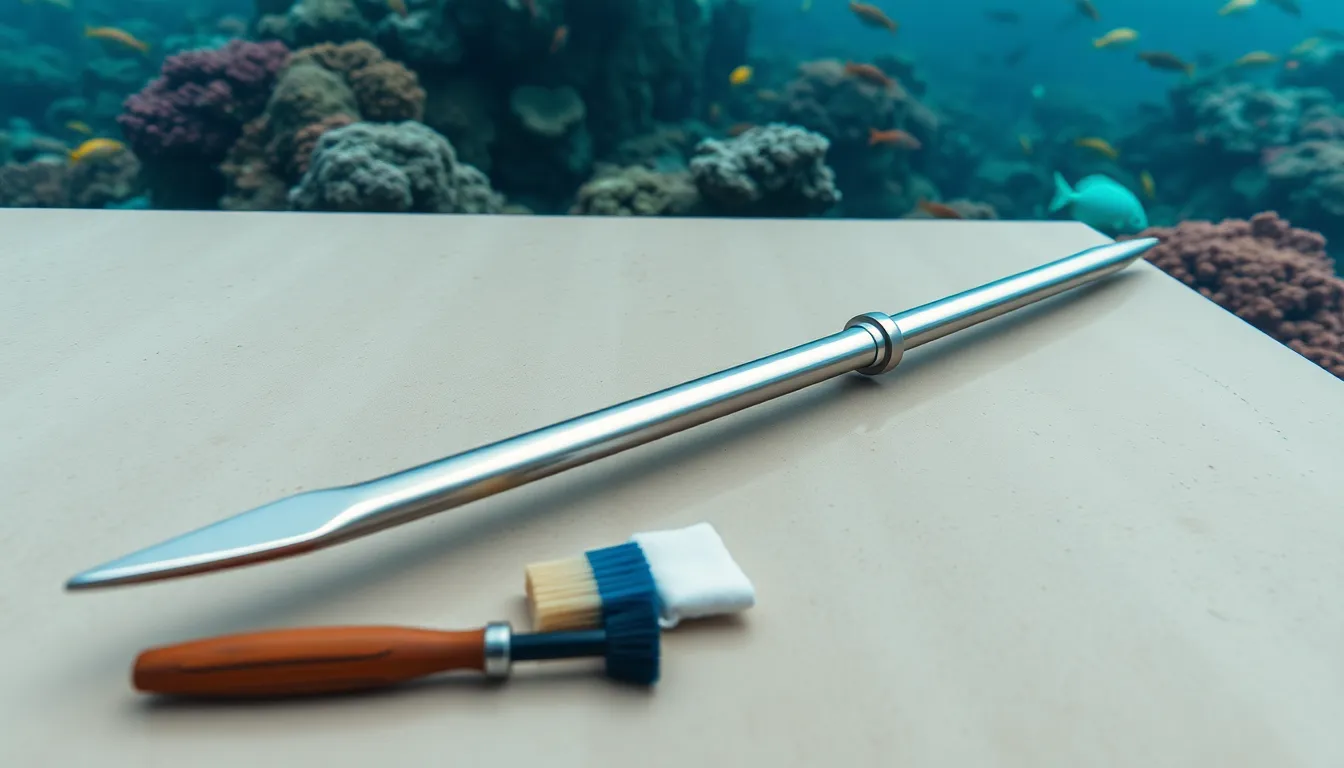
Have you ever missed a shot while spearfishing and wondered what went wrong? The precision of your spear during a dive can mean the difference between bringing home a prized catch or coming home empty-handed. One fundamental aspect that influences this precision is the straightness of the spear shaft. Understanding the importance of spear shaft straightness is crucial not just for professional spearfishers, but for enthusiasts at all levels looking to enhance their performance. A straight spear shaft ensures accuracy, stability, and efficiency, ultimately leading to a more successful spearfishing experience. In this article, we will explore the significance of spear shaft straightness, delve into its historical context, and provide practical insights and expert advice to help you choose the right equipment for your next underwater adventure.
Core concept definition and scope
Spear shaft straightness refers to the degree to which a spear shaft maintains a linear form from one end to the other. Ideally, a spear should be perfectly straight, as any deviation can significantly impact its trajectory and performance underwater. This concept encompasses various factors including material properties, manufacturing processes, and design specifications, which collectively contribute to the effectiveness of the spear in real-world conditions.
In the realm of spearfishing, the straightness of the spear shaft is a crucial aspect that can affect not only accuracy but also the overall dynamics of the spear when in motion. A straight spear shaft minimizes wobble and drag, allowing for greater accuracy and distance, which is vital when dealing with fast-moving or wary fish. This article will delve deeply into the significance of spear shaft straightness, offering insights into its history, principles, practical applications, benefits, and more, ultimately guiding you towards improving your spearfishing success.
Historical context and development
The evolution of spearfishing tools dates back to ancient civilizations, where early hunters utilized rudimentary wooden shafts to catch fish. These primitive spears, often crafted from locally available materials, showcased varying degrees of straightness, often leading to inconsistent hunting success. Over time, advancements in materials and techniques have led to the development of modern spear shafts made from a variety of materials such as aluminum, carbon fiber, and stainless steel, each bringing its own advantages and challenges.
Historically, the need for a straight spear shaft became apparent as hunters began to notice the discrepancies in accuracy when using bent or warped shafts. The introduction of more sophisticated manufacturing techniques allowed for tighter tolerances and improved straightness, thus enhancing the overall effectiveness of spearfishing equipment. For instance, during the 20th century, the use of aluminum and composite materials became widespread, allowing for the production of lighter, straighter, and more durable spear shafts that revolutionized the sport. This historical evolution shows a clear trajectory towards prioritizing straightness, not just for performance but also for the safety and efficiency of spearfishing practices.
Key principles and components
Material properties
The choice of materials significantly affects the straightness of a spear shaft. High-end materials such as carbon fiber provide a remarkable strength-to-weight ratio and excellent rigidity, crucial for maintaining a straight shaft under pressure and during dynamic movements. Carbon fiber shafts resist bending and deformation, ensuring that the spear remains effective throughout its use. In contrast, cheaper materials like low-grade aluminum or plastic may warp over time due to stress, exposure to the elements, or improper handling, leading to decreased performance and accuracy. When choosing a spear, consider investing in high-quality materials that will withstand the rigors of spearfishing while maintaining optimal straightness.
Manufacturing processes
Precision in manufacturing is paramount when it comes to spear shaft straightness. Advanced techniques such as extrusion and CNC (Computer Numerical Control) machining are employed to ensure that spear shafts maintain their straightness throughout production. These high-tech processes allow for the creation of shafts with consistent dimensions and tolerances, reducing the likelihood of bends or warps. Furthermore, stringent quality control measures during manufacturing help detect and eliminate defects that could compromise shaft integrity. For example, some manufacturers utilize laser measurement systems to check straightness during production, ensuring that any deviations are rectified before the product reaches the consumer. This attention to detail in manufacturing processes significantly enhances the reliability and performance of spearfishing gear.
Design specifications
Design plays a pivotal role in maintaining spear shaft straightness. Features such as tapering, diameter consistency, and attachment points must be carefully considered to avoid introducing bends or warps in the shaft. A well-designed spear shaft will have a uniform diameter throughout its length, which helps distribute stress evenly and prevents weak points that may lead to bending. Additionally, the tapering of the shaft can influence its balance and trajectory; a properly tapered shaft can improve hydrodynamics and reduce drag, enhancing accuracy underwater. Careful attention to design specifications not only improves straightness but also contributes to the overall effectiveness and user satisfaction of the spearfishing experience.
How it works and practical applications
The functionality of a spear shaft hinges significantly on its straightness. When a spear is thrown or shot, it travels along a trajectory determined by its straightness, speed, and the angle of release. A straight spear shaft minimizes wobble and drag, enabling greater accuracy and distance, which is vital in spearfishing. For instance, when targeting a fish that is known for its agility and speed, a straight spear allows for quicker penetration and reduces the chance of the spear veering off course.
Moreover, the straightness of the spear shaft affects the hydrodynamics as the spear moves through water. A straight spear experiences less resistance, allowing for faster penetration into the water, which is crucial for targeting fast-moving fish. In practical applications, this means that spearfishers can aim more precisely at their targets, significantly increasing their chances of a successful catch. A well-constructed spear shaft not only aids in hitting the target but also contributes to the overall efficiency during the hunt, allowing divers to conserve energy and enhance their experience underwater.
Benefits, advantages, and limitations
Benefits
- Increased accuracy: A straight spear shaft helps maintain a consistent trajectory, leading to more accurate shots. This is particularly important in dynamic environments where fish can quickly change direction. For instance, a straight spear shaft can increase your chances of hitting a moving fish by ensuring that the spear follows a predictable path through the water.
- Improved stability: Stability during movement reduces the risk of missing targets. A straight shaft minimizes the effects of turbulence as it moves through water, resulting in a more stable flight path. This stability is essential for spearfishers targeting larger species that may be more difficult to catch, as even a slight deviation can mean the difference between a successful strike and a missed opportunity.
- Enhanced performance: A straight spear can penetrate water more efficiently, increasing the chances of a successful catch. The reduced drag allows for quicker follow-through and a more immediate impact on the target, which is particularly beneficial when pursuing species that are known to be skittish or easily startled.
Advantages
The advantages of using a straight spear shaft are particularly evident in competitive settings where precision is paramount. Competitive spearfishers often rely on high-quality, straight shafts to maximize their performance and ensure they can consistently hit their targets. For example, a competitive diver participating in a tournament may choose a top-tier carbon fiber shaft designed for optimal straightness, leading to a marked improvement in their overall catch rate. Additionally, using equipment that maximizes accuracy not only boosts performance but can also enhance a diver’s confidence, allowing them to focus on their technique rather than worrying about their gear.
Limitations
Despite the numerous benefits associated with spear shaft straightness, it’s important to recognize certain limitations. A perfectly straight spear shaft can be more delicate and susceptible to damage if not handled properly. For instance, a high-end carbon fiber shaft may offer excellent performance but can shatter upon impact if it strikes a hard surface or is dropped. Additionally, the cost of high-quality materials and advanced manufacturing processes can be a barrier for some spearfishers. While investing in superior equipment is advisable for serious enthusiasts, beginners or recreational divers may find it challenging to justify the expense. Ultimately, understanding these limitations allows divers to make informed choices about their equipment and its maintenance.
Common misconceptions debunked
Myth 1: Any spear shaft can deliver the same performance
This myth overlooks the critical role that shaft straightness plays in accuracy and performance. Not all spear shafts are created equal; those that are not straight will lead to inconsistent results, affecting your overall catch rate. For instance, using a warped shaft may result in erratic trajectories, making it more likely for the spear to miss its target entirely, especially in fast-moving or challenging conditions.
Myth 2: Only professional divers need to worry about shaft straightness
This misconception is misleading; even recreational divers can benefit from using straight spear shafts. Improved accuracy can lead to more successful outings, regardless of experience level. For example, a novice diver investing in a straight shaft may find themselves catching more fish than they would with a lower-quality, bent shaft, thus enhancing their overall enjoyment and satisfaction with the sport.
Myth 3: Warped shafts can be fixed through adjustments
While minor bends may be corrected with adjustments, significant warps often render a spear ineffective. Trying to fix a warped shaft can lead to further complications and may compromise its structural integrity. It’s best to invest in a quality shaft rather than attempting to fix a warped one, as the long-term benefits of a straight spear far outweigh the temporary satisfaction of a quick fix.
Real-world examples and case studies
Consider the case of a competitive spearfisher who switched from a standard spear shaft to a high-end, straight carbon fiber shaft. The results were immediate; their accuracy improved dramatically, leading to a higher catch rate during competitions. This spearfisher reported not only catching more fish but also feeling more confident in their shots, which further boosted their performance.
Another example can be seen in a local spearfishing club that emphasized the importance of spear shaft straightness in their training programs. Members who invested in straight shafts reported not only better performance but also increased confidence in their abilities. Many club members noted that the initial investment in quality gear paid off in terms of both enjoyment and success, highlighting a growing trend among recreational divers to prioritize equipment quality for improved outcomes.
Future developments and trends
The future of spear shaft technology is likely to focus on even more advanced materials that enhance straightness while reducing weight. Innovations in materials science could lead to the creation of new composite materials that are lighter, stronger, and more resistant to warping. For instance, the development of hybrid materials that combine the benefits of carbon fiber and aluminum could become commonplace, offering divers the best of both worlds.
Additionally, the integration of technology such as sensors to measure shaft straightness and performance metrics could revolutionize how spearfishers choose and maintain their equipment. Imagine a spear shaft equipped with smart technology that provides real-time feedback on performance and straightness, allowing divers to make informed decisions about their gear before heading into the water. The convergence of technology and traditional spearfishing practices presents exciting opportunities for both novice and experienced divers alike.
Further learning resources
- Spear Shaft Selection Guide – A comprehensive guide to help you choose the right spear shaft based on your needs and preferences.
- Spearfishing Basics – An informative resource for newcomers to the sport, covering essential techniques and safety tips.
- Join our Spearfishing Community Forum – Connect with fellow spearfishers to share experiences, tips, and advice.
- Spear Shaft Maintenance Tips – Learn how to properly care for your spear shaft to prolong its life and maintain optimal performance.
Conclusion
Understanding the importance of spear shaft straightness is vital for anyone looking to improve their spearfishing experience, whether you’re a seasoned pro or just starting. The benefits of increased accuracy, improved stability, and enhanced performance cannot be overstated. As you evaluate your equipment, consider investing in high-quality materials, precision manufacturing, and thoughtful design to ensure that your spear shaft is as straight as possible. Remember, even small improvements in your gear can lead to significantly better outcomes in the water. Explore the resources provided to deepen your knowledge and connect with the spearfishing community, and take your skills to the next level. The ocean is waiting, so gear up and get ready for your next adventure!