Why This Topic Matters
Have you ever struggled to put on your wetsuit before a dive, feeling like you’re wrestling with a slippery, clingy second skin? Or perhaps you’ve noticed that your wetsuit starts to show signs of wear much sooner than expected? In the world of spearfishing, the gear you choose can significantly impact your performance and safety. One crucial element that often goes unnoticed is the wetsuit loading pad. This seemingly small feature plays a pivotal role in enhancing your comfort and efficiency during dives. Understanding the wetsuit loading pad importance is essential for improving your overall experience in the water. This article delves into the significance of these pads, providing insights that can elevate your spearfishing adventures to new heights.
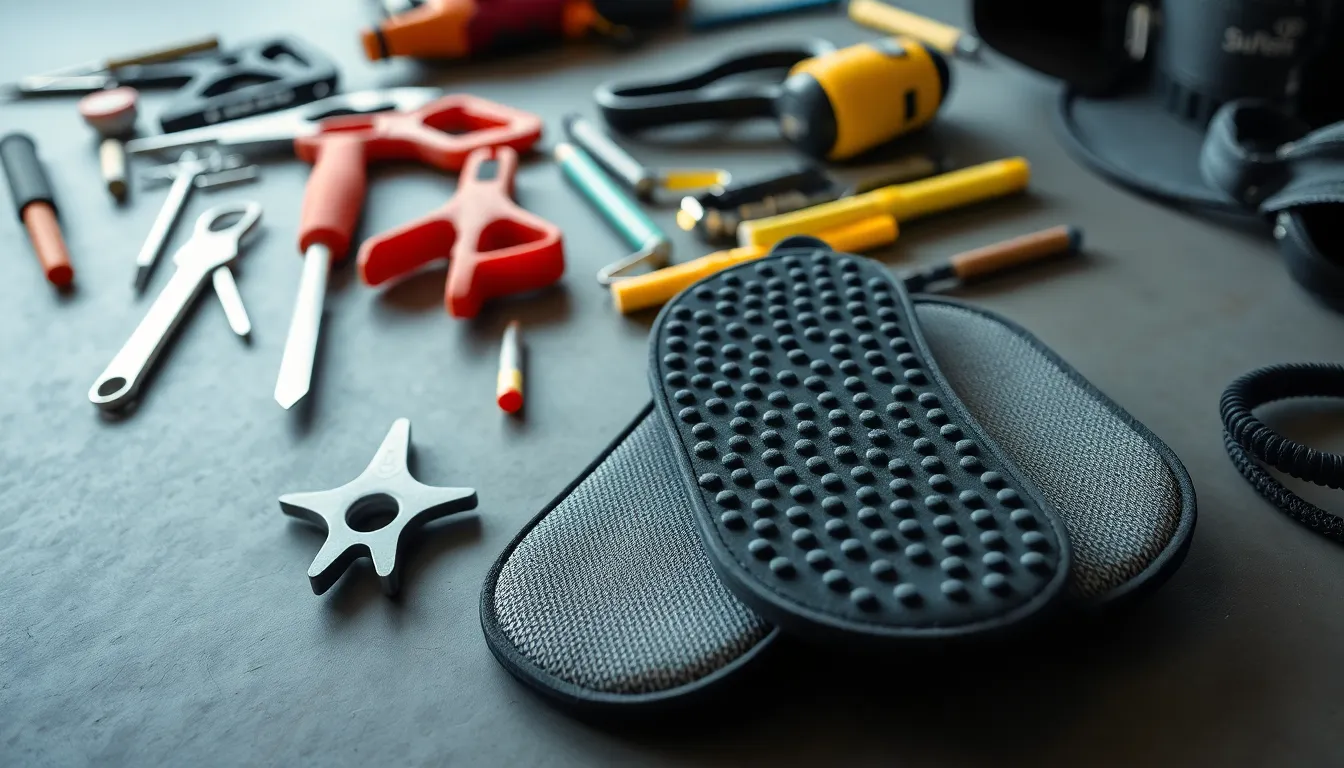
A wetsuit loading pad is a specialized component of a wetsuit designed to facilitate the donning of the suit. Typically located on the thighs, this pad provides a frictional surface that helps the diver pull the wetsuit on without damaging the material. The concept of wetsuit loading pads has evolved over the years, becoming an integral part of modern wetsuit design. The inclusion of loading pads addresses the age-old challenge of wearing a wetsuit, which can often be a cumbersome task, especially when conditions are less than ideal. This article will explore the historical context, materials, benefits, and practical applications of wetsuit loading pads, providing a comprehensive understanding of why they are essential for both novice and experienced divers alike.
What is a Wetsuit Loading Pad?
A wetsuit loading pad is a reinforced area on the wetsuit, typically made from durable materials such as neoprene or nylon. This pad is specifically engineered to withstand the tugging and pulling that occurs when putting on or taking off a wetsuit, thereby minimizing wear and tear. Its primary purpose is to protect the wetsuit fabric, ensuring longevity and maintaining the suit’s insulating properties. The loading pad acts as a buffer, allowing the diver to exert force without compromising the integrity of the wetsuit. This can be particularly vital for spearfishers who often find themselves in challenging environments where quick and efficient donning is essential. Additionally, the presence of a loading pad means that divers can focus more on their dive preparation and less on gear issues, ultimately enhancing their overall experience underwater.
Historical Context and Development
The evolution of wetsuit loading pads can be traced back to the early days of wetsuit technology in the 1950s. Initially, wetsuits were simple and lacked the sophisticated design features we see today. The early wetsuits were primarily made from rubber, which, while effective for insulation, lacked flexibility and comfort. As spearfishing and underwater sports gained popularity, the demand for more durable and functional wetsuits led to innovations in material and construction. Manufacturers began experimenting with different materials and designs to improve both the performance and comfort of wetsuits.
The Evolution of Wetsuit Design
In the 1970s and 1980s, wetsuit manufacturers began to incorporate various design elements to improve performance. The introduction of loading pads marked a significant advancement in wetsuit technology. These pads not only enhanced the durability of wetsuits but also made the process of putting them on easier, which is particularly important for spearfishers who often work in challenging conditions. The combination of neoprene and nylon allowed for a more flexible fit while maintaining necessary insulation. Over time, as the technology behind wetsuits progressed, additional features such as thermal linings and reinforced seams also became more common. This evolution reflects a growing understanding of the specific needs of divers and the unique challenges they face in various aquatic environments. Today, wetsuit loading pads are recognized as a standard feature in many high-quality wetsuits, helping to ensure that divers can prepare quickly and efficiently for their underwater adventures.
Key Principles and Components
Understanding the key principles behind wetsuit loading pads is crucial for selecting the right gear. These pads are designed to provide a balance between functionality and comfort, contributing to an overall positive diving experience. When considering a wetsuit, it’s essential to be aware of the materials used and the design features that can enhance or detract from your diving experience.
Materials Used
- Neoprene: The most common material for wetsuit loading pads, neoprene offers excellent flexibility and insulation. This synthetic rubber is not only resistant to water but also provides a comfortable fit that allows for a wide range of motion. Neoprene’s insulating properties are crucial for maintaining body temperature in cold water, making it an ideal choice for wetsuit construction. The thickness of neoprene can vary, allowing divers to select suits that best suit their diving conditions. For instance, a thicker neoprene is often favored for colder waters to provide added warmth, while thinner versions are ideal for warmer conditions, ensuring mobility without overheating.
- Nylon: Often used as a lining material, nylon enhances durability and provides a smooth surface for sliding the wetsuit on. Its lightweight nature helps reduce the overall weight of the wetsuit, making it easier for divers to move and maneuver in the water. Additionally, nylon’s resistance to abrasion ensures that the wetsuit can withstand the rigors of spearfishing, including contact with rocks, coral, and other underwater structures. This combination of durability and comfort makes nylon an excellent choice for both the interior and exterior of wetsuits, contributing to a pleasant wearing experience.
- Reinforced Stitching: High-quality wetsuits feature reinforced stitching around the loading pad to prevent fraying and ensure longevity. This type of stitching often utilizes flatlock seams, which not only enhance durability but also reduce water entry, keeping divers warmer. Reinforced stitching is a critical aspect of wetsuit design, as it helps maintain the structural integrity of the suit over time. For divers, this means that a well-constructed wetsuit can endure numerous dives without significant deterioration, ensuring consistent performance and comfort.
Design Features
- Textured Surface: A textured surface on the loading pad increases friction, making it easier to grip when pulling on the wetsuit. This feature is particularly advantageous in wet conditions where a smooth surface may lead to slipping and difficulty in donning the suit. The textured finish provides added grip, allowing divers to efficiently maneuver the wetsuit over their legs and torso without the fear of tearing or damaging the fabric. Moreover, this design element not only aids in putting on the wetsuit but also enhances the overall durability of the pad, as it reduces the likelihood of excessive wear from repeated pulling.
- Strategic Placement: Loading pads are typically placed on the thighs, where most pulling force is applied, minimizing stress on the suit. This strategic positioning helps distribute the force exerted while putting on the wetsuit, reducing the risk of damage to the fabric. By concentrating the loading pad in areas that experience the most tension, wetsuit manufacturers ensure that the suit remains intact and functional over time. This thoughtful design is particularly beneficial for spearfishers who frequently don and doff their wetsuits in challenging environments such as rocky shores or boats, where efficiency is essential.
- Ergonomic Shape: Pads are often shaped to conform to the body’s natural curves, enhancing comfort during wear. This ergonomic design not only improves the fit of the wetsuit but also helps prevent chafing and discomfort while diving. A well-fitted wetsuit is crucial for maintaining body temperature and ensuring mobility underwater. By focusing on the anatomical structure of the body, wetsuit designers can create pads that provide added comfort and support, allowing divers to concentrate on their diving experience rather than potential discomfort from ill-fitting gear.
How It Works and Practical Applications
The functioning of a wetsuit loading pad is straightforward yet effective. When a diver puts on a wetsuit, the loading pad’s textured surface provides the necessary grip to maneuver the suit over the legs and torso. This functionality is especially beneficial for spearfishers who need to quickly don their gear in various environments, from rocky shores to boats. The efficiency offered by loading pads can significantly impact a diver’s preparation time, allowing them to enter the water swiftly and safely.
Practical Applications in Spearfishing
In spearfishing, time is of the essence. A wetsuit loading pad allows divers to efficiently put on their wetsuits, minimizing the time spent preparing for a dive. This efficiency can make a significant difference in situations where conditions change rapidly, such as shifts in tide or weather. Additionally, using a loading pad helps maintain the integrity of the wetsuit, ensuring it performs optimally throughout its lifespan. For instance, when a spearfisher is preparing for an early morning dive, the ability to don their wetsuit quickly can mean the difference between a successful outing and missing out on the prime hunting conditions. Furthermore, the ergonomic design of loading pads contributes to the overall comfort of the diver, allowing them to focus on their technique and strategy instead of battling with their gear.
Benefits, Advantages, and Limitations
Understanding the advantages and potential limitations of wetsuit loading pads can help divers make informed choices about their gear. While there are numerous benefits to having a loading pad, it’s essential to consider any drawbacks that may arise from their inclusion in wetsuit design.
Benefits
- Improved Durability: Loading pads protect the suit from wear and tear, extending its life. By reinforcing the areas of the wetsuit that experience the most stress during donning, loading pads help prevent premature degradation of the fabric. This increased durability means that divers can rely on their wetsuits for longer periods, reducing the need for frequent replacements. For avid spearfishers, investing in a wetsuit with a loading pad can result in significant cost savings over time, as it minimizes the risk of damage and extends the overall lifespan of the gear.
- Enhanced Comfort: The ergonomic design of loading pads ensures a better fit and comfort during use. By reducing friction and providing a more natural feel when donning the wetsuit, loading pads help prevent chafing and discomfort that can arise from ill-fitting gear. This enhanced comfort allows divers to focus on their diving experience rather than being distracted by equipment issues. Moreover, a comfortable wetsuit can contribute to better performance in the water, as it allows for freedom of movement and flexibility.
- Time Efficiency: Quickly donning a wetsuit allows for more time spent in the water. The time saved during gear preparation can be crucial, especially in competitive scenarios or when diving conditions are unpredictable. For example, if a spearfisher is waiting for the right tide or current, the ability to swiftly put on their wetsuit means they can take advantage of the optimal conditions as soon as they arise. This efficiency not only enhances the diving experience but also increases the likelihood of a successful catch.
Limitations
- Cost: Wetsuits with loading pads may be more expensive than standard models. While the benefits of added durability and comfort are significant, the initial investment can be a consideration for budget-conscious divers. It’s essential for potential buyers to weigh the long-term advantages against the upfront costs. However, many divers find that the investment pays off in the long run, as the lifespan of the wetsuit is extended, ultimately leading to fewer replacements.
- Weight: Additional materials can add slight weight to the wetsuit, which may be a consideration for some divers. While most divers prioritize comfort and functionality, those who prefer a lightweight suit for speed and maneuverability may find the extra weight of a loading pad to be a drawback. However, advancements in material technology have led to the creation of lightweight yet durable loading pads, mitigating this concern. It’s crucial for divers to consider their specific needs and preferences when selecting a wetsuit.
Common Misconceptions Debunked
There are several misconceptions regarding wetsuit loading pads that need to be addressed to ensure divers make the best choices for their gear.
Myth 1: Loading Pads Are Only for Beginners
Many believe that wetsuit loading pads are primarily beneficial for novice divers. In reality, experienced spearfishers also benefit from the durability and efficiency these pads provide, regardless of skill level. Experienced divers often face challenging conditions and need gear that can withstand the rigors of their sport. The added durability and ease of donning offered by loading pads make them an essential feature for divers of all experience levels. Whether you are just starting or have years of experience, having the right gear can significantly enhance your diving experience.
Myth 2: All Wetsuits Have Loading Pads
Not all wetsuits come equipped with loading pads. Consumers must specifically look for this feature when selecting a wetsuit to ensure they receive the benefits it offers. Many entry-level wetsuits may lack this important component, leading to frustration and difficulties during preparation. It’s essential for divers to be informed about the various features available in wetsuits and to seek out models that specifically include loading pads, especially if they prioritize efficiency and durability in their gear.
Real-World Examples and Case Studies
To further illustrate the importance of wetsuit loading pads, consider the following real-world examples.
Case Study 1: Competitive Spearfishing
A team of competitive spearfishers found that using wetsuits with loading pads significantly reduced their prep time before dives, allowing them to focus on strategy and technique instead of struggling with their gear. By integrating wetsuits with loading pads into their routine, the team reported an increase in their overall performance during competitions. The enhanced efficiency enabled them to maximize their time in the water and adapt quickly to changing conditions, ultimately leading to improved results and greater success in their competitions.
Case Study 2: Recreational Divers
Recreational divers who frequent cold waters noticed that their wetsuits lasted longer and maintained insulation better when equipped with loading pads, showcasing the enduring benefits of this feature. One group of divers documented their experiences over multiple seasons and found that their wetsuits remained in excellent condition compared to those without loading pads. This not only saved them money on replacements but also provided peace of mind knowing that their gear was reliable during cold-water dives. Their positive experiences highlighted the importance of investing in quality gear for both performance and longevity.
Future Developments and Trends
The wetsuit industry continues to innovate, and the future of wetsuit loading pads looks promising. With advancements in materials science and design technology, we can expect to see even more durable and efficient loading pads that enhance the diving experience. As the needs of divers evolve, manufacturers are continually seeking ways to improve the functionality and comfort of wetsuits, including the incorporation of loading pads.
Emerging Technologies
- Smart Fabrics: Future wetsuits may incorporate smart materials that adjust to temperature and water conditions, providing optimal performance. These innovative fabrics can respond to environmental changes, ensuring that divers remain comfortable regardless of external conditions. Imagine a wetsuit that becomes more insulating in colder waters or provides ventilation in warmer temperatures—such advancements could revolutionize the diving experience, making it more enjoyable and efficient.
- Eco-Friendly Materials: With increasing environmental awareness, the development of sustainable materials for wetsuit loading pads is on the rise. Manufacturers are exploring biodegradable options and recyclable materials that reduce the environmental impact of wetsuit production. This shift towards sustainability not only benefits the planet but also appeals to environmentally conscious consumers who seek gear that aligns with their values. As these materials become more prevalent, divers can enjoy their sport while contributing to the preservation of marine ecosystems.
Further Learning Resources
For those interested in learning more about wetsuit loading pads and spearfishing gear, here are some valuable resources:
- SpearAndHunt Wetsuit Guide – This comprehensive guide covers everything you need to know about selecting the right wetsuit, including features like loading pads.
- SpearAndHunt Gear Reviews – Detailed reviews of various spearfishing gear, including wetsuits with loading pads, to help you make informed decisions.
- SpearAndHunt Spearfishing Techniques – Expert tips and techniques to enhance your spearfishing skills and maximize your time in the water.
Conclusion
Understanding the wetsuit loading pad importance not only enhances your gear knowledge but also contributes to safer and more efficient spearfishing experiences. By investing in quality wetsuits with loading pads, you can ensure that you’re well-equipped for every dive. These pads provide undeniable benefits, from improved durability and comfort to time efficiency and enhanced performance. As you prepare for your next underwater adventure, consider the advantages that a wetsuit with a loading pad can offer. Take the time to research and select the right gear, and you’ll find that your dives become more enjoyable and productive. Dive smart, gear up wisely, and experience the difference a well-designed wetsuit can make!