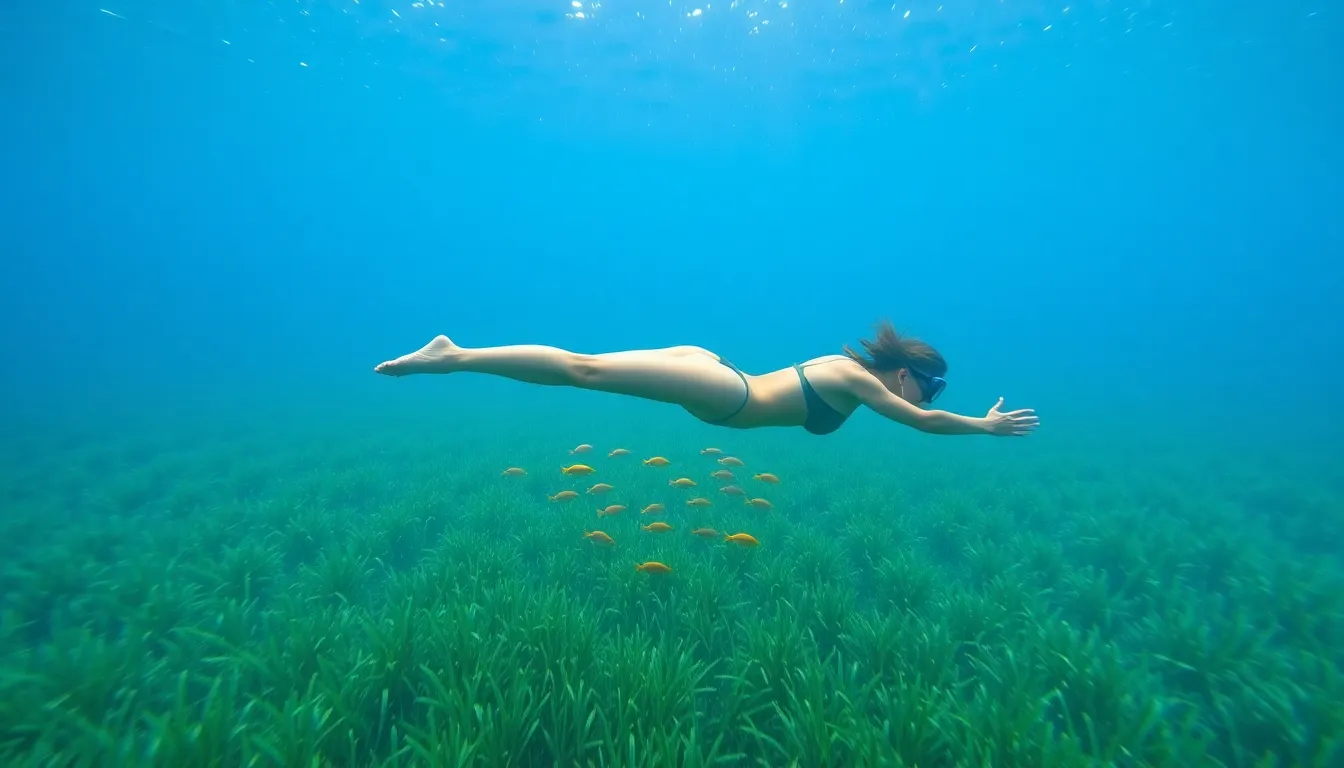
Improving waiting time is a crucial skill for underwater fishermen, as it optimizes catch opportunities and reduces stress for the fish. In this guide, we will explore fundamental and advanced techniques to enhance waiting time, from physical preparation to practice in the water. Each section will provide useful and practical details to help you become a more effective underwater fisherman.
Overview of Technique and Applications in Underwater Fishing
Waiting time refers to the ability to remain still and wait underwater, allowing fish to approach without sensing the presence of the fisherman. This technique is essential for success in underwater fishing, as most fish are very sensitive to movements and vibrations in the water.
- Applications: Waiting time is useful in various fishing situations, such as hunting elusive species or during fishing in shallow waters where fish are more timid.
- Benefits: Improving waiting time increases the likelihood of catch, reduces energy consumption, and allows for greater control over breathing and buoyancy.
Prerequisites: Freediving and Swimming Skills
Freediving
To improve waiting time, it is essential to have a good mastery of freediving. This involves not only the ability to hold your breath but also to completely relax to reduce oxygen consumption. It is advisable to take freediving courses to learn the correct techniques.
Swimming Skills
A good swimmer can move silently and with less effort in the water. Swimming techniques should include:
- Smooth swimming style to facilitate movements.
- Breathing control exercises while swimming.
Details on Execution with Underwater Considerations
The correct execution of waiting time requires attention to several factors, from positioning techniques to breathing management. Here is a step-by-step guide:
1. Choosing the Location
Identify an area where fish are known to pass. Avoid crowded spots and look for bottoms that offer cover.
2. Positioning
Assume a horizontal or semi-horizontal position, with your body relaxed. Keep your arms along your sides or slightly bent to improve stability.
3. Breathing
Practice deep breathing before diving. Inhale slowly through your nose, exhale through your mouth, trying to stay calm.
4. Waiting
Remain still and carefully observe the surrounding environment. Use very slow movements to avoid scaring the fish.
Common Mistakes in Underwater Hunting
Many underwater fishermen make mistakes that can compromise their success. Here are some of the most common mistakes and their corrections:
- Jerky Movements: Avoid quick movements that can alert the fish. Practice slowness and fluidity.
- Irregular Breathing: Labored breathing can cause stress. Maintain a regular breathing rhythm.
- Incorrect Positioning: If you are too visible, fish will swim away. Make sure to blend in with the environment.
Advanced Variants for Different Conditions
Techniques to improve waiting time can vary based on environmental conditions. Here are some advanced variations:
Fishing in Strong Currents
In waters with strong currents, it is important to use the seabed for stabilization. Position yourself so that you are sheltered from the current and use your body to resist the movements of the water.
Murky Waters
When poor visibility is an issue, it is essential to increase waiting time and use calling techniques to attract fish.
Practical Exercises for Pool and Open Water
Practicing in the pool and open water is essential for improving waiting time. Here are some recommended exercises:
1. Pool Freediving Exercises
- Hold your breath underwater for 30-60 seconds, gradually increasing the time.
- Practice passive floating to improve relaxation.
2. Waiting Simulation in Open Water
In open water, practice remaining still in different positions and observing the fish fauna. Note the waiting time and the species sighted.
Performance Metrics and Integration of Freediving
Monitoring performance metrics is essential for evaluating progress. Keep track of:
- Average waiting time.
- Number of fish spotted during each session.
- Maximum duration of apnea.
Integrating apnea into your daily practice can significantly improve your breath-hold time. Add apnea sessions to your regular training program.
Safety Protocol and Emergency Procedures
Safety is paramount in spearfishing. Here are some guidelines to follow:
Safety Protocol
- Never fish alone. Always work in pairs.
- Wear a buoyancy device and a whistle.
- Always check the weather conditions before diving.
Emergency Procedures
Being prepared for emergencies can save lives. Make sure you know:
- How to signal for help if needed.
- Cardiopulmonary resuscitation (CPR) maneuvers.
In conclusion, improving breath-hold time in spearfishing is a process that requires practice, patience, and attention to detail. By implementing the techniques described in this guide, you can optimize your skills and increase your chances of success underwater.