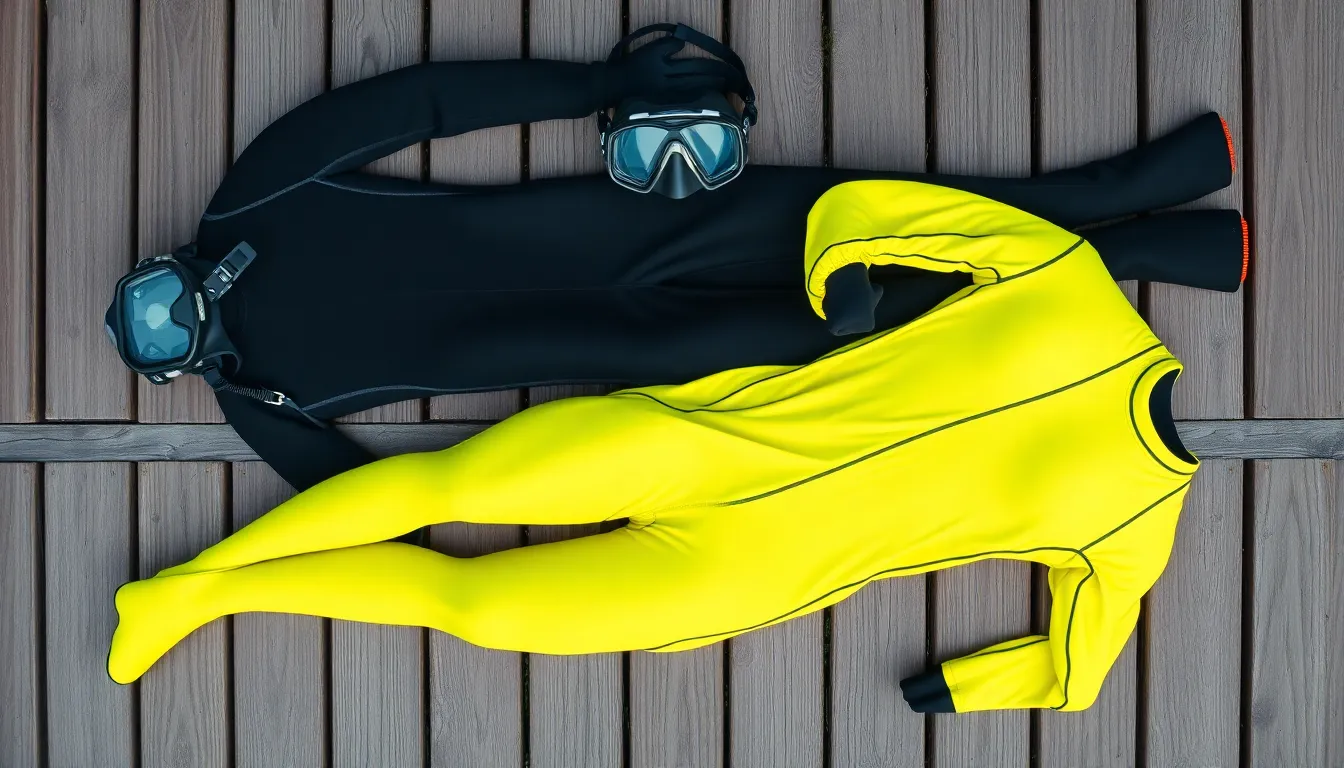
Scuba diving and spearfishing are fascinating activities that offer enthusiasts the chance to explore unique marine ecosystems. To fully enjoy these experiences, choosing the right equipment is essential, especially when it comes to wetsuits. Did you know that the type of wetsuit you choose can not only influence your comfort but also your safety? In the field of diving equipment, split suits and double-lined suits stand out as the most popular options. Each has been developed to meet specific needs, drawing on technological innovations that enhance their performance and durability. This article will help you understand the fundamental differences between these two types of wetsuits so that you can make an informed choice for your next underwater adventure.
Explanation of key differences
To better understand these two technologies, it is essential to examine their fundamental differences. Here are some key elements that distinguish them:
- Materials: Split suits are generally made from high-quality neoprene, often with an outer coating that enhances their waterproofing. The neoprene used is often dense and durable, making it an ideal choice for cold environments. In contrast, double-lined suits often use softer and lighter neoprene, making them more comfortable to wear for extended periods. This material also allows for better air circulation, which is essential to avoid overheating during dives.
- Insulation: The structure of split suits allows for superior thermal insulation, particularly in cold waters. These suits are designed to trap a layer of water between the skin and the neoprene, which is then warmed by body heat. In contrast, double-lined suits, while offering good insulation, are better suited for warmer conditions or extended dives where flexibility is paramount. This means they are often favored by divers operating in temperate waters who seek increased freedom of movement.
- Durability: Generally, split suits have a reputation for superior durability, being designed to withstand harsh conditions. They are often used by professional divers who require robust protection. On the other hand, double-lined suits, while lighter, may wear out more quickly due to their more fragile design. For example, divers who practice spearfishing in rocky areas might find that split suits offer better abrasion resistance.
Feature comparison framework
| Feature | Split Suit | Double-Lined Suit |
|---|---|---|
| Material | High-density neoprene | Lightweight neoprene |
| Insulation | Excellent | Good |
| Flexibility | Limited | High |
| Durability | Superior | Less durable |
| Weight | Heavy | Light |
Final analysis and recommendations
By examining the features of split suits and double-lined suits, it is clear that each type has its specific advantages and disadvantages. For beginner divers or those diving in cold waters, the split suit is often the best option due to its durability and excellent thermal insulation. In contrast, for experienced divers seeking optimal performance in warmer environments or for short dives, the double-lined suit offers unmatched flexibility and comfort.
For budget-conscious users, it is important to consider the long-term cost of each type of suit. While split suits may have a higher initial cost, their durability means they could represent a better investment in the long run. Ultimately, the choice will depend on your personal preferences, diving conditions, and how often you dive. Consider trying both types to determine which one suits you best.
Usage scenarios
Split suits and double-lined suits are designed for different types of diving and water activities. Here are some usage scenarios for each type:
Split Suit
- Cold water dives: Ideal for divers operating in cold environments, these suits ensure optimal protection against hypothermia. They are often used by divers exploring wrecks or reefs in waters where the temperature is below 15°C. The warmth retained by these suits allows for extended dive times by reducing the risk of shivering, which is crucial for safety.
- Extended scuba diving: Thanks to their excellent insulation, they are suitable for long dives where water temperature can drop significantly. For example, for dives at depths greater than 30 meters, where the temperature can drop rapidly, a split suit is essential. Additionally, these suits are often designed to accommodate accessories such as gloves and booties, further enhancing protection against the cold.
Double-Lined Suit
- Temperate water diving: Perfect for warmer diving conditions, they allow for greater freedom of movement. Divers operating in waters around 20-25°C find that these suits offer a good balance between comfort and protection. Moreover, the lightweight nature of these suits allows divers to move easily, which is essential when exploring marine life.
- Light water activities: Ideal for snorkeling or other recreational water activities where comfort is a priority. Double-lined suits are often chosen by those spending a day at the beach, as they are easy to put on and take off. For example, for those paddleboarding or kayaking, a lightweight suit allows for comfort without sacrificing protection from the elements.
Advantages and disadvantages
Split Suit
- Advantages:
- Excellent thermal insulation, making it the ideal choice for cold water dives. This allows divers to stay warm and extend their time underwater without the risk of hypothermia.
- Increased durability, offering better resistance to abrasions and tears, which is essential for divers operating in challenging environments.
- Optimal protection against the cold, ensuring a more enjoyable diving experience even in extreme conditions.
- Disadvantages:
- Less flexibility, which can restrict movement, particularly during dives requiring acrobatics or quick movements.
- Can be bulky, making the suit less comfortable to wear for extended periods, especially out of the water.
- Heavier to transport, which can be an issue for trips where equipment weight is a major consideration.
Double-Lined Two-Sided Suit
- Advantages:
- Great flexibility and comfort, allowing for increased freedom of movement. This is particularly important for activities requiring dynamic movements, such as spearfishing or freediving.
- Lightweight and easy to transport, making it an excellent choice for travel. Divers can easily fold and store the suit without taking up too much space.
- Ideal for short dives, providing enough protection while allowing the diver to focus on exploration rather than thermal comfort.
- Disadvantages:
- Limited thermal insulation, which can be problematic during dives in cold waters, making these suits unsuitable for certain conditions.
- Less durable in extreme conditions, which can lead to quicker wear and require frequent replacement.
- Not ideal for prolonged dives in cold waters, as the thermal protection is insufficient to prevent hypothermia.
Selection Criteria
Choosing between a sealed suit and a double-lined two-sided suit depends on several criteria. Here are some points to consider when making your selection:
- Diving Conditions: If you are diving in cold waters, a sealed suit is preferable. These suits are designed to withstand low temperatures while retaining body heat. For warmer waters, a double-lined two-sided suit may suffice, offering better comfort without compromising freedom of movement.
- Duration of the Dive: For extended sessions, prioritize the sealed suit for its insulation. This will keep you warm and comfortable, even for hours underwater. For short dives, the flexibility of the double-lined two-sided suit may be enough, as you won’t need as much insulation.
- Budget: Prices vary significantly; assess your budget before making a decision. Keep in mind that while sealed suits may be more expensive to purchase, their durability can represent better value for money in the long run.
- Comfort: Try both types to determine which offers you the best fit and comfort. Remember that comfort is essential for fully enjoying your diving experience, so ensure that the suit does not restrict your movements.
Trends and Future Developments
The field of diving suits continues to evolve with the integration of new technologies and innovative materials. Current trends include:
- Eco-Friendly Materials: Many manufacturers are beginning to use sustainable and recycled materials to reduce environmental impact. This includes biodegradable petroleum-based neoprene or other eco-friendly alternatives that maintain performance without harming the planet.
- Thermal Regulation Technology: Innovations in body temperature management to enhance diver comfort. For example, some suits incorporate ventilation systems or thermal layers that adapt to temperature variations.
- Customization: Customization options for a perfect fit and unique aesthetics. Divers can now choose colors, patterns, and specific features, allowing for a suit that reflects their personal style while meeting their practical needs.
Conclusion
In conclusion, the choice between a sealed suit and a double-lined two-sided suit largely depends on the specific needs of the diver. Sealed suits are ideal for divers operating in cold waters or requiring increased durability, while double-lined two-sided suits are better suited for divers seeking flexibility and comfort in more temperate environments. By considering factors such as diving conditions, duration, budget, and comfort, it is possible to make an informed choice that will enhance the underwater experience. Before making your purchase, feel free to try several models to find the one that suits you best. With the right equipment, you’ll be ready to dive into the unknown and discover the hidden wonders beneath the surface.