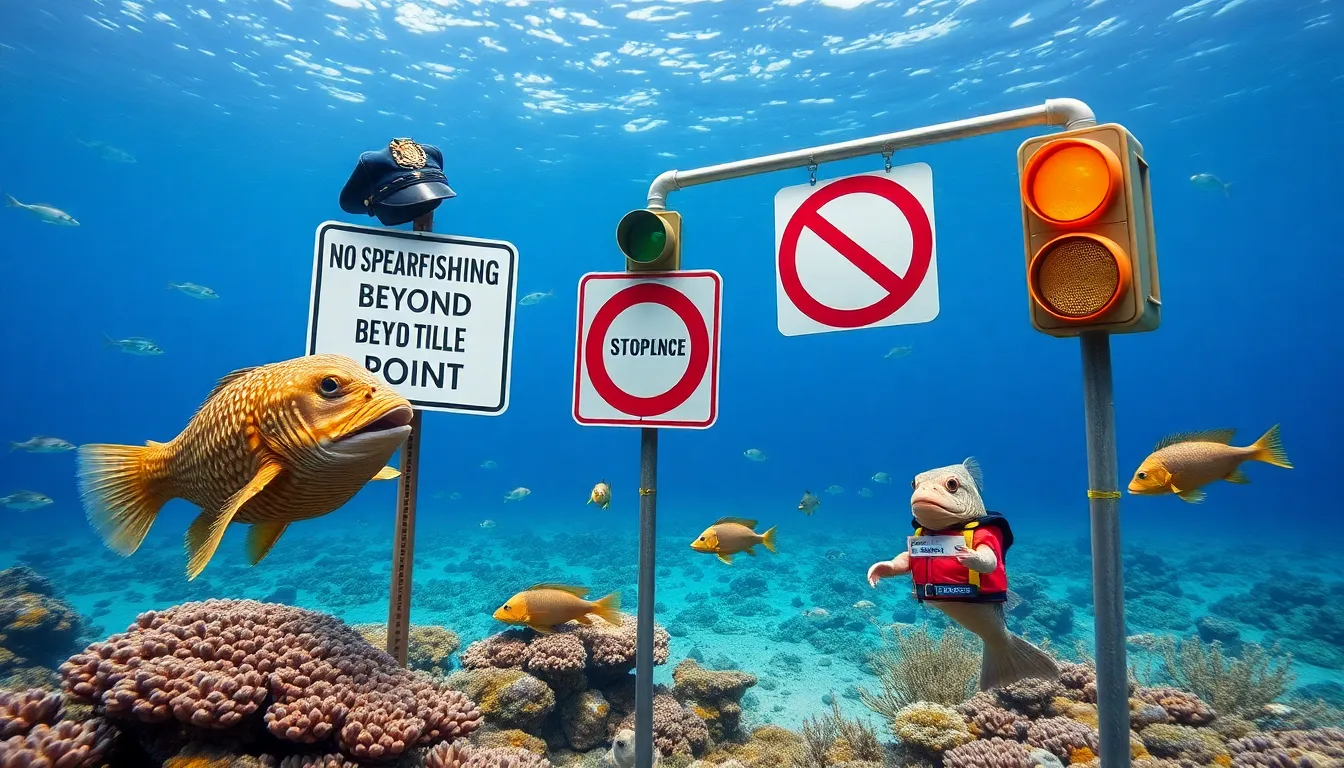
Spearfishing in Queensland is governed by specific regulations that apply to both residents and visitors engaging in this activity. Understanding the jurisdictional scope is crucial for compliance and conservation efforts. The regulations are enforced by the Queensland Department of Agriculture and Fisheries (DAF), which oversees marine activities, including reef fishing.
These regulations apply to all areas within Queensland’s territorial waters, extending from the coastline out to 3 nautical miles. It’s important to note that while many rules are consistent across the state, individual localities may have additional provisions or restrictions that must also be adhered to. Therefore, it is essential for spearfishers to familiarize themselves with both state and local regulations before embarking on their fishing endeavors.
Current Regulation Summary
The current regulations for spearfishing in Queensland encompass a variety of rules designed to protect marine biodiversity and ensure sustainable fishing practices. The primary regulations include:
- Licensing: All spearfishers must hold a current recreational fishing license, which can be obtained online or at designated outlets.
- Gear Restrictions: Specific types of spearfishing gear are permitted, including spear guns and polespears, while the use of certain devices such as scuba tanks is prohibited in designated areas.
- Target Species: There are restrictions on which species can be targeted, with some fish classified as protected or restricted, including certain types of reef fish and other marine life.
- Bag Limits: Each species has a defined bag limit to prevent overfishing, and these limits vary based on the species and the fishing zone.
- Size Limits: A minimum size limit exists for many target species to ensure juvenile fish can grow to maturity before being caught.
Compliance with these regulations is essential not only for the sustainability of fish populations but also for the legal protection of spearfishers.
Compliance Requirements Breakdown
To ensure full compliance with Queensland’s spearfishing regulations, spearfishers must adhere to several key requirements:
Licensing
Obtaining a recreational fishing license is the first step. This license must be presented upon request by enforcement officers. Ensure that the license is valid and renewed as necessary.
Knowledge of Local Regulations
In addition to state regulations, spearfishers must be aware of local rules that may impose additional restrictions. This can include no-take zones or seasonal closures to protect spawning populations. Always check local council guidelines.
Gear and Equipment Compliance
It is critical to use only approved spearfishing gear. Familiarize yourself with what is allowed and prohibited. Any modification to gear that alters its intended use or increases its lethality may constitute a violation.
Adhering to Size and Bag Limits
Spearfishers must measure all fish caught to ensure they meet minimum size requirements and must keep track of their total catch to comply with bag limits. Failure to do so may result in penalties or fines.
Penalty Structures and Enforcement
Non-compliance with spearfishing regulations in Queensland can lead to serious consequences. Penalties may include fines, confiscation of equipment, and, in severe cases, criminal charges. The following outlines the enforcement and penalty structures:
- Fines: Fines for violations can range from minor amounts for first-time offenders to substantial sums for repeat offenders or serious infringements.
- Equipment Confiscation: Authorities have the right to confiscate spearfishing gear used in the commission of an offense.
- Legal Action: Persistent offenders may face legal action, including court appearances and the potential for criminal records.
Regular inspections by fisheries officers ensure compliance, and it is crucial to be cooperative and transparent during any encounters with enforcement personnel.
Recent Changes and Updates
The regulations governing spearfishing in Queensland are subject to change, and it is important to stay informed about any new rules or amendments. Recent updates have included:
- Increased Size Limits: Some species have had their minimum size limits increased to enhance conservation efforts.
- New No-Take Zones: Additional areas have been designated as no-take zones to protect sensitive ecosystems, particularly during breeding seasons.
- Enhanced Penalties: The penalty structures for certain offenses have been revised to deter illegal activities more effectively.
Spearfishers are encouraged to check the Queensland DAF website regularly for the latest updates on regulations and guidelines.
Compliance Checklist and Guidelines
To assist spearfishers in ensuring compliance with Queensland’s regulations, here is a handy checklist:
- ✔ Hold a valid recreational fishing license.
- ✔ Familiarize yourself with local regulations and any specific rules for the area you plan to fish.
- ✔ Ensure your spearfishing gear is compliant with current regulations.
- ✔ Adhere to all size and bag limits for targeted species.
- ✔ Stay informed about any recent updates or changes to regulations.
- ✔ Be respectful and cooperative with enforcement officers during inspections.
Following this checklist will help ensure a safe and enjoyable spearfishing experience while also promoting sustainable fishing practices.
Official Resource Links
For further information and to access the most up-to-date regulations, the following resources are recommended:
- Queensland Department of Agriculture and Fisheries
- Queensland Fishing Regulations
- Queensland Government Official Website
Professional Consultation Recommendations
For those seeking personalized advice or facing complex legal issues related to spearfishing regulations, consulting a legal professional or a fisheries law expert is advisable. These professionals can provide tailored guidance based on individual circumstances and ensure compliance with all applicable laws.
Additionally, local spearfishing clubs or associations often have resources and knowledgeable members who can offer insights and recommendations regarding best practices and compliance.
In summary, understanding and adhering to Queensland’s spearfishing reef fishing rules is essential for responsible fishing and conservation efforts. By following the outlined regulations and utilizing available resources, spearfishers can contribute to the sustainability of marine ecosystems while enjoying this exhilarating sport.