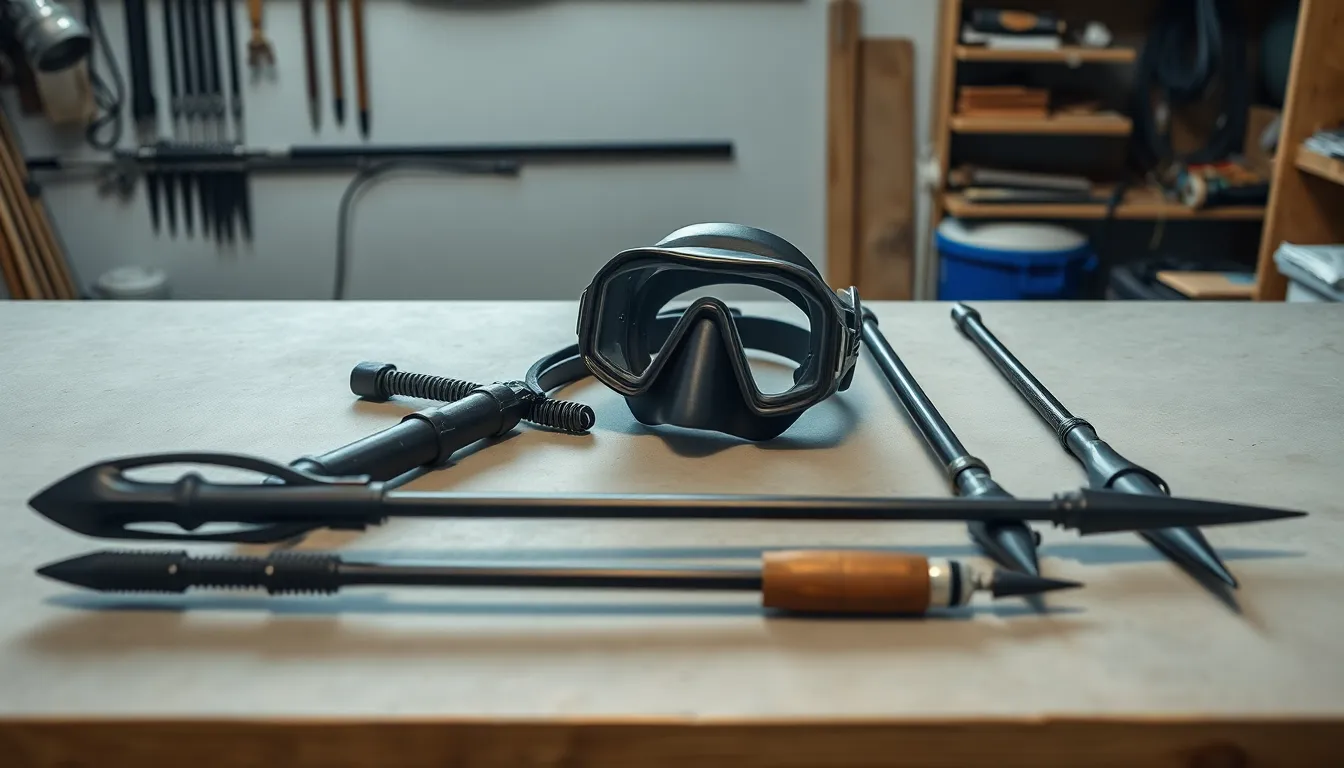
Have you ever wondered how spearfishing has transformed from a primitive survival skill into a modern sport that captures the hearts of adventurers worldwide? With roots dating back thousands of years, spearfishing has undergone remarkable technological transformations that have profoundly impacted how enthusiasts engage with the underwater world. Early spearfishers relied on handcrafted tools, but today’s technological advancements have led to sophisticated equipment that enhances accuracy, range, and efficiency. Among these advancements, two primary tools stand out: the polespear and the speargun. Understanding their evolution and modern features is crucial for anyone looking to select the right equipment that aligns with their needs, skill level, and fishing environment.
The polespear remains a popular choice for its simplicity, consisting of a long shaft equipped with a rubber band mechanism for propulsion. Its design has not changed significantly over the years, as it emphasizes ease of use and portability. In contrast, the speargun has gained traction in recent decades, characterized by a more complex design that incorporates a trigger mechanism, enhancing its power and range. This evolution has led to various types of spearguns, including pneumatic and band-powered models, catering to different spearfishing styles and conditions. By examining these tools in detail, spearfishers can make informed decisions that enhance their underwater experiences.
Key Differences Explanation
Understanding the key differences between polespears and spearguns is crucial for selecting the right tool for your spearfishing adventures. Below are some of the most prominent distinctions:
- Mechanism of Action: Polespears rely on a rubber band or elastic mechanism to launch the spear. This straightforward system allows for quick loading and firing, making it an excellent choice for quick bursts of action. In contrast, spearguns utilize a trigger mechanism combined with either elastic bands or pneumatic systems for propulsion, providing enhanced power and precision. Each mechanism offers unique benefits, making it essential for spearfishers to choose one that matches their skill level and hunting style.
- Range and Accuracy: Spearguns generally offer a greater range and improved accuracy due to their more advanced design. This allows experienced spearfishers to take shots from a distance, minimizing the risk of spooking fish. Polespears, while effective at close range, require the spearfisher to get closer to their target, which can be challenging, especially with skittish species. Knowing the typical range of your chosen tool can impact your success rate significantly.
- Ease of Use: Polespears are often considered easier to use for beginners. They require less technical knowledge, as mastering their operation involves a simple aim and release technique. On the other hand, spearguns may require a deeper understanding of mechanics and maintenance, which can pose a challenge for novices. Beginners should consider starting with a polespear to build confidence before transitioning to a speargun.
- Portability: Polespears are lightweight and easy to carry, making them ideal for travel and casual spearfishing excursions. They can easily fit into a backpack or be strapped to a dive bag. In contrast, spearguns can be bulkier, depending on the model, and may require special care during transport to avoid damage. If you plan to explore various locations, the portability of your equipment is a vital factor.
- Cost: Generally, polespears are more affordable than spearguns. This price difference makes polespears an attractive option for newcomers to the sport. Spearguns, particularly advanced models, can be a significant investment, often requiring a larger budget. Understanding your budget will help you make an informed decision about which equipment to purchase.
Feature Comparison Framework
When comparing polespears and spearguns, several features are critical to consider. The following comparison framework highlights these features:
| Feature | Polespear | Speargun |
|---|---|---|
| Propulsion Mechanism | Rubber band or elastic, allowing for easy loading and quick shooting. | Trigger mechanism with bands or pneumatic, providing enhanced power and precision. |
| Range | Short to medium range, suitable for close encounters with fish. | Medium to long range, ideal for targeting fish from a distance. |
| Accuracy | Depends on user skill; requires practice to improve. | High accuracy with practice; benefits from a steadier aim. |
| Weight | Lightweight; easy to carry for long periods. | Varies; can be heavier, especially for larger models. |
| Maintenance | Low maintenance; generally requires minimal care. | Higher maintenance required; involves regular checks and upkeep. |
| Price | Generally lower, making it accessible for beginners. | Can be high, depending on model and features, often requiring a larger investment. |
Analysis and Final Recommendation
When evaluating the comparison table, it’s clear that both polespears and spearguns have their unique advantages and limitations. For beginners or those who prioritize portability and cost-effectiveness, polespears are an excellent choice. Their simple design allows for quick learning and adaptation, making them ideal for casual spearfishing trips, especially in shallow waters.
Conversely, for seasoned spearfishers targeting larger species or those who frequently fish in varied environments, investing in a speargun may be worthwhile. The enhanced range and accuracy can significantly improve the success rate, especially under challenging conditions.
Ultimately, the decision between a polespear and a speargun should be based on personal preferences, fishing objectives, and environmental factors. A well-considered choice will lead to more enjoyable and fruitful spearfishing experiences.
Use Case Scenarios
Different spearfishing scenarios may call for different tools. Understanding the environment and the type of fish you are targeting can help determine whether a polespear or speargun is more suitable. Here are some common use case scenarios:
Shallow Water Spearfishing
In shallow waters, where fish may be skittish and quick to evade, a polespear can be advantageous. Its simplicity allows for stealthy movement and quick shots, which can be crucial in such environments. For example, when targeting species like snapper or grouper in reefs, using a polespear enables hunters to move quietly and blend into their surroundings, making it easier to get close enough for an effective shot. Additionally, the polespear’s lightweight design facilitates easy maneuverability, allowing spearfishers to navigate rocky terrains without the risk of getting snagged or tangled, which can happen more frequently with spearguns.
Deep Water Hunting
For deeper waters, a speargun is often preferred due to its longer range and increased power. Spearguns can effectively reach fish that are further away or deeper in the water column, making them more versatile for various hunting situations. For instance, when targeting larger pelagic species like tuna or mahi-mahi, the ability to shoot from a distance can prove invaluable. Using a speargun not only increases the likelihood of making a successful catch but also enhances safety by allowing the spearfisher to remain at a distance from potentially dangerous species. Additionally, many spearguns are designed with advanced features such as depth gauges or integrated buoyancy control, further enhancing their functionality in deep water environments.
Reef Fishing
When targeting fish in rocky or coral areas, a polespear may be less likely to get stuck compared to a speargun, which can have more complex mechanisms that may jam or become obstructed. A polespear allows for more precision in such environments, enabling hunters to navigate tight spots without the risk of damaging their equipment. For example, when stalking fish hiding in crevices or near coral formations, the simplicity of a polespear allows for a quieter approach, minimizing disturbances in the surrounding area. Moreover, polespears are less likely to cause damage to delicate ecosystems, as they do not have the mechanical components that can snag or break in coral, making them a more environmentally friendly option for reef fishing.
Advantages and Disadvantages
Both polespears and spearguns have their own set of advantages and disadvantages that should be carefully considered before making a purchase.
Polespear Advantages
Polespears offer several benefits that make them an attractive choice for many spearfishers. Firstly, their lightweight and portable design allows for easy transportation, making them ideal for travel and casual outings. For example, a spearfisher can pack a polespear in a suitcase or carry it in a kayak without worrying about excess weight. Secondly, the simple design of polespears requires minimal maintenance, making them a hassle-free option for those who may not have the time or expertise to care for more complex equipment. Additionally, polespears are generally more cost-effective for beginners, allowing newcomers to the sport to experiment without a significant financial commitment. Lastly, their stealthy approach to hunting is particularly beneficial in shallow waters where fish can easily be startled.
Polespear Disadvantages
Despite their advantages, polespears come with certain limitations. Their range is generally limited compared to spearguns, meaning that spearfishers must get closer to their targets, which can be risky, especially in waters with larger or more aggressive fish. Furthermore, polespears may be less effective for larger fish that require more power to secure a successful catch. Spearfishers targeting species like amberjack or barracuda may find that a polespear lacks the necessary propulsion and accuracy for effective hunting. Overall, while polespears have their strengths, they may not be the best choice for every scenario.
Speargun Advantages
Spearguns offer a range of advantages that cater to more experienced spearfishers or those seeking to target larger species. The primary benefit is the greater range and power that spearguns provide, allowing hunters to take shots from a distance, which can be crucial when dealing with fast-moving or wary fish. For example, when hunting for larger pelagic species like marlin, the ability to shoot accurately from a distance can significantly increase a spearfisher’s success rate. Additionally, spearguns generally offer improved accuracy, especially with practice and proper technique. With features such as stabilizers and adjustable sights, spearguns can enhance shooting precision, making it easier to hit targets accurately. Lastly, the versatility of spearguns allows them to be used in various environments, from open waters to deeper reefs.
Speargun Disadvantages
However, spearguns also come with their own set of disadvantages. One of the primary drawbacks is their weight and bulkiness, which can make them cumbersome to transport, especially for long distances. This can deter some spearfishers from using them during casual outings or multi-day trips. Additionally, the more complex mechanisms of spearguns require regular maintenance to ensure optimal performance, which can be a turn-off for those who prefer a low-maintenance option. Regular checks for wear and tear, cleaning of moving parts, and proper storage are essential to keeping a speargun in good working order. Lastly, the higher initial investment cost of spearguns can be a barrier for beginners who may not be ready to commit to a significant expenditure.
Selection Criteria Guidance
Choosing between a polespear and a speargun involves considering several factors. Here are key selection criteria to guide your decision:
- Experience Level: Your experience level plays a crucial role in determining which equipment to choose. Beginners may find polespears easier to manage, as they require less technical knowledge and offer a straightforward approach to hunting. Starting with a polespear allows novice spearfishers to build confidence and improve their skills before transitioning to the more complex mechanics of a speargun. On the other hand, experienced spearfishers may prefer the versatility and advanced features of a speargun, enabling them to tackle a wider range of species and environments.
- Target Species: Consider the types of fish you aim to catch. If targeting larger fish that require more power and precision, a speargun may be necessary to ensure successful catches. For example, if you’re planning to hunt species such as tuna or large snapper, a speargun’s enhanced range and power can make a significant difference. Conversely, for smaller fish in shallow waters, a polespear can be effective and provide a more enjoyable experience.
- Environment: Take into account the fishing environment you will be in. Polespears are typically better suited for rocky areas, where maneuverability and precision are essential. Their simplicity reduces the risk of getting snagged or obstructed. On the other hand, spearguns excel in open water, where their range and power can be fully utilized. Understanding the characteristics of the environment you’ll be fishing in will help you select the most appropriate tool.
- Budget: Determine your budget before making a purchase. Polespears are generally more affordable, making them a great entry point for beginners. This allows newcomers to test the waters of spearfishing without a hefty investment. In contrast, spearguns can vary widely in price, with high-end models costing significantly more. Weighing your budget against your needs will help you make an informed decision.
- Portability: If travel is a priority, polespears are easier to transport and store. Their lightweight design allows for hassle-free movement, making them ideal for spontaneous adventures. If you frequently travel to different fishing locations or enjoy multi-day trips, a polespear may be the more practical choice. Conversely, if you’re planning to fish in a familiar area and can transport larger gear, a speargun might be worth the extra effort.
Future Trends and Developments
The future of spearfishing technology is promising, with ongoing innovations aimed at improving user experience and performance. Here are some anticipated trends:
- Technological Integration: The integration of technology into spearfishing gear is on the rise, with advancements such as underwater cameras and GPS becoming more common. These tools can enhance the hunting experience by providing valuable information about fish behavior and locations, allowing spearfishers to make informed decisions. Imagine having a camera mounted on your speargun that streams live footage to your smartphone, giving you insights into the underwater landscape and helping you track your catch.
- Materials Advancements: The development of lighter and more durable materials for both polespears and spearguns could lead to improved performance and ease of use. For example, manufacturers are exploring advanced composites and alloys that offer greater strength without adding weight. This advancement not only enhances portability but also contributes to the longevity and reliability of the equipment, allowing spearfishers to focus on their experience rather than worrying about gear durability.
- Sustainability: As the focus on sustainable fishing practices grows, more manufacturers may prioritize environmentally friendly materials and production methods. This trend aligns with the increasing awareness of ocean conservation and the impact of fishing on marine ecosystems. Spearfishing gear made from recycled or biodegradable materials could become more prevalent, appealing to environmentally conscious consumers who wish to minimize their ecological footprint.
- Customization: The trend towards personalization may lead to more customizable options for both polespears and spearguns, allowing spearfishers to tailor their equipment to specific needs. Custom grips, length adjustments, and interchangeable parts could become standard features, enabling each user to create a setup that feels comfortable and enhances their performance. This level of customization can significantly improve the overall spearfishing experience, boosting confidence and success.
Conclusion: Choosing the Right Tool for Your Spearfishing Journey
In conclusion, the choice between a polespear and a speargun ultimately depends on your personal preferences, experience level, and the specific fishing environments you plan to explore. Polespears provide a user-friendly and cost-effective entry point for beginners, while spearguns offer the advanced features and power needed for more experienced hunters. By understanding the key differences, advantages, and disadvantages of each tool, you can make an informed decision that enhances your spearfishing adventures.
As you embark on your spearfishing journey, consider the scenarios you may encounter, the fish you wish to target, and your budget. Remember, the right equipment can transform your underwater experience, allowing you to connect with nature and enjoy the thrill of the hunt. Take the time to research and explore your options; your next fishing trip could lead to unforgettable memories and incredible catches. Happy spearfishing!