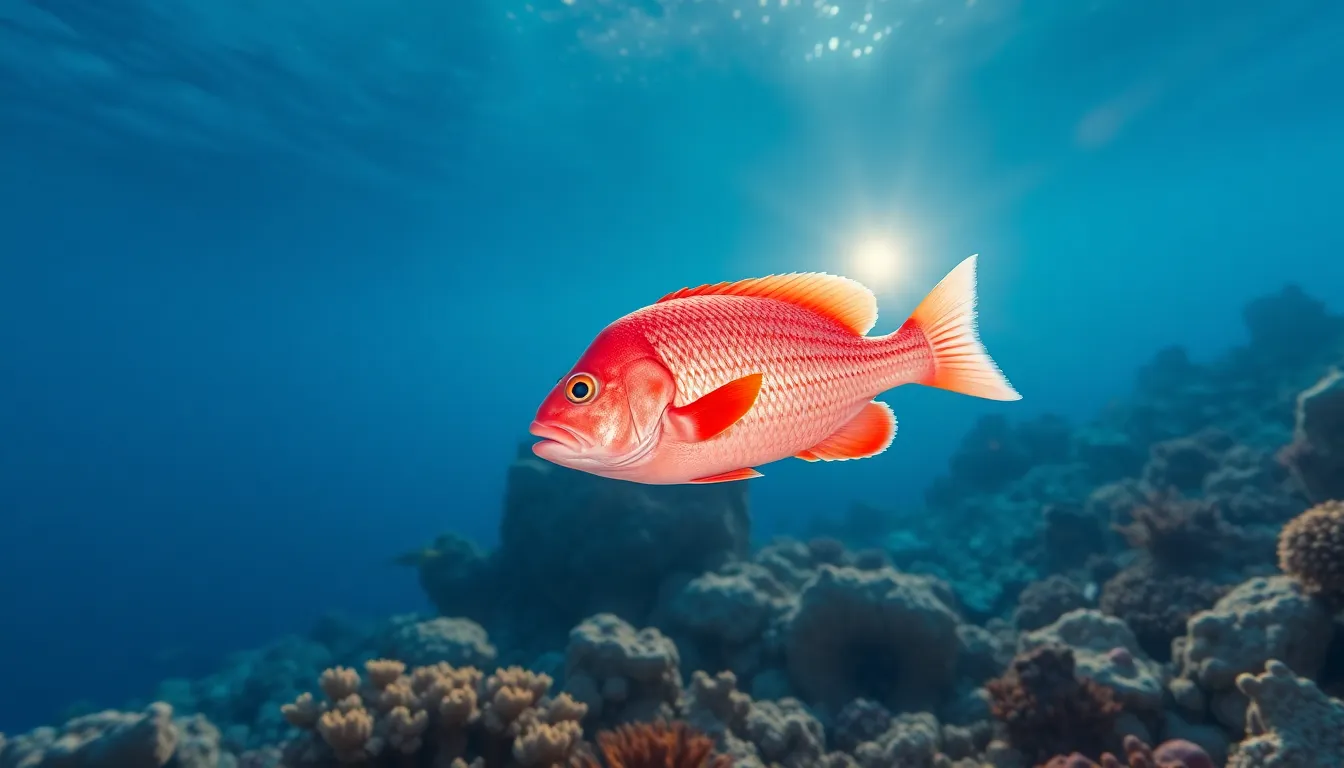
The Pargo rojo, scientifically known as Lutjanus campechanus, belongs to the family Lutjanidae, which encompasses the snappers. This species is commonly referred to as the red snapper in English-speaking regions, but it is also known by various names in different cultures, including “pargo” in Spanish. Its classification is as follows:
- Kingdom: Animalia
- Phylum: Chordata
- Class: Actinopterygii
- Order: Perciformes
- Family: Lutjanidae
- Genus: Lutjanus
- Species: L. campechanus
Physical Description and Identification Markers
The pargo rojo is characterized by its distinctive physical features that make it relatively easy to identify. Adult specimens typically exhibit:
- Coloration: A vibrant reddish-pink hue, which can fade to a lighter shade or appear brownish in deeper waters.
- Body Shape: An elongated, compressed body that is streamlined for efficient swimming.
- Head: A relatively large head with a pointed snout, featuring a prominent lower jaw.
- Fins: A long dorsal fin that extends along the back, and a forked caudal fin that aids in swift movement.
Juvenile Lutjanus campechanus often display horizontal stripes, which fade as they mature. This morphological change is essential for identification during the early stages of their lifecycle.
Size Ranges and Record Specimens
The pargo rojo can grow to significant sizes, making it a sought-after target for spearfishers. Typically, adults range from:
- Length: 20 to 39 inches (50 to 100 cm)
- Weight: 4 to 40 pounds (2 to 18 kg)
The record specimen caught weighed an astonishing 50 pounds (22.7 kg) and measured 45 inches (114 cm), showcasing the potential size of this impressive species.
Habitat Distribution and Depth Ranges
The Pargo rojo is predominantly found in the warm waters of the Gulf of Mexico and the Caribbean Sea. Its habitat typically consists of:
- Preferred Depth: 30 to 600 feet (9 to 183 meters), with adults often residing deeper than juveniles.
- Environment: Rocky bottoms, coral reefs, and near structures like shipwrecks, where they can find ample hiding spots and prey.
Understanding their habitat is crucial for effective spearfishing, as they tend to congregate around structures that provide shelter and hunting opportunities.
Seasonal Behavior and Migration Patterns
The seasonal behavior of Lutjanus campechanus varies throughout the year, influenced by factors such as spawning cycles and water temperature. Key patterns include:
- Spawning Season: Typically occurs in late spring to early summer, when they migrate to shallower waters to spawn.
- Migration: While generally sedentary, larger populations may migrate to deeper waters during colder months to seek warmer temperatures.
These behaviors are essential for fishermen to consider when planning their hunting trips, as they dictate where the fish are likely to be located at different times of the year.
Spearfishing Difficulty Level and Techniques
When it comes to spearfishing for Pargo rojo, the difficulty level can vary based on several factors, including depth, visibility, and fish behavior. Generally, the difficulty can be rated as:
Difficulty Level: Moderate to High
The following techniques are recommended for successful hunting:
- Stalking: Approach slowly and stealthily to avoid spooking the fish.
- Use of Flashers: Employ flashers to attract the fish closer to your shooting range.
- Depth Control: Be mindful of your depth; use a buoy to maintain position while observing.
Moreover, understanding their feeding patterns can greatly enhance your chances of a successful catch, as they are often found hunting in pairs or small schools.
Best Hunting Methods and Gear Recommendations
To effectively hunt Lutjanus campechanus, the right equipment and methods are crucial. Recommended gear includes:
- Speargun: A mid to long-range speargun with a suitable shaft for deep-water hunting.
- Wetsuit: A thick wetsuit to protect against cold water and potential coral cuts.
- Weight System: A balanced weight system to help you descend quickly and maintain position.
In addition, employing techniques such as diving with a buddy and using dive computers can enhance safety and effectiveness in the water.
Culinary Applications and Preparation Methods
The pargo rojo is not only a prized catch for its sporting value but also for its culinary appeal. The flesh is firm, white, and has a mild flavor, making it versatile for various cooking methods:
- Grilling: Perfect for marinating and grilling whole or filleted.
- Baking: Often baked with a drizzle of olive oil and herbs for a flavorful dish.
- Frying: Can be lightly battered and fried for a crispy texture.
Popular recipes include pargo al mojo de ajo (snapper in garlic sauce) and pargo a la sal (salt-crusted snapper), which highlight the fish’s delicate flavor.
Regulatory Status and Size Limits by Region
It is essential for spearfishers to be aware of the regulatory status of Lutjanus campechanus in their respective regions. Regulations may include:
- Size Limits: Commonly, a minimum size limit of 16 inches (40 cm) applies.
- Bag Limits: Some regions impose a daily bag limit, often set at 2 to 3 fish per person.
Always check local regulations before embarking on a spearfishing trip to ensure compliance and sustainability.
Conservation Status and Sustainability Notes
The conservation status of Pargo rojo is of significant concern due to overfishing and habitat degradation. Currently, the species is listed as:
Conservation Status: Near Threatened
To promote sustainability, it is recommended that spearfishers practice:
- Selective Harvesting: Targeting larger individuals and allowing smaller ones to mature.
- Habitat Protection: Supporting marine protected areas to preserve essential fish habitats.
By being mindful of these practices, spearfishers can contribute to the conservation of this magnificent species while enjoying the sport.