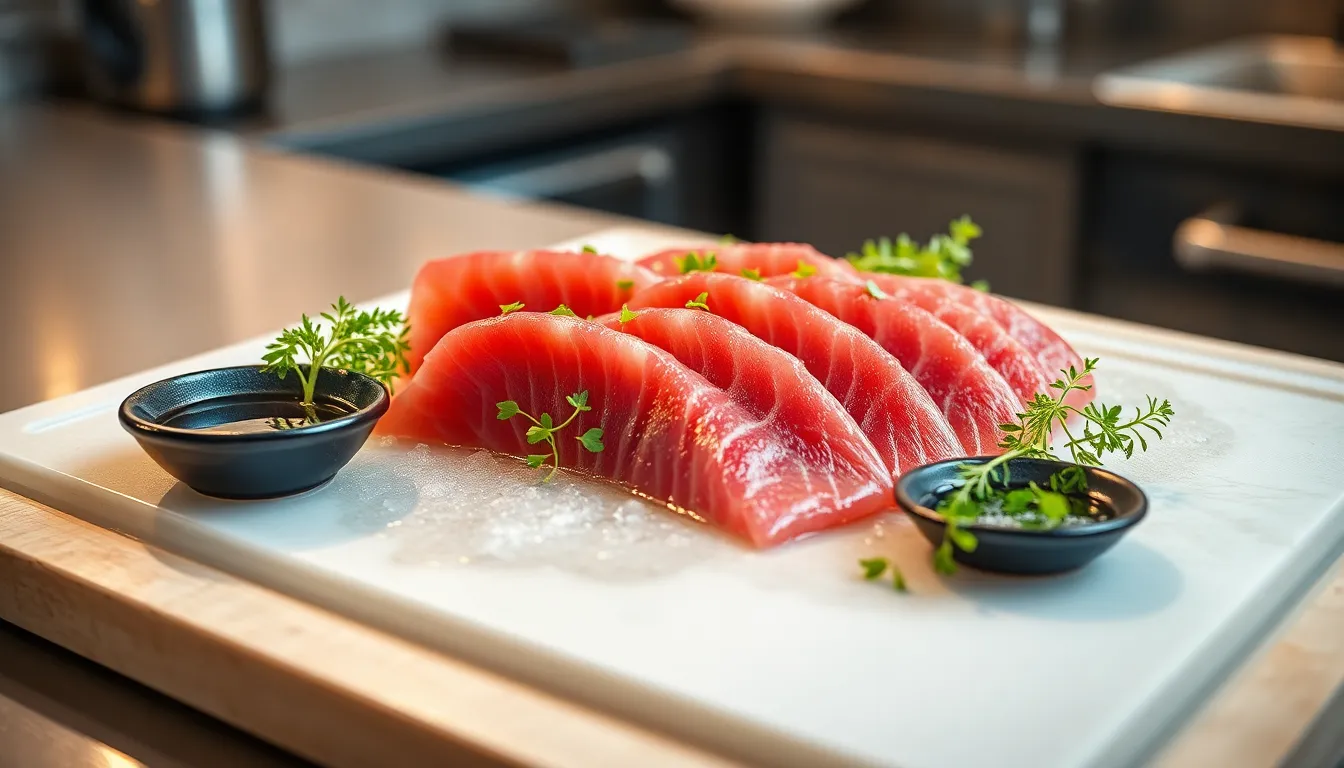
Have you ever tasted sashimi that transports you to the ocean with just one bite? Wahoo sashimi is a culinary gem that showcases the delicate flavors of wahoo, a prized fish revered for its firm, flaky flesh. This dish is not only visually stunning with its beautiful presentation but also offers a flavor profile that is both clean and rich. When prepared correctly, wahoo sashimi melts in your mouth, delivering a fresh taste of the sea that is difficult to replicate. In this comprehensive guide, we will walk you through each step to create perfect wahoo sashimi at home, providing you with the knowledge and skills to impress your friends and family with this exquisite dish. Whether you are looking for an elegant appetizer for a dinner party or a light meal to enjoy on a warm day, this sashimi will undoubtedly be a highlight.
Ingredient/Component Selection Criteria
Choosing the right ingredients is crucial for making delicious wahoo sashimi. Here’s what you need to consider:
- Freshness: Always opt for the freshest wahoo available. Fresh fish has clear, bright eyes and shiny skin, indicating quality and vitality. Additionally, the flesh should be firm to the touch, and there should be no discoloration or browning. When you select your fish, don’t hesitate to ask the fishmonger about the catch date to ensure you are getting the freshest option available. Remember, the quality of your sashimi hinges on the freshness of the fish.
- Quality: It is essential to source your wahoo from a reputable seafood market or a trusted spearfishing source. High-quality wahoo is typically wild-caught, as farmed varieties may not have the same flavor profile. Research local fisheries or markets that prioritize sustainability and ethical fishing practices. Consider asking about the handling and storage methods used, as these factors greatly impact the fish’s quality and safety.
- Accompaniments: While wahoo sashimi is delightful on its own, consider additional ingredients such as soy sauce, wasabi, and pickled ginger. These accompaniments can significantly enhance the sashimi experience, offering contrasting flavors that elevate the dish. For an added twist, try incorporating citrus zest or a sprinkle of sea salt to bring out the natural sweetness of the fish.
Required Tools and Equipment
To prepare wahoo sashimi, you will need the following tools and equipment:
- Sharp Knife: A high-quality sashimi knife or a very sharp chef’s knife is essential for clean cuts. A sharp knife allows for precise slicing, which is vital for maintaining the integrity of the delicate fish. Consider investing in a specialized sashimi knife, known as a yanagiba, which is designed for making long, single cuts through fish, ensuring a smooth presentation.
- Cutting Board: Use a clean, non-porous cutting board to prevent contamination. Opt for a wooden or plastic board that is easy to sanitize. A dedicated cutting board for fish is advisable to avoid cross-contamination with other foods. Make sure to wash and dry your cutting board thoroughly before preparing the sashimi to ensure optimal hygiene.
- Fish Tweezers: These are handy for removing any bones that may remain in the fillet. After filleting the fish, run your fingers along the flesh to identify any pin bones, and use the tweezers to remove them. This step is crucial as it enhances the overall eating experience by preventing any unpleasant surprises while enjoying the sashimi.
- Serving Platter: A chilled platter will keep the sashimi fresh and visually appealing. Presentation matters with sashimi, so select a platter that showcases the vibrant colors of the fish. Chilling the platter prior to serving helps maintain the sashimi’s temperature, ensuring that it remains fresh and delicious for your guests.
Preparation Timeline and Planning
Proper planning is key to making wahoo sashimi. Here’s a suggested timeline:
- 30 Minutes Before Serving: Gather all your tools and ingredients. Ensure your knife is sharpened and your cutting board is clean. This preparatory step allows you to work efficiently and systematically, minimizing the risk of mistakes and ensuring a smooth cooking experience.
- 15 Minutes Before Serving: Slice the wahoo fillets into sashimi portions. Keep them chilled until ready to serve. This timing is crucial because sashimi is best enjoyed fresh. If the fish warms up too much, it can lose its desirable texture and flavor. Consider using a plate placed over ice to keep the slices cool during this time.
- 5 Minutes Before Serving: Prepare accompaniments like soy sauce and wasabi, and arrange the sashimi on a platter for presentation. This last-minute preparation allows you to focus on the visual appeal of the dish, ensuring that every element is in place for an impressive presentation.
Step-by-Step Detailed Instructions
Step 1: Selecting and Preparing the Wahoo
Start by selecting a fresh wahoo fillet. If you have caught the fish yourself, ensure it is cleaned and gutted properly. Rinse the fillet under cold water to remove any residual blood or slime, and pat it dry with a clean towel. This step is crucial as it not only improves the fish’s appearance but also prepares it for slicing by removing any unwanted textures. Always use cold water during the rinsing process to keep the fish at a safe temperature, preserving its quality and flavor.
Step 2: Filleting the Wahoo
Using your sharp knife, carefully fillet the wahoo. Start at the head and slice down along the spine, cutting through to the bones. It’s important to maintain a steady hand and to use a smooth, controlled motion to avoid tearing the flesh. Once you have one side filleted, repeat on the other side. You should be left with two clean fillets. Be mindful of the bones during this process, as any remaining bones can affect the quality of the sashimi. If you are unsure about filleting, consider watching tutorial videos or seeking help from an experienced fishmonger for guidance.
Step 3: Removing the Skin
Place the fillets skin-side down on the cutting board. Starting at one end, run your knife between the flesh and the skin, angling it slightly downward. Pull the skin taut as you slice to ensure a clean separation. This method minimizes waste and maximizes the yield of your fillet. It’s best to take your time with this step; rushing can lead to tearing the flesh or uneven cuts. A slight angle on your knife helps create a clean break, improving the presentation of your final sashimi.
Step 4: Cutting the Sashimi
Once the skin is removed, cut the fillet into sashimi slices. Aim for pieces that are about 1/4 inch thick. Use a single, smooth motion to avoid tearing the flesh. This technique not only preserves the integrity of the fish but also enhances the overall eating experience. Consider cutting at a slight angle to create larger surface areas for better flavor absorption. For a professional touch, arrange the slices in a fan shape on the serving platter, which adds an artistic element to your presentation.
Step 5: Arranging for Serving
Arrange the sashimi slices on a chilled platter in an overlapping pattern. This not only enhances the visual appeal but also makes it easy for guests to pick up pieces. Consider garnishing the platter with edible flowers, microgreens, or thinly sliced vegetables to elevate the presentation. A well-arranged platter not only showcases your culinary skills but also entices your guests, making the sashimi experience even more enjoyable. Remember to serve with small dishes of soy sauce, wasabi, and pickled ginger for dipping, ensuring a complete flavor experience.
Quality Indicators and Checkpoints
To ensure your wahoo sashimi is of the highest quality, look for the following indicators:
- Color: The flesh should be a vibrant pink to light red, indicating freshness. A dull or grayish hue can suggest that the fish is past its prime. When selecting your wahoo, don’t hesitate to ask the vendor about the source and freshness to guarantee the best quality. Fresh fish not only tastes better but also has a more appealing appearance, enhancing the overall dining experience.
- Texture: Fresh sashimi should feel firm and not slimy. The texture should be smooth, indicating that the fish has been properly handled. If the flesh feels mushy or sticky, it may be a sign of spoilage. Always trust your senses; a tactile inspection can help you determine the quality of the fish before you begin preparation.
- Odor: There should be no strong fishy smell. Fresh wahoo should have a mild ocean scent. If the fish emits a pungent odor, it is best to avoid it. A pleasant, clean smell is indicative of freshness and proper handling, ensuring that your sashimi will taste as good as it looks.
Serving, Presentation, or Finishing Tips
Presentation is key when serving wahoo sashimi. Here are some tips:
- Garnishes: Add garnishes like microgreens, edible flowers, or thinly sliced radishes to enhance the visual appeal. These elements not only make the dish more attractive but can also add subtle flavors and textures that complement the fish. Consider incorporating vibrant colors to create a feast for the eyes as well as the palate.
- Accompaniments: Serve with small dishes of soy sauce, wasabi, and pickled ginger to complement the sashimi. These traditional accompaniments provide contrasting flavors that enhance the sashimi experience. You can also offer variations such as spicy mayo or a citrus ponzu sauce for guests who enjoy a twist on classic flavors.
- Chilled Platters: Serve on a chilled platter to keep the sashimi fresh and cool. You can chill the platter by placing it in the freezer for a short period or serving it over a bed of ice. Maintaining a cool temperature is crucial for preserving the flavor and texture of the sashimi, making it a refreshing dish that delights the senses.
Storage, Preservation, or Maintenance
Fresh wahoo sashimi is best consumed immediately; however, if you have leftovers, follow these guidelines:
- Refrigeration: Store any leftover sashimi in an airtight container in the refrigerator. It is best consumed within 24 hours to ensure optimal freshness and flavor. When storing, make sure the container is sealed tightly to prevent exposure to air, which can cause the fish to spoil more quickly. Always label the container with the date to keep track of freshness.
- Freezing: If you need to store it longer, consider freezing the fillets. Wrap them tightly in plastic wrap and place them in a freezer-safe bag. Use within three months for optimal quality. Thaw the fish in the refrigerator overnight before using, and avoid refreezing once it has been thawed to maintain the integrity of the fish.
Variations and Customization Options
Wahoo sashimi is versatile, and you can customize it in several ways:
- Sauces: Experiment with different dipping sauces such as ponzu, spicy mayo, or a citrus vinaigrette. Each sauce can impart a unique flavor profile, enhancing your sashimi experience. For example, ponzu adds a tangy depth, while spicy mayo can introduce a creamy heat that complements the fish beautifully.
- Toppings: Add toppings like sesame seeds, sliced scallions, or a drizzle of truffle oil for added flavor. These toppings can provide additional texture and elevate the dish’s sophistication. For an elegant touch, consider using flavored oils or infused salts to create a gourmet experience.
- Pairings: Serve sashimi with side dishes like seaweed salad, cucumber salad, or rice for a full meal. These sides not only complement the sashimi but also provide a balanced meal. A refreshing seaweed salad can enhance the umami flavor of the fish, while rice can serve as a neutral base that allows the sashimi to shine.
Conclusion
In summary, preparing wahoo sashimi is an art that combines careful selection, expert techniques, and beautiful presentation. By focusing on the quality of your ingredients and honing your slicing skills, you can create an unforgettable dish that impresses anyone lucky enough to taste it. Remember to prioritize freshness and quality when selecting your wahoo, and don’t shy away from experimenting with sauces and garnishes to enhance the overall experience. As a final piece of advice, practice makes perfect; the more you prepare sashimi, the more confident you will become in your skills. So gather your tools, invite some friends, and enjoy the delicious journey of making wahoo sashimi at home!