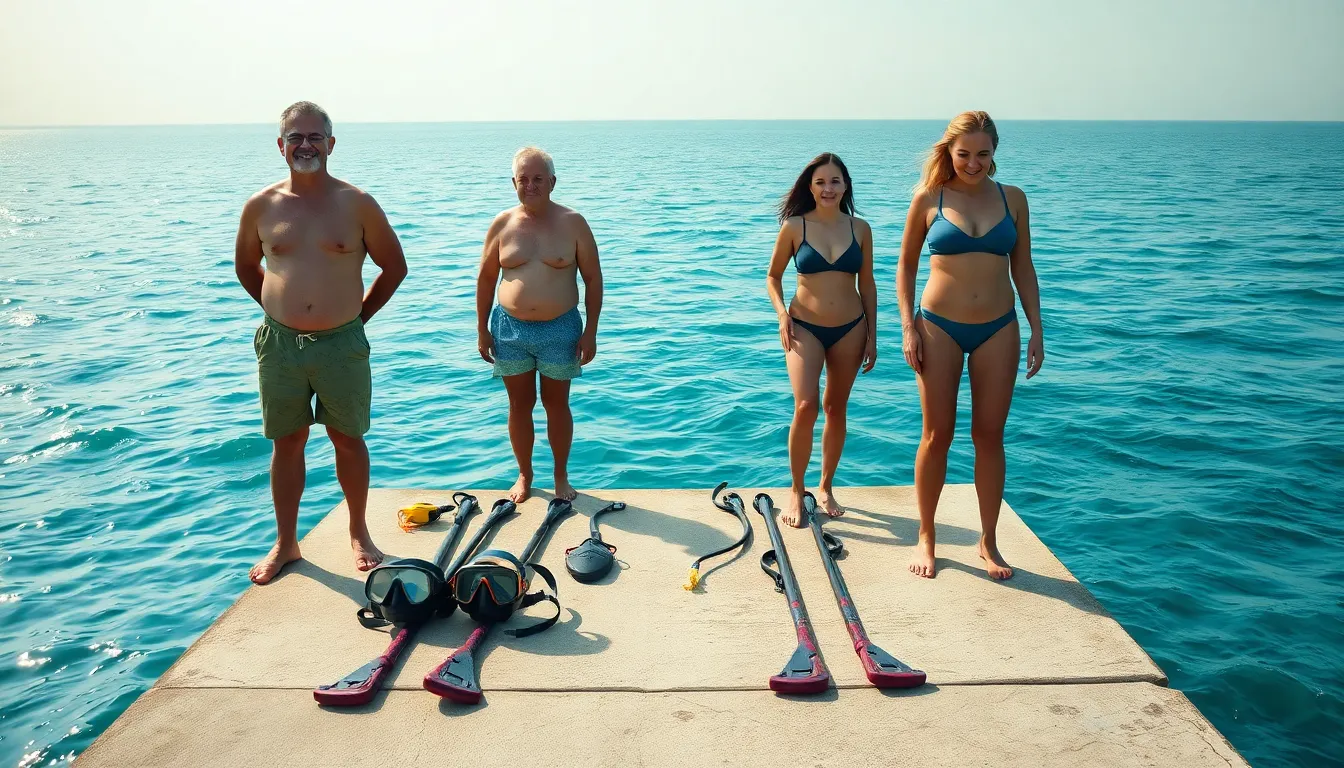
Have you ever wondered what it feels like to dive beneath the waves, surrounded by vibrant marine life, and hunt for your dinner? Spearfishing is not just a sport; it’s an adventure that brings you intimately close to the underwater world. Whether you’re a thrill-seeker looking to test your limits or a nature enthusiast wanting to connect with ocean life, spearfishing offers an unparalleled experience. However, embarking on this underwater hunting journey requires knowledge and skill. This is where the 2Cool fishing spearfishing section becomes an invaluable resource. Within these pages, you’ll find essential tips, insights, and techniques that can dramatically enhance your spearfishing experience. By understanding the intricacies of this sport, you’ll not only increase your chances of a successful catch but also deepen your appreciation for the delicate balance of marine ecosystems.
Key Concepts and Important Points
Understanding Spearfishing
Spearfishing is the practice of hunting fish underwater using a spear or speargun, a method that dates back thousands of years to ancient civilizations. Unlike traditional fishing methods that rely on bait and hooks, spearfishing requires divers to possess a unique set of skills, including strong swimming abilities, breath-holding techniques, and a fundamental understanding of marine biology and fish behavior. The 2Cool fishing spearfishing section is rich with resources designed to assist both beginners and seasoned divers in refining their skills. Through this platform, users can access articles on everything from basic techniques to advanced strategies, ensuring that every spearfisher can find the information they need to succeed and enjoy their time in the water.
Equipment Essentials
- Spearguns: Selecting the right speargun is vital for effective spearfishing. Different spearguns cater to various target species and diving conditions. For instance, a pneumatic speargun offers quick firing capabilities ideal for hunting fast-moving fish, while a railgun is better suited for larger fish in deeper waters. It’s essential to understand your target species’ size and behavior, as well as the diving environment, to make an informed choice. Always consider the range and accuracy the speargun offers, as these factors will heavily influence your success.
- Wetsuits: A well-fitted wetsuit serves multiple purposes—it provides thermal insulation, protecting you from cold water, and safeguards against sharp corals and marine life. Wetsuits come in various thicknesses, so it’s important to choose one that matches the water temperature of your diving location. In warmer waters, a thinner wetsuit or even a shorty may suffice, while colder waters will require a thicker suit with additional insulation. Additionally, wetsuits can help with buoyancy, allowing for more effortless movement in the water.
- Fins: Good fins are crucial for maneuverability and speed underwater. When selecting fins, consider the type of diving you’ll be doing—free diving or scuba diving—as this can influence the design you need. Longer fins provide greater propulsion with less effort, making them ideal for deeper dives, while shorter fins offer better control for shallower waters. Opt for fins that fit comfortably and have adjustable straps to ensure they stay securely in place during your dives.
- Mask and Snorkel: A comfortable-fitting mask and snorkel are essential for clear visibility and easy breathing while diving. Look for masks that offer a wide field of vision and a good seal to prevent water from leaking in. The snorkel should have a comfortable mouthpiece and a purge valve to easily expel any water that may enter. Properly adjusting and maintaining this equipment is crucial, as any discomfort can distract you from your focus on hunting and enjoying your underwater experience.
Detailed Explanation and Analysis
Techniques for Successful Spearfishing
Mastering various techniques is crucial for successful spearfishing. The 2Cool fishing spearfishing section emphasizes the following methods:
- Stalking: Stalking involves moving slowly and quietly through the water to avoid startling fish. This technique requires patience and control, as sudden movements can scare fish away. Divers should focus on their breathing and stay calm to minimize noise. A practical tip is to practice buoyancy control, allowing you to hover silently in the water as you observe fish behavior. Using natural cover like rocks or coral can also help conceal your presence, increasing your chances of getting close to your target.
- Ambush: Finding a good hiding spot near reefs or underwater structures significantly increases your chances of catching fish. The key to a successful ambush is to identify areas where fish gather, such as around coral formations or wrecks. By positioning yourself strategically, you can wait for fish to swim into your line of sight. It’s essential to remain still and blend into your surroundings to avoid detection. Consider using camouflage wetsuits or gear that matches the underwater environment to enhance your chances of success.
- Tracking: Understanding fish behavior and movements allows divers to anticipate where fish will be. This technique involves observing feeding patterns, migration routes, and the time of day when fish are most active. For example, many species are more active during dawn and dusk, making these prime times for spearfishing. Keeping a log of your observations can help you identify trends and improve your strategy over time. Additionally, learning about the specific species you are targeting can provide insights into their habits and preferences, further increasing your chances of a successful catch.
Safety Measures
Safety should always be a priority in spearfishing. The section highlights several important safety measures that every diver should adhere to:
- Dive with a buddy: Having a partner is essential for safety and assistance in emergencies. A buddy can help monitor your air supply, assist in retrieving gear, and provide support in case of injury or distress. Establishing clear communication signals before diving can enhance safety, ensuring both divers are aware of each other’s intentions. Additionally, a buddy can help keep an eye on potential dangers, such as strong currents or marine life, allowing for a more enjoyable and secure experience.
- Stay within your limits: It’s critical to know your physical limits and not push yourself beyond them. Spearfishing requires a combination of physical fitness, breath control, and mental focus. Understand your diving capabilities, and if you’re feeling fatigued or uncomfortable, it’s best to end the dive rather than risk injury or accidents. Gradually increase the depth and duration of your dives as you gain experience and confidence, and always listen to your body’s signals.
- Check equipment: Regularly inspecting your gear is essential to ensure it is in good working order. Before each dive, double-check your speargun, wetsuit, mask, fins, and snorkel for any signs of wear or damage. Ensure all components are functioning correctly and that you have all necessary safety equipment, such as a diving knife and float. Familiarizing yourself with your gear can help you respond quickly and effectively in case of any issues during the dive.
Practical Applications and Examples
Choosing the Right Location
Different locations offer varied experiences and challenges in spearfishing. The 2Cool fishing spearfishing section provides insights into selecting the best spots:
- Reefs: These areas are typically bustling with marine life, making them excellent for spearfishing. Coral reefs serve as habitats for a wide variety of fish and other marine organisms. When choosing a reef, consider factors such as water clarity and the time of day, as these can influence fish activity levels. Additionally, familiarize yourself with the local marine regulations regarding reef fishing to ensure sustainable practices that protect these fragile ecosystems.
- Open Water: While challenging, open water can yield larger fish. However, it also poses risks, such as stronger currents and deeper water. Experienced divers may prefer open water for its thrill and the opportunity to target larger species like tuna or marlin. If you’re venturing into open waters, it’s crucial to be aware of your surroundings and have a reliable navigation system. Always ensure that you have the necessary skills and experience before exploring these areas to minimize risks.
- Coastal Areas: Shallow waters often provide opportunities for beginners. Coastal areas, especially around estuaries or rocky shorelines, are generally more accessible and can offer excellent fishing spots. These locations are often teeming with smaller fish and can be less intimidating for novice spearfishers. When starting out, choose calmer, shallower waters to build confidence and practice your techniques without the pressures of deeper dives.
Seasonal Considerations
Understanding the seasonal patterns of fish can significantly impact your success rate. The 2Cool fishing section discusses important factors to consider:
- Migration Patterns: Knowing when fish migrate can help you plan your trips accordingly. Many species follow seasonal migration routes influenced by breeding cycles, water temperature, and food availability. For example, certain fish might be more abundant in specific locations during particular seasons, allowing you to target them effectively. Researching these patterns can enhance your planning, ensuring you’re in the right place at the right time for optimal results.
- Breeding Seasons: Being aware of breeding times can help you avoid overfishing during sensitive periods. Many regions have regulations in place to protect spawning fish, and respecting these guidelines is crucial for sustainable fishing practices. Engaging in responsible fishing means you can contribute to the health of fish populations and marine ecosystems. Additionally, understanding breeding seasons allows you to adjust your strategies, targeting fish when they are most plentiful and avoiding areas where fishing may be restricted.
Benefits and Considerations
Benefits of Spearfishing
Spearfishing offers numerous benefits that extend beyond the thrill of the hunt. Here are some key advantages:
- Physical Fitness: Spearfishing requires swimming and diving, providing an excellent workout that engages multiple muscle groups. This sport enhances cardiovascular fitness, improves stamina, and builds core strength, making it a fun way to stay active. Additionally, the act of free diving emphasizes breath control and lung capacity, further contributing to overall physical health. Many spearfishers find that their fitness levels improve significantly over time as they engage in this demanding yet enjoyable activity.
- Mental Well-being: The experience of being underwater and connecting with nature can be incredibly meditative. Spearfishing allows individuals to escape the chaos of daily life, fostering tranquility and mindfulness as they immerse themselves in the marine environment. The rhythmic movement of swimming combined with the serene beauty of underwater landscapes can reduce stress and promote mental clarity. Practicing spearfishing can serve as a form of therapy, providing mental rejuvenation and a sense of purpose.
- Fresh Catch: Spearfishing provides access to fresh and healthy seafood, allowing enthusiasts to enjoy the fruits of their labor. Unlike store-bought fish, spearfished catches are often fresher and free of harmful additives or preservatives. Harvesting your seafood also offers a unique sense of satisfaction, knowing you’ve sourced your meal sustainably. Moreover, spearfishing encourages a deeper appreciation for marine ecosystems, as divers become more aware of the importance of sustainable fishing practices and environmental conservation.
Considerations Before Diving In
While the benefits of spearfishing are numerous, there are also key considerations to keep in mind before diving in:
- Local Regulations: Always be aware of local fishing laws to ensure sustainable practices. Different regions have specific regulations regarding species quotas, size limits, and protected areas. Familiarizing yourself with these rules is essential for ethical fishing and helps protect marine life. Engaging with local fishing communities or authorities can provide valuable information on best practices and legal requirements, ensuring that your spearfishing activities are responsible and compliant.
- Environmental Impact: Practice eco-friendly techniques to protect marine ecosystems. This includes avoiding overfishing and being mindful of the habitats you disturb while diving. Implementing sustainable practices, such as targeting invasive species, can help maintain the balance of marine life. Additionally, being conscious of your carbon footprint when traveling to and from dive sites can contribute to broader conservation efforts. Embracing a mindset of stewardship towards the oceans is essential for the future of spearfishing.
- Skill Development: Continuous learning and practice are vital for improvement. Spearfishing is a skill that takes time to master, and ongoing education can help divers refine their techniques and enhance their knowledge. Consider attending workshops, seeking mentorship from experienced divers, or participating in local clubs to gain insights and tips. Regular practice will not only build confidence but also improve your overall success rate and enjoyment of the sport.
Related Topics and Connections
Community Engagement
Joining a community of spearfishers can significantly enhance your experience. The 2Cool fishing section encourages participation in local clubs and online forums where enthusiasts share tips, experiences, and advice. Engaging with fellow spearfishers provides opportunities to learn from others, discover new locations, and gain insights into local regulations and best practices. Moreover, participating in community events and competitions can foster camaraderie and a sense of belonging, enriching your overall experience in the sport.
Conservation Efforts
Understanding the importance of conservation in spearfishing is crucial. Engaging in responsible fishing practices helps preserve marine biodiversity and ensures sustainable fishing for future generations. Many organizations and initiatives focus on ocean conservation, and by getting involved, you can contribute to preserving marine ecosystems. This includes participating in beach cleanups, supporting marine protected areas, and advocating for sustainable fishing practices. By aligning your spearfishing activities with conservation efforts, you can play an active role in protecting the oceans you love.
Conclusion and Key Takeaways
Mastering spearfishing requires a combination of skill, knowledge, and respect for the marine environment. The 2Cool fishing spearfishing section offers invaluable tips that can help both beginners and experienced divers improve their technique and safety. Key takeaways include understanding your equipment, perfecting your techniques, and respecting local regulations to ensure sustainable practices. As you embark on your spearfishing journey, remember that continuous learning and community engagement are vital for growth. Embrace the adventure, connect with fellow enthusiasts, and engage in responsible practices to ensure that this thrilling sport can be enjoyed for generations to come. Take the next step by diving into a local spearfishing community or planning your next adventure, and explore the underwater world with confidence and respect.