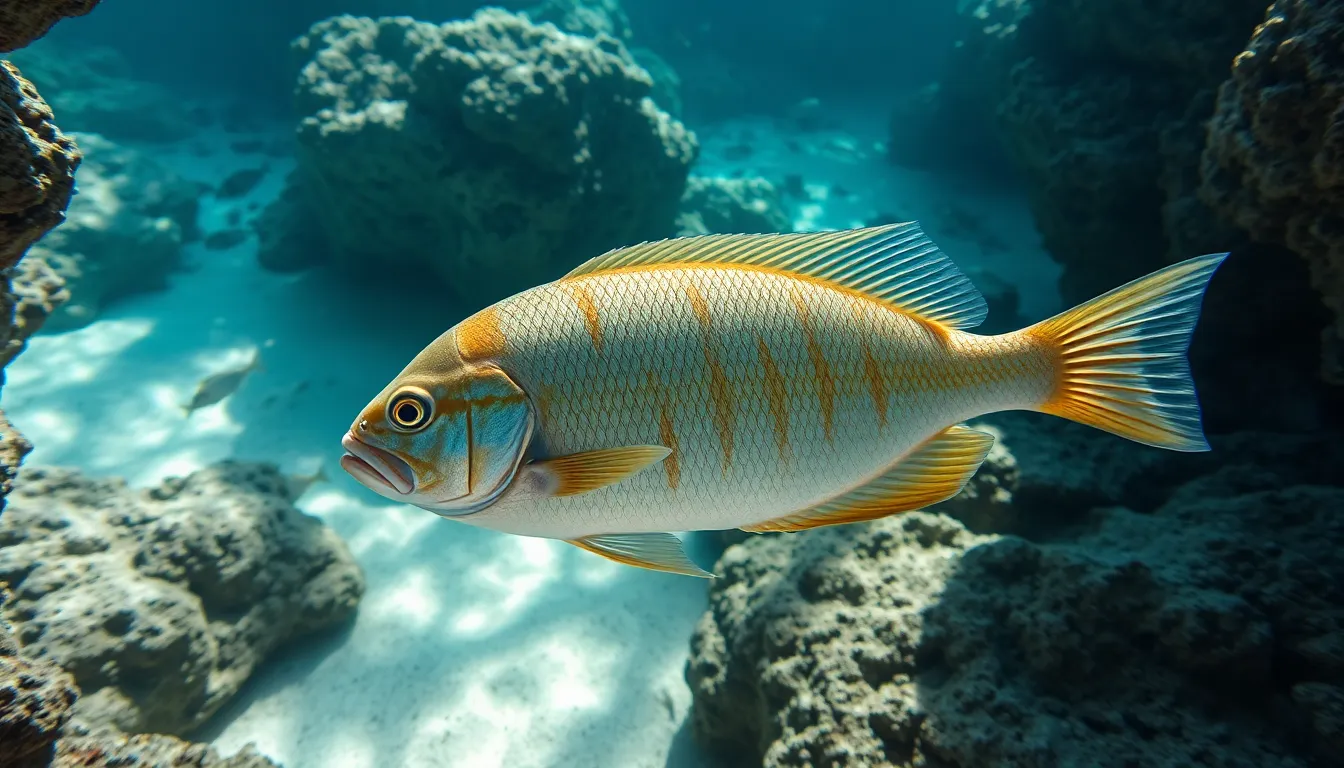
The gilt head bream, known scientifically as Sparus aurata, is a highly sought-after species among spearfishing enthusiasts due to its challenging behavior and delectable taste. Mastering gilt head bream spearfishing techniques requires understanding their habitat, behavior, and the optimal methods for approaching and capturing them.
These fish are typically found in rocky reefs, sandy bottoms, and seagrass beds. They tend to inhabit shallow waters, especially during their spawning season, making them accessible to spearfishers. The techniques for hunting gilt head bream involve a combination of stealth, breath-holding ability, and precise shot placement. This article will delve into the essential skills and techniques needed to effectively hunt this elusive fish.
Prerequisites: Breath-hold and Swimming Skills
Before embarking on the hunt for gilt head bream, it is crucial to have a solid foundation in breath-holding and swimming skills. These prerequisites not only enhance your chances of success but also ensure your safety in the water.
Breath-Hold Techniques
- Static Apnea Training: Practice holding your breath while floating on the surface, gradually increasing the duration over time.
- Dynamic Apnea: Swim underwater while holding your breath, focusing on maintaining a streamlined position to minimize drag.
- Recovery Breaths: Learn how to recover efficiently after a dive to maximize your next breath-hold.
Swimming Skills
- Efficient Kicking: Use a flutter kick or dolphin kick to maintain speed and conserve energy while swimming.
- Surface Swimming: Practice moving quietly on the surface to avoid spooking fish before diving.
Detailed Execution Breakdown with Underwater Considerations
Executing a successful spearfishing technique for gilt head bream involves careful planning and execution. Understanding underwater dynamics is vital.
Approach Strategies
- Stealth Approach: Maintain a low profile and minimize splashing. Use natural cover such as rocks and plants to conceal your movement.
- Slow Descent: Control your buoyancy and descend slowly to avoid disturbing the water and scaring away fish.
Positioning and Shot Placement
- Optimal Positioning: Position yourself at a distance that allows for a clear shot without startling the fish.
- Shot Placement: Aim for the head or upper body for a quick and humane kill, ensuring your spear is adequately calibrated for the target.
Common Errors Specific to Underwater Hunting
Identifying and correcting common errors is essential for improving your spearfishing techniques. Below are frequent mistakes made while hunting gilt head bream:
- Excessive Movement: Many beginners make the mistake of over-exerting themselves, which can lead to fatigue and noise. Aim for smooth, controlled movements.
- Poor Breath Control: Failing to manage your breath-hold can result in panic or premature surfacing. Practice relaxation techniques before dives.
- Inaccurate Shots: Rushing the shot can lead to misses. Take your time to line up the shot correctly.
Advanced Variations for Different Conditions
As conditions change, so too should your spearfishing techniques. Here are advanced variations for different underwater environments:
Rocky Reefs
- Hide and Wait: Utilize natural rock formations to remain hidden while observing fish behavior.
- Chase Techniques: If a fish is spooked, follow it at a distance to return to a calmer state.
Sandy Bottoms
- Sand Cover: Use sand to conceal yourself while waiting for fish to approach.
- Active Pursuit: Actively swim along the bottom to cover more ground, but remain stealthy.
Practice Drills for Pool and Open Water
Regular practice is essential for mastering gilt head bream spearfishing techniques. Here are effective drills for both the pool and open water:
Pool Drills
- Static Apnea Sessions: Work on holding your breath while remaining still in the water.
- Dynamic Drills: Swim laps underwater, gradually increasing the distance as your comfort level improves.
Open Water Drills
- Depth Training: Practice diving to various depths, focusing on equalizing and breath control.
- Target Practice: Use a spear gun to practice aiming at targets submerged in shallow water.
Performance Metrics and Breath-Hold Integration
Tracking your performance metrics can provide valuable insights into your progress. Consider the following:
Key Metrics
- Depth Achieved: Monitor your maximum depth and the time taken to reach it.
- Breath-Hold Duration: Record your breath-hold times to identify improvements over time.
Breath-Hold Integration Tips
- Pre-Dive Relaxation: Implement relaxation techniques before your dive to enhance breath-hold performance.
- Post-Dive Recovery: Focus on controlled breathing after surfacing to prepare for your next dive.
Safety Protocols and Emergency Procedures
Safety should always be a priority while spearfishing. Implement these safety protocols and be prepared for emergencies:
Safety Checkpoint Lists
- Buddy System: Always dive with a buddy to ensure assistance is available in case of emergencies.
- Equipment Check: Regularly inspect your gear for any signs of wear or damage.
Emergency Procedures
- Responding to Blackouts: If a diver experiences a blackout, administer rescue breaths and call for emergency help.
- Decompression Safety: Be aware of your ascent speed and make safety stops if diving deeper than 10 meters.
By following these techniques and guidelines, you can enhance your skills and enjoy a safer, more successful experience while spearfishing for gilt head bream. Remember, continuous practice and adherence to safety protocols are essential to mastering this rewarding sport.