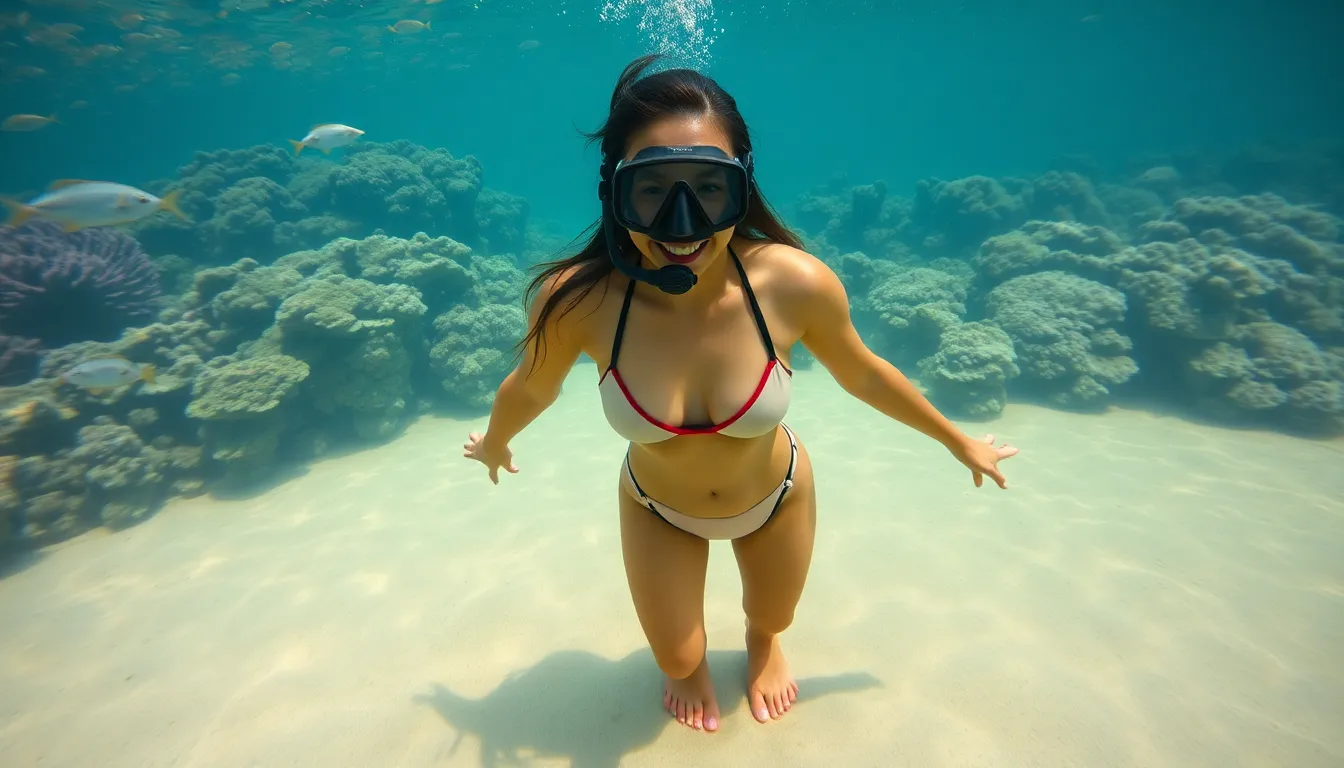
The freefall diving technique is an essential skill for spearfishing enthusiasts, allowing divers to descend quickly and efficiently into the underwater environment. This technique is particularly useful in various scenarios, including hunting fish in deeper waters, exploring reef structures, and conducting underwater photography. By mastering freefall diving, spearfishers can maximize their time underwater and improve their chances of a successful catch.
Benefits of Freefall Diving
- Speed: The technique allows for rapid descent, reducing the time spent on the surface and increasing the time available for hunting.
- Energy Efficiency: Freefalling minimizes the exertion required during descent, enabling divers to conserve energy for hunting and exploration.
- Stealth: A quick and controlled descent can help divers remain undetected by fish, increasing the likelihood of a successful catch.
Prerequisites: Breath-Hold and Swimming Skills
Before attempting freefall diving, it is crucial to develop strong breath-holding and swimming skills. These skills are foundational for ensuring a safe and successful spearfishing experience.
Breath-Hold Techniques
Effective breath-holding techniques are vital for freefall diving. Divers should practice the following:
- Diaphragmatic Breathing: Focus on deep, abdominal breaths to maximize lung capacity.
- Extended Exhalation: Gradually exhale to calm the body and prepare for the dive.
- Static Apnea: Practice holding your breath while stationary to build confidence and lung capacity.
Swimming Proficiency
A good level of swimming proficiency is necessary to navigate underwater effectively. Divers should be comfortable swimming in various conditions and be familiar with the following:
- Fin Techniques: Mastering the use of fins can enhance propulsion and maneuverability.
- Body Positioning: Maintaining a streamlined body position while swimming is crucial for reducing drag.
- Equalization Skills: Learn proper equalization techniques to prevent discomfort during descent.
Detailed Execution Breakdown with Underwater Considerations
Executing the freefall diving technique requires careful attention to detail and environmental factors. Here’s a step-by-step breakdown:
Step 1: Preparation
Before diving, ensure you have the appropriate gear, including a wetsuit, fins, mask, and speargun. Check your equipment for functionality and comfort.
Step 2: Surface Breathing
Engage in surface breathing to oxygenate your body before the dive. This involves:
- Taking several deep, slow breaths.
- Focusing on relaxing your muscles.
Step 3: Controlled Descent
Initiate your descent by:
- Adopting a streamlined position, with arms extended forward and legs together.
- Using your fins to assist in a controlled freefall.
Underwater Considerations
While descending, be aware of:
- Water currents that may affect your trajectory.
- Visibility and potential obstacles.
- Depth and time spent underwater to avoid hypoxia.
Common Errors Specific to Underwater Hunting
Even experienced divers can make mistakes while freefall diving. Here are some common errors and corrections:
Error 1: Poor Body Positioning
Many divers struggle with maintaining a streamlined body position. To correct this:
- Focus on keeping your body straight and horizontal during the descent.
- Engage your core muscles to maintain stability.
Error 2: Overexertion
Some divers exert too much energy during their descent. To avoid this:
- Practice controlled fin kicks to conserve energy.
- Utilize your arms minimally to maintain speed.
Error 3: Lack of Awareness
Diving without being aware of your surroundings can lead to dangerous situations. To ensure safety:
- Maintain situational awareness throughout the dive.
- Regularly glance around to monitor for potential threats or obstacles.
Advanced Variations for Different Conditions
As divers become more proficient, they may encounter various underwater conditions that require adaptations to the freefall diving technique.
Variation 1: Deep Water Diving
For deeper dives, consider the following:
- Increase your breath-hold capacity through dedicated training.
- Utilize a weight belt to assist with a faster descent.
Variation 2: Currents and Waves
When diving in turbulent waters, adjust your technique by:
- Entering the water at an angle to minimize resistance.
- Using quick, powerful kicks to maintain control.
Variation 3: Low Visibility
In murky conditions, enhance your technique by:
- Using tactile feedback to navigate and avoid obstacles.
- Employing slow, deliberate movements to prevent disorientation.
Practice Drills for Pool and Open Water
Regular practice is key to mastering freefall diving. Below are drills suitable for both pool and open water environments.
Pool Drills
- Static Apnea Drill: Practice holding your breath while floating on the surface to improve lung capacity.
- Controlled Descent Drill: Practice descending slowly and steadily in the shallow end, focusing on body positioning.
Open Water Drills
- Depth Training: Gradually increase your dive depth while practicing freefall techniques in a safe and monitored environment.
- Current Navigation: Practice diving in areas with mild currents to develop skills in handling movement.
Performance Metrics and Breath-Hold Integration
To assess your progress in mastering the freefall diving technique, consider the following performance metrics:
Key Performance Indicators
- Depth Achieved: Track the maximum depth you can reach while maintaining control and comfort.
- Time Underwater: Monitor the duration of your dives to gauge breath-hold improvement.
- Recovery Time: Measure how quickly you can return to a resting state after a dive.
Integrating Breath-Hold Training
Incorporate breath-hold training into your regular practice routine to enhance your diving capability:
- Utilize tables to progressively increase breath-hold times.
- Incorporate interval training to simulate the demands of actual diving conditions.
Safety Protocols and Emergency Procedures
Safety should always be a priority during spearfishing and freefall diving. Adhering to established safety protocols can prevent accidents and ensure a positive experience.
Safety Checkpoint Lists
- Always dive with a buddy to ensure assistance in case of emergencies.
- Conduct a pre-dive safety briefing to establish communication signals and emergency procedures.
- Regularly check your equipment for functionality before each dive.
Emergency Procedures
In case of an emergency, follow these procedures:
- If a diver is unresponsive, initiate rescue protocols immediately.
- Administer first aid and CPR as necessary while waiting for medical assistance.
- Always have a plan for quick access to emergency services in the area.
By mastering the freefall diving technique and adhering to safety protocols, spearfishers can enhance their underwater hunting experience while ensuring their safety and the enjoyment of the sport.