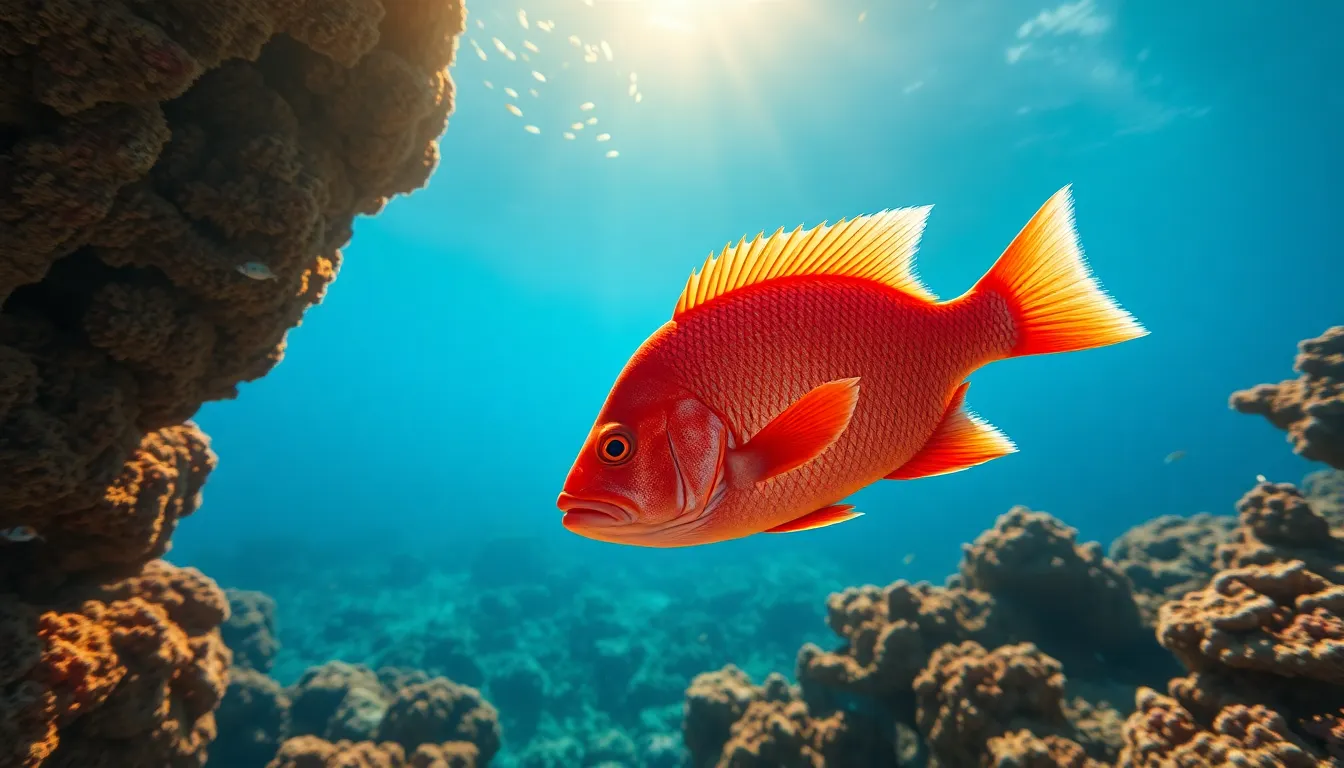
Understanding the taxonomic classification of fish is crucial for spearfishers, as it aids in proper identification and ensures compliance with local regulations. Fish are classified into various categories, including kingdom, phylum, class, order, family, genus, and species. For example, the common snapper belongs to the following classification:
- Kingdom: Animalia
- Phylum: Chordata
- Class: Actinopterygii
- Order: Perciformes
- Family: Lutjanidae
- Genus: Lutjanus
- Species: Lutjanus campechanus
Common names can vary by region, with the snapper also referred to as red snapper or simply snapper. Familiarity with these classifications helps spearfishers accurately identify their target species and avoid protected or endangered fish.
Physical Description and Identification Markers
Physical characteristics are key to identifying fish species underwater. For instance, the red snapper is characterized by its:
- Bright red coloration with a streamlined body.
- Long, pointed snout and large eyes.
- Distinctive dorsal fin that is continuous and slightly notched.
Identification markers can vary significantly among species. For example, the Cobia (Rachycentron canadum) has a more elongated body with a dark brown upper side and lighter underside, while the Yellowfin Tuna (Thunnus albacares) features striking yellow dorsal and anal fins. Having a species identification chart handy can greatly assist in recognizing these markers during a dive.
Size Ranges and Record Specimens
Size ranges for fish can greatly influence spearfishing strategies. The red snapper typically grows to about 20-30 inches, with record specimens reaching over 40 inches. On the other hand, the cobia can grow much larger, averaging 30-40 inches but occasionally exceeding 60 inches in length. Understanding these size ranges helps spearfishers set realistic expectations and ensures compliance with local size regulations.
Record Specimens
Some notable record specimens include:
- Red Snapper: 43 inches, weighing 50 pounds.
- Cobia: 130 pounds, 82 inches long.
These records serve as benchmarks for spearfishers aiming to achieve personal bests or challenge themselves in the sport.
Habitat Distribution and Depth Ranges
Fish species occupy various habitats ranging from shallow reefs to deep ocean waters. The red snapper is typically found in:
- Shallow waters around reefs and wrecks at depths of 30-200 feet.
- Occasionally in deeper offshore waters.
In contrast, the cobia prefers:
- Coastal waters, often around buoys or structures.
- Depth ranges of 20-100 feet.
Utilizing habitat depth tables can help spearfishers determine the best locations to target specific species based on their known habitats.
Seasonal Behavior and Migration Patterns
Understanding the seasonal behavior and migration patterns of fish can enhance spearfishing success. Red snappers typically:
- Spawn in warmer months from May to September.
- Move to deeper waters during colder months.
Cobia are known for their migratory behavior, often moving along the Atlantic coast in spring and returning to deeper waters in fall. Monitoring seasonal behavior patterns can inform spearfishers when and where to hunt for the best catches.
Seasonal Behavior Patterns
A summary of seasonal behavior patterns includes:
- Red Snapper: Best targeted in summer months.
- Cobia: Active during spring migrations.
Spearfishing Difficulty Level and Techniques
The difficulty level of spearfishing varies by species. Red snapper are considered moderate in difficulty due to their schooling behavior and habitat. Techniques for spearfishing red snapper include:
- Using a float line for safety.
- Employing a silent approach to avoid spooking schools.
Cobia, on the other hand, may present a higher challenge due to their speed and elusiveness. Recommended techniques include:
- Chumming to attract them to the surface.
- Using a pole spear for accuracy.
Rating the hunting difficulty can help spearfishers gauge their skills and prepare accordingly.
Hunting Difficulty Ratings
Red Snapper: 3/5
Cobia: 4/5
Best Hunting Methods and Gear Recommendations
Successful spearfishing requires the right methods and gear. Recommended hunting methods include:
- Freediving: Ideal for shallow waters.
- Scuba diving: Preferred for deeper dives.
Essential gear includes:
- Wetsuit for protection and insulation.
- Speargun or pole spear for effective hunting.
- Fins and mask for improved mobility and visibility.
Investing in quality gear enhances performance and safety, making it easier to identify and catch target species.
Culinary Applications and Preparation Methods
Recognizing the culinary potential of your catch can enrich the spearfishing experience. Red snapper is highly regarded for its firm, white flesh and can be prepared in various ways:
- Grilled with herbs and lemon.
- Fried as fish tacos.
Cobia, known for its rich flavor, is often enjoyed:
- As steaks grilled or broiled.
- In sushi or sashimi form.
Understanding preparation methods can elevate the culinary enjoyment of spearfishing results.
Regulatory Status and Size Limits by Region
It is essential for spearfishers to be aware of regulatory statuses and size limits to promote sustainability. Regulations often vary by region. For instance:
- Red Snapper: Size limit of 16 inches in the Gulf of Mexico.
- Cobia: Minimum size limit of 33 inches in Florida waters.
Staying informed on local regulations helps protect fish populations and ensures responsible harvesting.
Conservation Status and Sustainability Notes
Conservation is critical for maintaining healthy fish populations. The red snapper has faced overfishing challenges, leading to strict regulations in some areas. Cobia populations are currently stable but are monitored to prevent future declines. Spearfishers should:
- Practice responsible fishing techniques.
- Participate in conservation efforts and educate others.
By doing so, spearfishers can contribute to the sustainability of marine ecosystems and ensure that future generations can enjoy the sport.
In conclusion, mastering fish identification for spearfishing success involves understanding taxonomy, physical characteristics, behaviors, and regulations. By equipping themselves with this knowledge, spearfishers can enhance their skills, contribute to conservation, and enjoy the thrill of the hunt in a responsible manner.