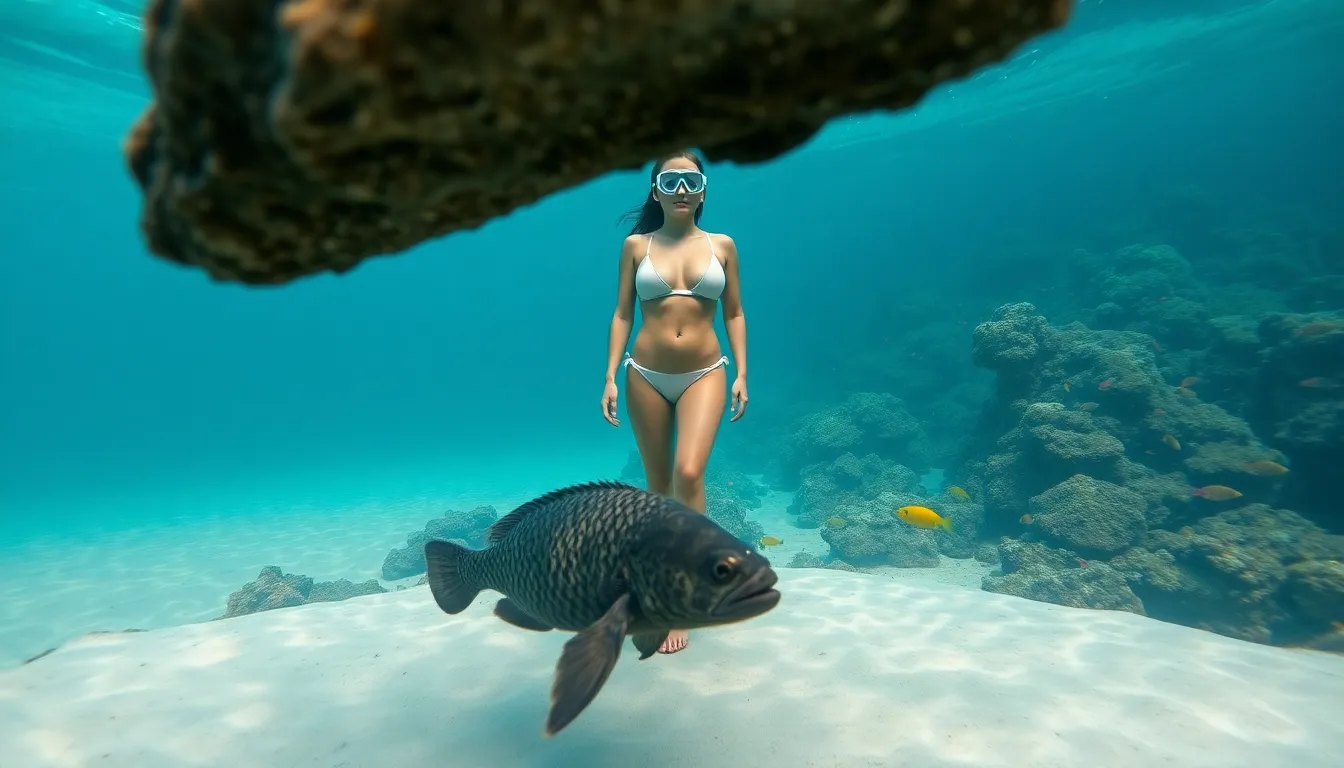
Fish escape prevention techniques are crucial for both novice and experienced spearfishers looking to enhance their effectiveness while underwater. These techniques focus on minimizing fish escape during hunts, ensuring that each dive results in a successful catch. Understanding the behavior of fish and the underwater environment is essential for mastering these techniques.
In spearfishing, the primary goal is to approach fish stealthily and accurately, allowing for a shot that will result in a catch. Utilizing effective fish escape prevention techniques not only increases the likelihood of success but also enhances the overall experience of the hunt. Techniques can vary based on the species targeted, water conditions, and the skill level of the spearfisher.
Prerequisites: Breath-Hold and Swimming Skills
Before diving into fish escape prevention techniques, it is essential to establish a solid foundation in breath-hold and swimming skills. These prerequisites ensure that spearfishers can remain calm and composed underwater, enabling them to execute techniques effectively.
Breath-Hold Techniques
- Static Apnea: Practicing static breath-hold in a controlled environment helps increase lung capacity and comfort while underwater.
- Dynamically Swimming: Incorporating swimming with breath-holding drills mimics real dive conditions.
Swimming Skills
- Efficient Kicking: Develop a strong and efficient kick to reduce energy expenditure while swimming.
- Streamlined Position: Maintain a streamlined position to minimize drag and allow for a silent approach.
Detailed Execution Breakdown with Underwater Considerations
Executing fish escape prevention techniques requires careful planning and awareness of underwater considerations. Here’s a step-by-step breakdown of the execution process:
1. Approach Strategy
- Choose Your Path: Select a route that minimizes visibility to the fish. Consider the current and visibility.
- Control Your Breathing: Slow, deep breaths before diving help reduce your heart rate and enhance your calmness.
2. Positioning
- Stay Low: Keep a low profile by swimming close to the seabed or structures where fish are likely to hide.
- Utilize Cover: Use natural cover such as rocks or reefs to conceal your presence.
3. The Shot
- Steady Aim: Take your time to aim accurately, ensuring you don’t rush the shot.
- Follow Through: Maintain your aim and follow through after the shot to ensure accuracy.
Common Errors Specific to Underwater Hunting
Even experienced spearfishers can make errors that lead to fish escaping. Understanding these common mistakes can improve performance and reduce lost opportunities.
- Overexertion: Many spearfishers try to swim too quickly, causing noise and alerting fish.
- Poor Equipment Management: Ensure all gear is functioning properly before entering the water to avoid distractions during the hunt.
- Neglecting Fish Behavior: Ignoring signs of fish behavior can lead to missed opportunities. Understanding how fish react to stimuli is key.
Advanced Variations for Different Conditions
Different underwater conditions require adjustments to fish escape prevention techniques. Here are some advanced variations to consider:
1. Low Visibility
- Scenting Techniques: Use scents to attract fish when visibility is low.
- Sound Techniques: Create subtle noises that mimic prey to lure fish closer.
2. Strong Currents
- Anchor Points: Utilize anchor points for stability when in strong currents.
- Drift Techniques: Practice drift diving to allow natural currents to bring fish into range.
Practice Drills for Pool and Open Water
Practicing these techniques in controlled environments can significantly enhance performance. Here are some effective drills:
Pool Drills
- Static Breath-Hold: Increase your breath-hold times through repeated static drills.
- Dive Simulations: Practice dives in a pool to simulate underwater conditions, focusing on stealth and accuracy.
Open Water Drills
- Target Practice: Set up underwater targets to improve aim and accuracy.
- Group Drills: Practice with fellow spearfishers to simulate real-life hunting scenarios.
Performance Metrics and Breath-Hold Integration
Tracking performance metrics is vital for improvement. Key metrics to monitor include:
- Depth and Duration: Record the maximum depth and duration of dives to assess progress.
- Catch Rate: Keep a log of your catch rates to identify successful techniques and areas for improvement.
Integrating breath-hold training with performance metrics provides a comprehensive approach to enhancing skills. Aim to gradually increase your breath-hold times while maintaining successful catch rates.
Safety Protocols and Emergency Procedures
Safety is paramount in spearfishing. Adhering to strict safety protocols and knowing emergency procedures can prevent accidents.
Safety Checkpoint Lists
- Buddy System: Always dive with a partner to ensure immediate assistance if needed.
- Pre-Dive Briefing: Discuss dive plans, signal systems, and emergency protocols before each dive.
- Equipment Checks: Conduct thorough equipment checks to ensure everything is in working order.
Emergency Procedures
- Decompression Illness: Familiarize yourself with symptoms and treatment protocols.
- Shallow Water Blackout: Understand the risks and signs of shallow water blackout; always ascend slowly and cautiously.
- First Aid Training: Consider taking a first aid course specifically for diving emergencies.
Mastering fish escape prevention techniques is essential for any spearfisher serious about improving their catch rate and overall experience. By focusing on the prerequisites, execution, common errors, variations, practice drills, performance metrics, and safety protocols, you can ensure safe and successful spearfishing adventures.