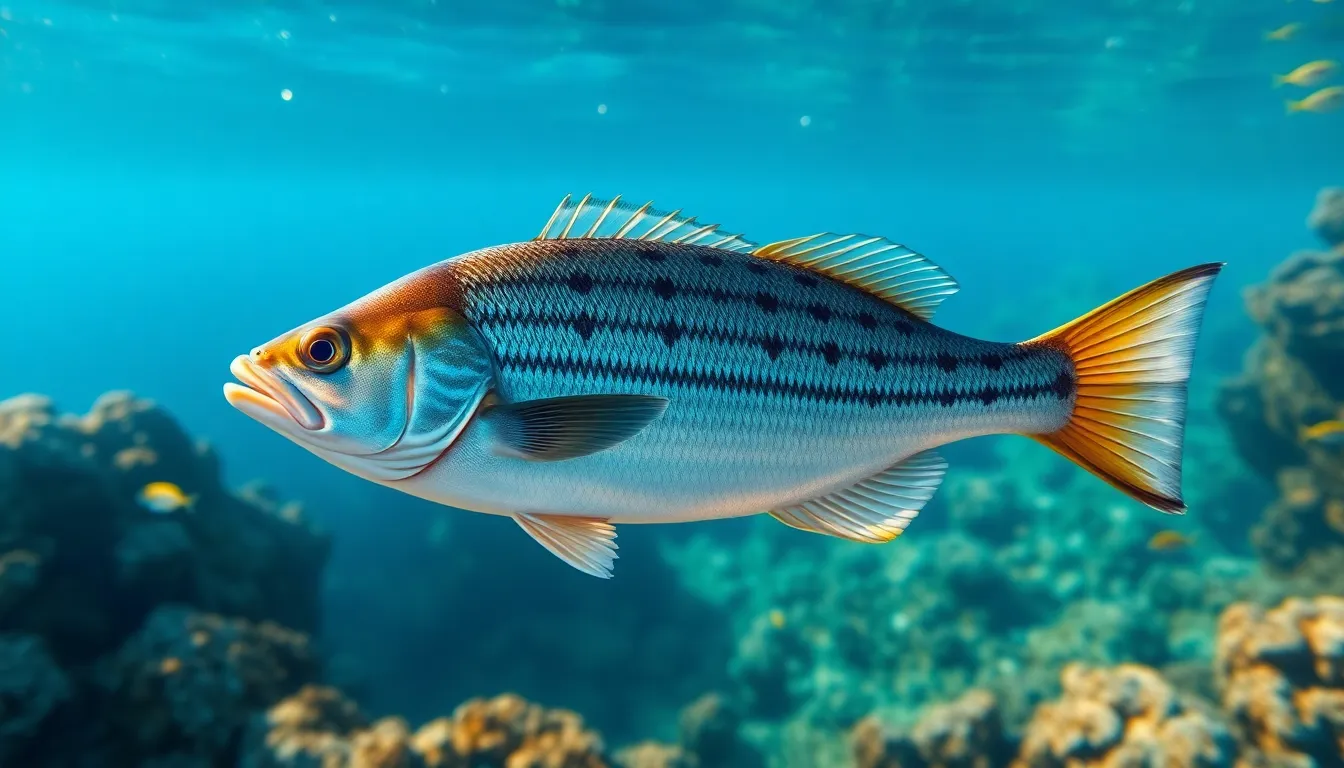
The European sea bass (Dicentrarchus labrax) is a highly sought-after species among spearfishers, known for its challenging hunting behavior and delicious taste. Mastering the hunting techniques for this fish requires a blend of knowledge, skill, and practice. This article explores effective european sea bass hunting techniques, emphasizing the importance of understanding their habitat, behavior, and the best practices for successful spearfishing.
Understanding the European Sea Bass
European sea bass are typically found in coastal waters of the Eastern North Atlantic, favoring rocky bottoms and estuaries. They are opportunistic predators, often hunting in schools. Their diet primarily consists of smaller fish and crustaceans, making them a challenging target due to their quick reflexes and ability to sense danger. To enhance your hunting success, it’s crucial to understand their behavior and the environmental factors that influence their activity.
Prerequisites: Breath-Hold and Swimming Skills
Before embarking on your sea bass hunting adventures, there are essential skills you must develop. Two critical prerequisites are breath-holding ability and swimming proficiency.
Breath-Hold Techniques
Effective spearfishing requires the ability to hold your breath for extended periods. Practicing breath-hold techniques can significantly improve your underwater hunting experience.
- Static Apnea: Practice holding your breath while stationary. Start with short durations and gradually increase as your comfort level improves.
- Dynamic Apnea: Swim underwater while holding your breath to simulate hunting conditions. Focus on smooth, efficient movements.
Swimming Proficiency
Good swimming skills are vital for navigating underwater environments effectively. Key aspects include:
- Freestyle and Dolphin Kick: Master these swimming strokes to enhance your speed and maneuverability.
- Efficient Finning: Utilize fins to increase propulsion while conserving energy during your hunts.
Detailed Execution Breakdown with Underwater Considerations
Executing a successful hunt for European sea bass involves strategic planning and execution. The following breakdown provides step-by-step guidance.
Preparation and Gear Setup
Ensure you have the correct gear before heading out. Key equipment includes:
- Wetsuit: A suitable wetsuit protects you from cold water and potential stings.
- Speargun or Pole Spear: Choose the right tool based on your comfort level and hunting conditions.
- Weight Belt: Proper weighting is essential for optimal buoyancy control.
Entering the Water
Enter the water quietly to avoid startling fish. Use the following techniques:
- Slide into the water or use a backward roll to minimize splashes.
- Take a moment to acclimate yourself and observe the underwater environment before diving.
Diving Techniques
When diving for sea bass, consider the following:
- Controlled Descent: Descend slowly and smoothly to avoid disturbing the fish.
- Stalking: Use natural cover to approach schools of sea bass without being detected.
Common Errors Specific to Underwater Hunting
Even experienced hunters can make mistakes. Here are common errors to avoid:
Common Error Corrections
- Excessive Noise: Avoid splashing and loud movements. Practice moving stealthily.
- Poor Breath Control: Overexertion can lead to rapid fatigue. Practice breath control techniques to maintain composure.
- Ignoring Safety Protocols: Always adhere to safety guidelines and never hunt alone.
Advanced Variations for Different Conditions
Adapting your hunting techniques based on environmental conditions can significantly enhance your success. Here are some advanced variations:
Hunting in Different Water Conditions
- Clear Water: Use a longer spear and aim for precision shots, as visibility is optimal.
- Murky Water: Utilize a short spear and focus on sound and vibration to locate fish.
Time of Day Considerations
Sea bass are more active during specific times. Early morning and late evening are preferred hunting times. Adjust your strategy accordingly:
- In the morning, focus on shallower areas where fish are feeding.
- In the evening, target deeper waters as fish retreat from sunlight.
Practice Drills for Pool and Open Water
Regular practice is key to mastering European sea bass hunting techniques. Implement the following drills:
Pool Drills
- Static Apnea Practice: Work on holding your breath while remaining stationary.
- Dynamic Apnea Swim: Swim laps underwater to build endurance.
Open Water Drills
- Depth Training: Practice diving to various depths to improve comfort and skill.
- Stalking Scenarios: Simulate hunting conditions with a friend to practice approach techniques.
Performance Metrics and Breath-Hold Integration
Tracking your progress is essential for improvement. Consider the following performance metrics:
Monitoring Your Progress
- Breath-Hold Duration: Keep a record of your maximum breath-hold times.
- Dive Depth: Monitor how deep you can comfortably dive.
- Fish Caught: Track the number of sea bass caught during each outing.
Breath-Hold Integration Tips
Incorporate breath-hold practice into every training session. This will enhance your comfort level and performance during actual hunts.
Safety Protocols and Emergency Procedures
Safety should always be your top priority when spearfishing. Establish clear protocols and procedures:
Safety Checkpoint Lists
- Pre-Dive Checklist: Ensure all gear is functioning, and check the weather conditions.
- Buddy System: Always dive with a partner and establish communication signals.
- Emergency Procedures: Have a plan for emergencies, including signaling for help or returning to the surface.
Emergency Response Tips
In case of an emergency, remain calm and follow your established procedures. Ensure your buddy is aware of any issues, and always have a first aid kit available.
By mastering these european sea bass hunting techniques, you’ll enhance your skills and confidence in the water. With practice, patience, and adherence to safety protocols, you can enjoy a successful and thrilling spearfishing experience.