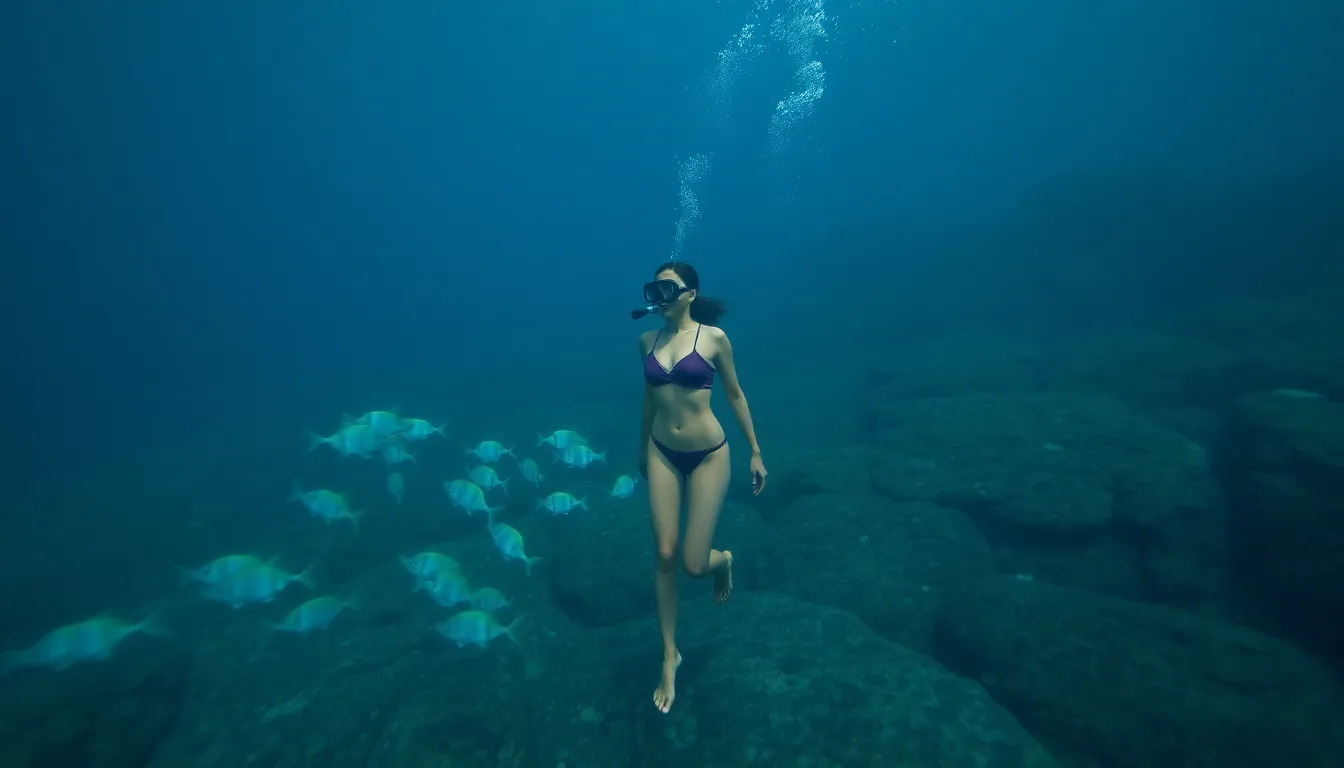
Understanding blood shift in freediving physiology is a vital aspect for any spearfisher who seeks to optimize their performance underwater. Blood shift refers to the physiological response that occurs in the body when submerged at depths that exert pressure on the body, particularly on the chest and lungs. This response is crucial for managing buoyancy and enhancing breath-holding capabilities.
When you dive deeper, the pressure causes blood to shift from the extremities towards the thoracic cavity, enabling the body to utilize its oxygen reserves more effectively. For spearfishers, mastering this technique can lead to longer dives, better hunting opportunities, and increased safety during underwater excursions.
Prerequisites: Breath-Hold and Swimming Skills
Before diving into the specifics of understanding blood shift, it’s essential to establish a strong foundation in breath-hold and swimming skills. These prerequisites are crucial for anyone engaging in spearfishing, as they directly impact your ability to perform effectively underwater.
Breath-Hold Techniques
- Diaphragmatic Breathing: Focus on deep, diaphragmatic breaths to maximize lung capacity. This technique helps improve your oxygen intake and retention.
- Static Apneas: Practice static breath-hold exercises in a controlled environment, such as a swimming pool. This will help you gauge your limits and enhance your comfort with breath-holding.
Swimming Skills
- Efficient Kicking: Learn different kicking techniques (flutter, dolphin, and frog kicks) to move through the water effortlessly.
- Streamlined Positioning: Maintain a streamlined body position to reduce drag and conserve energy while swimming.
Detailed Execution Breakdown with Underwater Considerations
Executing blood shift effectively requires a deep understanding of your body’s physiological responses as well as the environmental factors at play underwater. Here’s a step-by-step breakdown:
Step 1: Preparing for the Dive
- Ensure your wetsuit is fitted properly to enhance insulation and buoyancy.
- Perform a thorough warm-up to ensure your muscles are primed for action.
Step 2: Descending
As you descend, allow your body to adjust to the increasing pressure. Focus on relaxing your body and mind to facilitate blood shift:
- Keep your arms close to your body to minimize drag.
- Utilize slow, controlled movements to conserve oxygen.
Step 3: Engaging Blood Shift
Once you reach your target depth, the blood shift process begins:
- Feel the pressure compressing your chest; this sensation is a crucial indicator that blood is shifting towards your thoracic cavity.
- Maintain a calm demeanor to optimize your oxygen utilization.
Common Errors Specific to Underwater Hunting
Even seasoned spearfishers can make mistakes when it comes to understanding blood shift. Recognizing these common errors can enhance your performance:
- Forgetting to Equalize: Failing to equalize can lead to discomfort and hinder your ability to descend effectively.
- Panic During Descent: Allowing panic to set in can disrupt your breathing pattern and lead to premature ascent.
- Improper Gear Setup: Equipment that doesn’t fit correctly can affect your buoyancy and overall comfort.
Advanced Variations for Different Conditions
Once you’ve mastered the basic principles of blood shift, you can explore advanced variations suited for different underwater conditions:
Deep Diving Techniques
- Employing a weighted vest can help you descend faster while maintaining control.
Cold Water Diving
- Adjust your breathing patterns to compensate for the added stress of cold water on your body.
Practice Drills for Pool and Open Water
To effectively incorporate blood shift into your freediving techniques, regular practice is essential. Here are drills to enhance your skills:
Pool Drills
- Dynamic Apnea: Swim horizontally while holding your breath, focusing on smooth and efficient movements.
- Vertical Dives: Practice diving straight down to a depth of 3-5 meters, focusing on managing blood shift as you descend.
Open Water Drills
- Depth Training: Gradually increase your depth over multiple dives, carefully monitoring your body’s response to pressure.
- Hunting Drills: Incorporate hunting scenarios where you practice breath-holding while focusing on stealth and efficiency.
Performance Metrics and Breath-Hold Integration
Measuring your performance is essential for tracking progress and ensuring safety:
Key Performance Metrics
- Depth Achieved: Track your maximum depth for each dive to monitor improvement.
- Breath-Hold Time: Record your static and dynamic breath-hold times to gauge your capacity.
Breath-Hold Integration Tips
- Use visualization techniques to mentally prepare for dives, which can enhance your overall performance.
- Combine your breath-hold training with physical conditioning, focusing on cardiovascular and strength exercises.
Safety Protocols and Emergency Procedures
Safety should always be your top priority when freediving. Here are essential safety protocols and emergency procedures to follow:
Safety Checkpoint Lists
- Always dive with a buddy to ensure assistance in case of an emergency.
- Establish clear communication signals before entering the water.
- Keep a first aid kit and oxygen supply readily accessible on the boat or shore.
Emergency Procedures
- In the event of a black out, the buddy should immediately provide rescue breaths and call for help.
- Practice regular safety drills to prepare for various emergency scenarios.