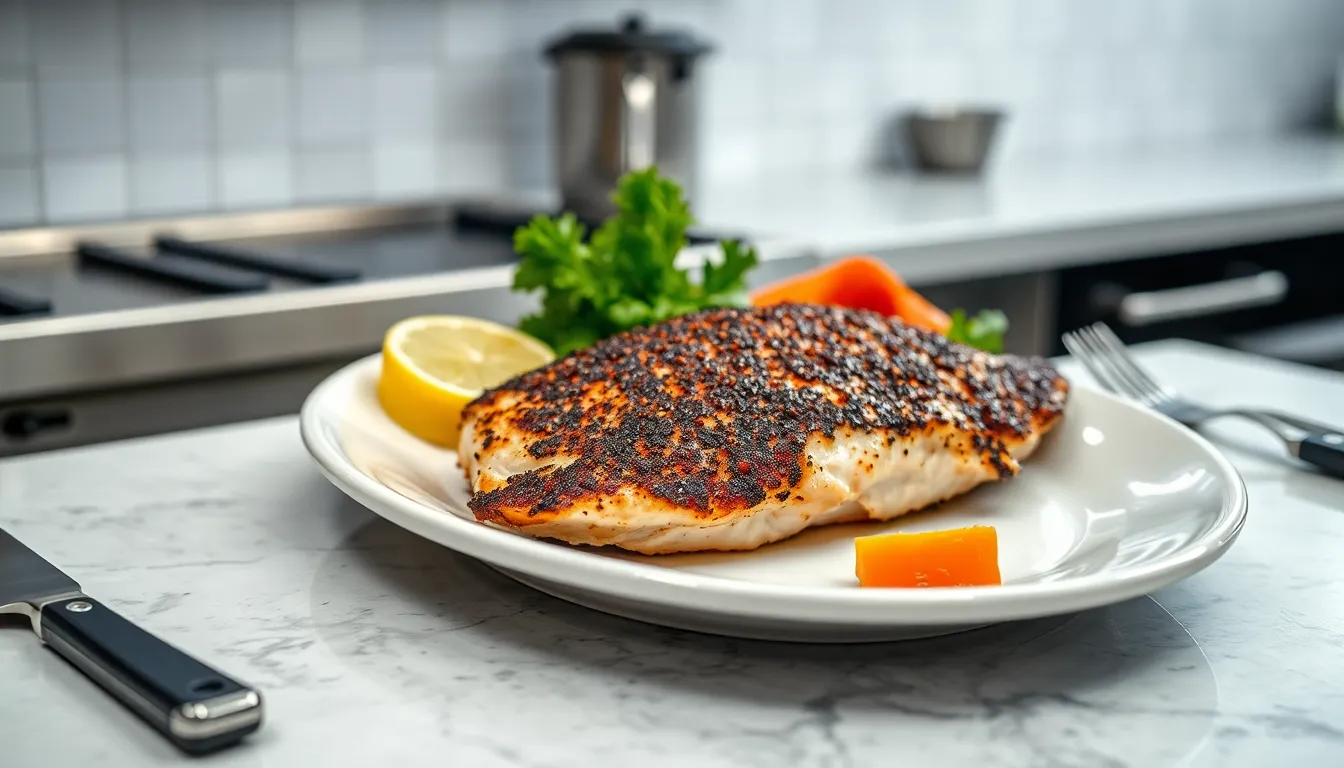
Have you ever tasted a dish that not only tantalized your taste buds but also transported you to the sun-soaked shores of the Gulf of Mexico? Blackened grouper is one such dish that embodies the vibrant culinary culture of Louisiana. This mouthwatering preparation showcases the rich, flaky texture of the grouper, enveloped in a robust and spicy crust that is nothing short of addictive. The blackening technique, which involves cooking fish at high temperatures in a cast iron skillet, creates a beautifully charred exterior that locks in moisture while enhancing the fish’s natural flavors. When executed correctly, the result is a crispy, dark crust that gives way to a juicy interior, making blackened grouper a delightful centerpiece for any meal. Whether served on a busy weeknight or at a festive gathering, this dish promises to impress and satisfy even the most discerning palates.
Ingredient/Component Selection Criteria
Choosing the right ingredients is crucial for achieving the perfect blackened grouper. Here are some selection criteria to consider:
- Grouper: Freshness is key when selecting grouper fillets. Look for firm, translucent fillets that have a mild, ocean-like scent, a marker of freshness. Avoid any that appear discolored, mushy, or emit a strong fishy odor, as these can indicate spoilage. If possible, purchase your fish from a reputable seafood market or fishmonger who can provide information about the fish’s origin and catch date, ensuring you get the best quality available.
- Spices: A blend of spices is essential for crafting the perfect blackening seasoning. Opt for high-quality paprika, which should be vibrant in color, as well as cayenne pepper for heat, and garlic and onion powders for depth of flavor. Dried herbs like thyme and oregano add an aromatic quality that complements the fish beautifully. Fresh spices yield better flavor, so consider purchasing whole spices and grinding them yourself for a more potent blend.
- Butter: Use unsalted butter to control the saltiness of your dish and to allow the spices to shine. The richness of the butter helps achieve that signature crispiness when cooking. Some recipes also incorporate a splash of olive oil to create a balanced fat base that withstands high temperatures while adding a different flavor dimension to the crust.
- Lemon: Fresh lemon juice is often used to brighten the dish and to balance the richness of the butter. The acidity from the lemon enhances the overall flavor profile and cuts through the richness, making each bite refreshing. For the best results, opt for freshly squeezed lemon juice rather than bottled varieties, which can lack the vibrant flavor and aroma.
Required Tools and Equipment
To successfully prepare blackened grouper, you will need the following tools and equipment:
- Cast Iron Skillet: This heavy-duty skillet is essential for achieving the high heat required for blackening. Its ability to retain and distribute heat evenly ensures that the fish cooks perfectly, creating a beautiful crust.
- Spatula: A sturdy spatula is vital for flipping the fish without breaking it apart. A metal spatula is often preferred as it can withstand high temperatures and allows for better control when turning the fillets.
- Measuring Spoons: Accurate measurements of spices are crucial for balanced flavor. Having a set of measuring spoons on hand helps maintain consistency, ensuring that each batch of blackening seasoning is just right.
- Cooking Thermometer: To ensure the fish is cooked to perfection, a thermometer can help check for doneness. The ideal internal temperature for cooked fish is 145°F (63°C), and using a thermometer takes the guesswork out of the cooking process.
- Plates and Serving Utensils: Presentation is key when serving blackened grouper. Having a set of attractive plates and serving utensils will enhance the dining experience and delight your guests.
Preparation Timeline and Planning
Preparing blackened grouper can be efficiently planned. Here’s a suggested timeline:
- 30 minutes before cooking: Gather and prepare all ingredients. This includes thawing the grouper fillets if they were frozen and patting them dry with paper towels to ensure a good sear. Preparing ingredients in advance not only saves time but also allows you to focus on the cooking process without distractions.
- 15 minutes before cooking: Mix your blackening spices in a small bowl. This step allows the spices to meld together, enhancing the overall flavor of the dish. Preheat your cast iron skillet over medium-high heat; this ensures that the skillet reaches the right temperature for that perfect blackened crust.
- 5 minutes before cooking: Coat the grouper fillets with melted butter and generously sprinkle the blackening spice mixture on both sides. Make sure to press the spices into the fish for maximum flavor adherence. The butter not only adds richness but also aids in the browning process.
- Cooking time: Each fillet should take about 4-6 minutes on each side, depending on thickness. Keep an eye on the fillets to avoid overcooking, as fish can quickly become dry and lose its delicate texture.
Step-by-Step Detailed Instructions
Step 1: Prepare the Fish
Start with fresh grouper fillets. Rinse them under cold water to remove any residual scales or impurities, then pat dry with paper towels. This step is crucial for achieving a good sear, as moisture on the surface of the fish can prevent the crust from forming properly. For best results, choose fillets that are around 1-inch thick, as they cook evenly and retain moisture well.
Step 2: Make the Blackening Spice Blend
In a small bowl, combine the following ingredients:
- 2 tablespoons paprika
- 1 teaspoon cayenne pepper
- 1 teaspoon garlic powder
- 1 teaspoon onion powder
- 1 teaspoon dried thyme
- 1 teaspoon dried oregano
- Salt and pepper to taste
Mix well to ensure even distribution of spices. A well-balanced spice blend is essential for creating that distinctive blackened flavor. Feel free to adjust the cayenne pepper according to your preferred spice level; if you enjoy heat, consider adding more or incorporating a dash of crushed red pepper flakes for an extra kick.
Step 3: Season the Fillets
Brush the grouper fillets with melted butter, taking care to coat them evenly. Generously coat each side with the blackening spice mixture, pressing gently to ensure it adheres. The butter not only adds flavor but also helps the spices form a crust when they hit the hot skillet. Be generous with the seasoning; this dish is all about bold flavors, and the spices should create a thick, flavorful crust.
Step 4: Heat the Skillet
Place your cast iron skillet over medium-high heat. Allow it to become very hot, typically around 400°F (204°C). This high temperature is necessary for the blackening process, as it caramelizes the sugars in the spices and creates a beautiful crust. To test if the skillet is ready, sprinkle a few drops of water in the pan; if they sizzle and evaporate immediately, the skillet is hot enough.
Step 5: Cook the Grouper
Add a tablespoon of butter to the skillet and let it melt. Once the butter is bubbling but not burning, place the seasoned grouper fillets in the skillet, ensuring not to overcrowd them. Cook for 4-6 minutes on one side until a dark crust forms; resist the temptation to move the fillets around, as this can disrupt the crust formation.
Carefully flip the fillets using a spatula and cook for an additional 4-6 minutes on the other side. The fish is done when it flakes easily with a fork and reaches an internal temperature of 145°F (63°C). For an even cooking experience, consider using a cooking thermometer to check doneness without cutting into the fish.
Quality Indicators and Checkpoints
To ensure your blackened grouper is cooked perfectly, keep an eye on these quality indicators:
- The crust should be dark brown but not burnt. A well-executed crust adds depth of flavor and texture, while burnt bits can impart a bitter taste. If you notice the crust darkening too quickly, reduce the heat slightly to allow the fish to cook through without over-browning.
- The fish should be opaque and flake easily. Properly cooked fish will transition from translucent to opaque, indicating that it has reached the right temperature. A gentle test with a fork should reveal easily separable flakes, confirming doneness.
- Use a cooking thermometer to check that the internal temperature has reached 145°F (63°C). This is the USDA-recommended safe temperature for fish, ensuring it is safe to eat while remaining moist and flavorful. This step is crucial, as overcooked fish can become dry and lose its appealing texture.
Serving, Presentation, or Finishing Tips
For an impressive presentation, serve your blackened grouper on a large platter, garnished with fresh lemon wedges and sprigs of parsley or cilantro. The vibrant colors of the garnishes contrast beautifully with the dark crust of the fish. Pair it with sides such as creamy coleslaw or fluffy rice for a complete meal. Drizzling a bit of melted butter or a squeeze of fresh lemon juice over the top right before serving can elevate the flavors even more, adding an extra layer of richness and brightness. Consider serving with a refreshing salad or grilled vegetables for a well-rounded dining experience.
Storage, Preservation, or Maintenance
If you have leftovers, store the blackened grouper in an airtight container in the refrigerator for up to 2 days. To maintain the best texture, reheat gently in a skillet over low heat, allowing the fish to warm through without drying out. For longer storage, consider freezing the cooked grouper; it can last up to 3 months when properly sealed. Thaw in the refrigerator before reheating to prevent texture degradation. Always ensure to reheat to an internal temperature of 145°F (63°C) to ensure safety and quality.
Variations and Customization Options
Blackened grouper can be easily customized to suit your taste preferences. Here are a few ideas:
- Spice Level: Adjust the cayenne pepper to make the dish milder or spicier according to your preference. If you’re feeling adventurous, try experimenting with other spices like smoked paprika for a different flavor profile or adding a dash of hot sauce to the butter before coating the fish.
- Fish Alternatives: While grouper is fantastic, you can also use snapper, tilapia, or even chicken for a similar preparation. The blackening technique works well with a variety of proteins, so feel free to get creative based on what you have available.
- Herb Enhancements: Fresh herbs like cilantro or parsley can be added to the spice mix for a fresh twist. Consider topping the finished dish with a herb salsa or chimichurri for an added burst of flavor that complements the spiciness of the blackened crust.
Experiment with these variations to find your perfect blackened dish! The beauty of this cooking technique lies in its adaptability, allowing you to put your personal spin on a classic favorite.
Conclusion and Final Thoughts
Blackened grouper is not just a meal; it’s an experience that brings the captivating flavors of Louisiana cuisine right into your kitchen. By choosing the freshest ingredients and following the detailed steps outlined in this article, you can create a dish that is both visually stunning and deliciously satisfying. Remember to pay close attention to the cooking process to ensure that your grouper has that perfect crispy crust while remaining moist inside. As a final tip, don’t hesitate to experiment with different spice levels and ingredient variations to make this dish your own. Whether you’re hosting a dinner party or enjoying a quiet weeknight meal, blackened grouper is sure to impress. So, gather your ingredients, fire up that skillet, and indulge in the bold flavors of this classic recipe!