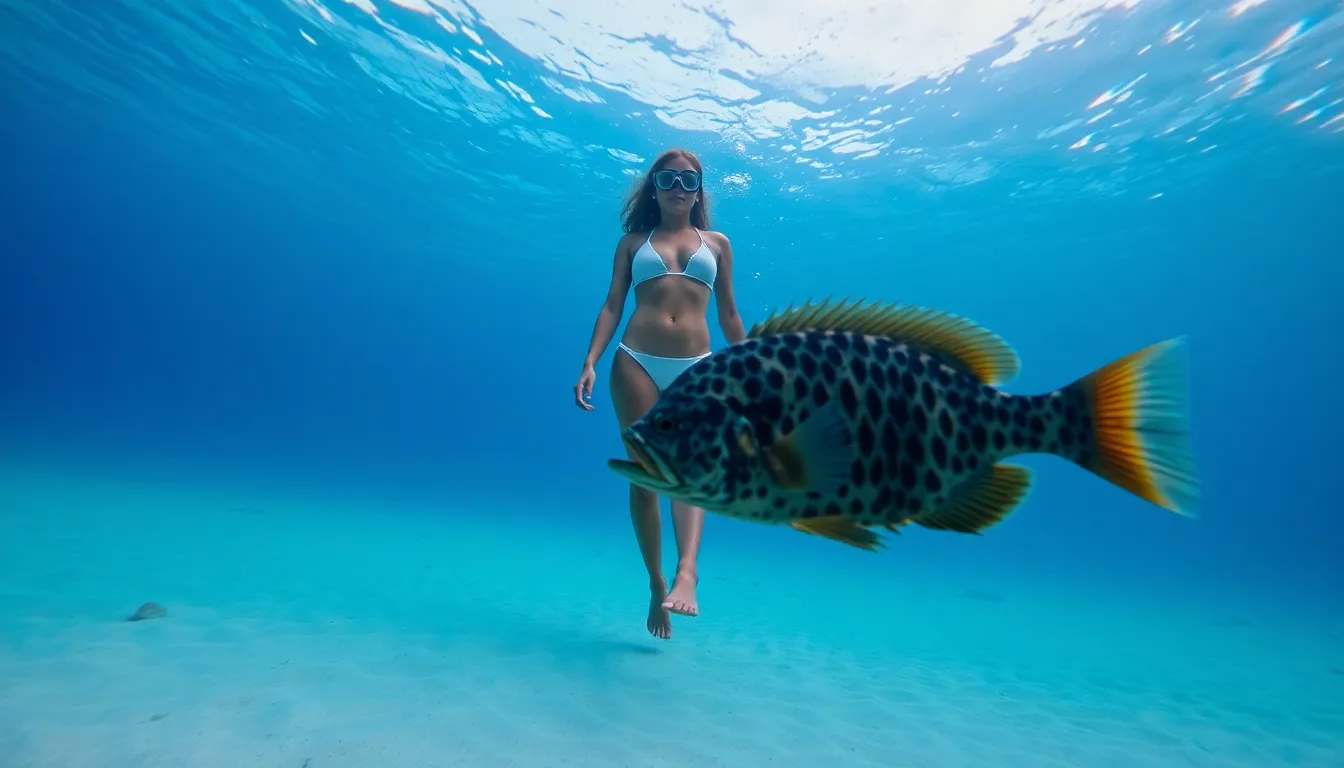
Spearfishing is a thrilling combination of hunting and diving, demanding not only technical skills but also robust physical conditioning. A well-structured physical conditioning and workout routine for spearfishing is critical for enhancing your performance underwater. This guide details the essential techniques and exercises to improve your capabilities in the water, ensuring you can execute dives efficiently and safely.
Spearfishing requires a blend of strength, endurance, flexibility, and breath control. Effective conditioning will enable you to dive deeper, hold your breath longer, and respond swiftly to underwater challenges. Understanding the physical demands of spearfishing will help you tailor your workout routine to meet these needs.
Prerequisites: Breath-Hold and Swimming Skills
Before embarking on a rigorous training regimen, it’s essential to assess your current skills in breath-holding and swimming. These are the foundational skills that directly impact your spearfishing success.
Breath-Hold Techniques
Effective breath-holding is crucial for safety and performance in spearfishing. A good breath-hold allows you to remain underwater longer, increasing your chances of successful hunts. To enhance your breath-hold capabilities:
- Diaphragmatic Breathing: Practice deep breathing techniques to increase lung capacity.
- Static Apnea Training: Hold your breath while lying in a pool, gradually increasing the duration.
- Dive Apnea Training: Practice holding your breath while diving to simulate hunting conditions.
Swimming Skills
Proficient swimming skills are necessary for navigating underwater environments effectively. Focus on the following swimming techniques:
- Freestyle and Dolphin Kicks: Develop speed and agility in the water.
- Underwater Swimming: Practice swimming underwater with minimal movement to conserve energy.
- Surface Swimming: Enhance endurance by swimming long distances at the surface.
Detailed Execution Breakdown with Underwater Considerations
Executing a successful spearfishing dive involves several key components that require practice and precision. Here’s a breakdown of the execution process:
Preparation Before the Dive
- Gear Check: Ensure all equipment is functioning properly, including your wetsuit, fins, and spear gun.
- Warm-Up: Engage in light stretching and dynamic movements to prepare your muscles.
Diving Technique
Once in the water, follow these steps:
- Entry: Perform a smooth entry to minimize noise and disturbance.
- Descent: Use streamlined body positioning to reduce drag while descending.
- Equalization: Regularly equalize your ears to avoid discomfort as you dive deeper.
- Stabilization: Achieve a neutral buoyancy by adjusting your breathing and body position.
Underwater Navigation
While underwater, keep these considerations in mind:
- Awareness: Maintain awareness of your surroundings to spot potential catches.
- Stealth: Move slowly and deliberately to avoid startling fish.
- Breath Control: Regulate your breathing to maintain calmness and conserve oxygen.
Common Errors Specific to Underwater Hunting
Even experienced spearfishers can make mistakes that hinder their effectiveness. Here are common errors to avoid:
Equipment Mismanagement
- Poor Gear Selection: Using inappropriate gear can affect your mobility and comfort.
- Improper Maintenance: Failing to check and maintain gear can lead to malfunctions during a dive.
Technique Flaws
- Incorrect Entry: A noisy or clumsy entry can scare away fish.
- Rapid Movements: Quick, jerky movements can increase your visibility and reduce your chances of success.
Breath-Hold Mistakes
- Ignoring Equalization: Failing to equalize can lead to ear barotrauma.
- Overexertion: Pushing your breath-hold limits too far can lead to blackouts.
Advanced Variations for Different Conditions
As you become more proficient, consider adapting your workouts and techniques to accommodate various underwater conditions:
Variable Depths
Training for different depths requires specific conditioning:
- Shallow Water: Focus on speed and agility to catch fish that are close to the surface.
- Deep Water: Enhance your breath-holding and equalization techniques for deeper dives.
Current and Visibility
Adjust your approach based on environmental conditions:
- Strong Currents: Build strength and endurance to swim against currents.
- Poor Visibility: Practice tracking and hunting techniques that rely on sound and movement.
Practice Drills for Pool and Open Water
Regular practice is necessary to refine your skills. Here are drills to incorporate into your training:
Pool Drills
- Static Apnea: Hold your breath while submerged in a pool for extended periods.
- Dynamic Apnea: Swim underwater for distance while holding your breath.
Open Water Drills
- Depth Training: Practice descending and ascending at controlled intervals.
- Target Practice: Use a spear gun to practice aiming and shooting at stationary targets.
Performance Metrics and Breath-Hold Integration
Tracking your performance is crucial for improvement. Consider the following metrics:
Breath-Hold Times
Keep a log of your static and dynamic apnea times to monitor progress. Aim for gradual increases in duration without sacrificing safety.
Depth Achievements
Record the maximum depth you can reach comfortably and safely. This will help you set goals for future dives.
Technique Assessment
Consider filming your dives to analyze your technique. Look for areas of improvement in your entry, descent, and overall movement.
Safety Protocols and Emergency Procedures
Safety should always be your top priority while spearfishing. Familiarize yourself with these protocols:
Buddy System
Always dive with a partner. A buddy can assist in emergencies and ensure you remain safe while exploring underwater.
Pre-Dive Checks
- Equipment Check: Verify that all your gear is in good condition.
- Emergency Plan: Establish a plan for emergencies, including signaling and rescue procedures.
Signs of Distress
Be aware of the signs of distress in yourself and your buddy. Common signs include:
- Rapid Breathing: Indicates a need to surface immediately.
- Disorientation: Suggests that assistance is required.
In conclusion, mastering your spearfishing skills through an effective physical conditioning and workout routine for spearfishing is essential for both performance and safety. By adhering to the techniques outlined in this guide, you can enhance your abilities and enjoy your time underwater with confidence.