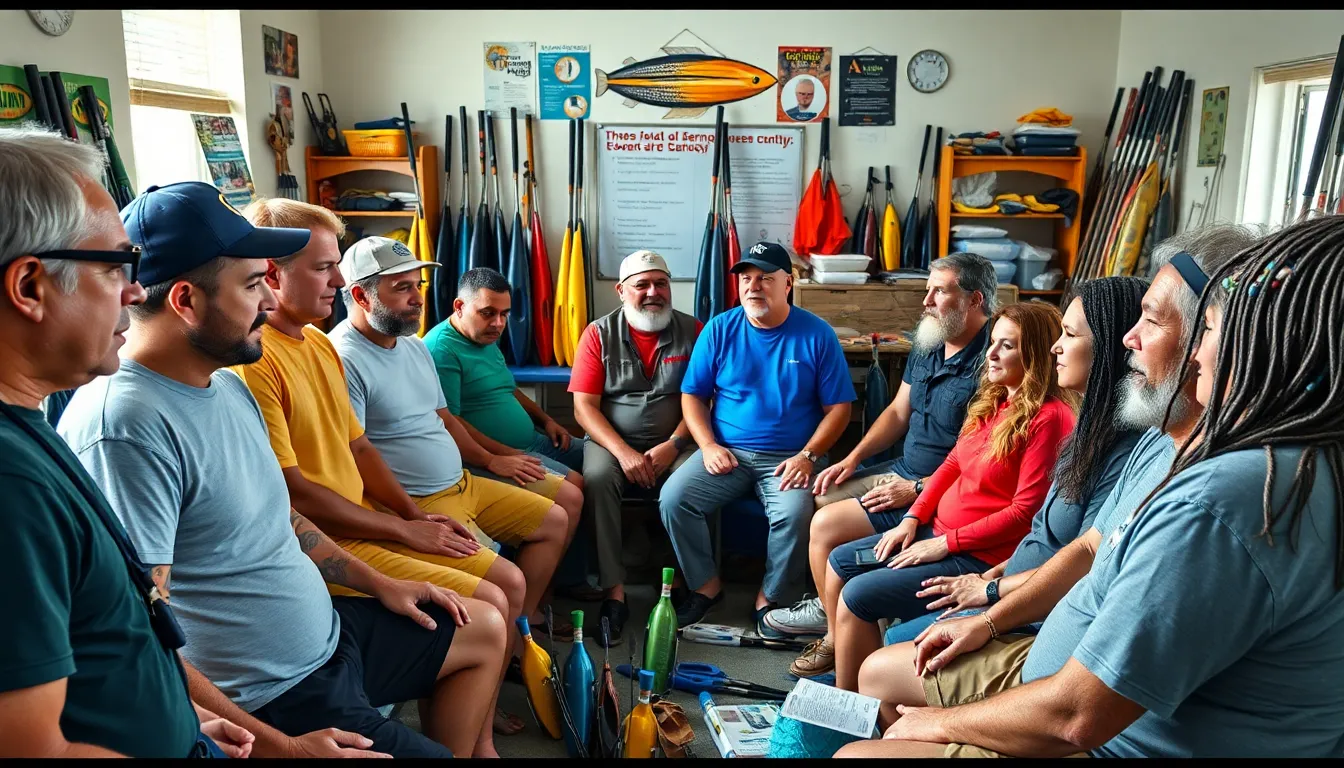
Have you ever considered the impact one person can have on the life of another, especially in a thrilling and adventurous pursuit like spearfishing? Becoming a spearfishing mentor goes beyond simply imparting technical skills; it involves nurturing a community of passionate divers who appreciate the ocean’s beauty and understand the importance of sustainable practices. By stepping into this role, you not only enhance the learning experience for newcomers, equipping them with essential knowledge and confidence, but you also contribute to the preservation of safe and responsible spearfishing practices. Mentorship is a powerful way to ensure that the next generation of spearfishers appreciates the balance of adventure and respect for marine life. You hold the key to shaping their journey and influencing how they interact with the underwater world.
Required Materials and Tools
Before you embark on your journey to become a spearfishing mentor, it’s essential to have a comprehensive collection of materials and tools at your disposal to facilitate effective teaching and ensure safety:
- Spearfishing Gear: Your gear is fundamental for both your safety and success. A high-quality wetsuit appropriate for the local water temperature will keep you comfortable and protected. A reliable speargun tailored to your target species can significantly enhance your catch rate. Also, choose fins that offer the right balance of flexibility and power, while a well-fitted mask and snorkel ensure clear visibility and ease of breathing underwater. Don’t forget a weight belt to help you descend more easily and maintain your position in the water.
- Safety Equipment: Safety should always be your top priority. A buoy or float allows you to signal your location to boats and other divers, while a dive flag indicates your presence underwater. A first aid kit stocked with essentials like bandages, antiseptics, and emergency supplies is crucial. Additionally, using a dive computer or watch can help monitor your dive time, depth, and ascent rate, reducing the risk of decompression sickness.
- Teaching Materials: Investing in teaching materials such as guides on local fish species, sustainable fishing practices, and underwater photography can enhance learning experiences. Visual aids like charts or posters of marine life can help mentees quickly identify species. Training manuals that outline techniques, safety protocols, and conservation tips can serve as valuable reference tools during sessions.
- Communication Tools: Effective communication is key to a successful mentorship. Ensure you have a reliable way to communicate with your mentees before, during, and after dives. A smartphone is excellent for quick communication, while walkie-talkies can be useful for real-time discussions underwater, especially during training sessions.
Prerequisites and Skill Level
To effectively mentor aspiring spearfishers, you need to possess a well-rounded set of qualifications that will allow you to guide them safely and knowledgeably:
- Experience: Ideally, you should have at least 2-3 years of spearfishing experience under your belt. This experience should encompass various conditions, such as different water temperatures, depths, and marine environments. Having diverse experiences allows you to share practical insights and strategies with your mentees, helping them navigate challenges confidently.
- Knowledge: A strong understanding of local marine life, including fish behaviors, habitats, and seasonal migrations, is crucial. Familiarity with safety protocols and spearfishing techniques, such as proper breath-holding and buoyancy control, will empower you to teach effectively. Knowledge of conservation practices is also important, as it will help you instill a sense of responsibility in your mentees.
- Teaching Skills: Mentoring requires more than just technical know-how; strong teaching skills are essential. You should be able to communicate complex ideas clearly and adapt your teaching approach to accommodate different learning styles. Active listening is also vital, as it allows you to understand your mentees’ needs and tailor your mentorship accordingly.
- Certifications: While not always mandatory, obtaining a teaching certification in diving or a related field can enhance your credibility as a mentor. Look for programs that emphasize safety, teaching methodologies, and practical skills. Certifications can also provide you with updated knowledge on regulations and best practices in the spearfishing community.
Step-by-Step Instructions
Follow these systematic steps to become an effective spearfishing mentor, ensuring that you build a solid foundation for your mentees:
- Assess Your Knowledge: Start by evaluating your own skills and knowledge. Reflect on your experiences in various spearfishing conditions. Are you familiar with the techniques and safety measures necessary for effective spearfishing? Taking an honest inventory of your capabilities will help you identify areas for improvement, ensuring that you can provide the best guidance to your mentees.
- Set Clear Goals: Clearly define your objectives as a mentor. Do you want to focus on beginners who require fundamental skills, or do you wish to assist advanced divers looking to refine their techniques? Setting specific, measurable, achievable, relevant, and time-bound (SMART) goals will provide a roadmap for your mentorship and help you track progress over time.
- Create a Curriculum: Develop a structured program that comprehensively covers essential topics such as equipment use, safety protocols, and species identification. Break down your curriculum into manageable modules to facilitate effective learning. Incorporate hands-on activities, discussions, and assessments to engage your mentees fully. This structured approach will ensure that all critical aspects of spearfishing are addressed systematically.
- Start with Theory: Kick off your mentorship with classroom sessions or online meetings to teach the basics of spearfishing. Use visual aids, interactive discussions, and practical demonstrations to make the theory engaging. Topics may include the principles of buoyancy, the importance of dive planning, and the environmental impact of spearfishing.
- Incorporate Practical Training: Plan regular dive sessions to practice skills in real-world conditions. Ensure that safety measures are in place, such as buddy systems and communication protocols. During these sessions, encourage mentees to apply the theoretical knowledge they’ve gained, allowing them to build confidence and competence in a supportive environment.
- Provide Continuous Feedback: After each session, offer constructive feedback to your mentees. Highlight their strengths and areas for improvement, and encourage them to ask questions and express concerns. This open line of communication fosters a trusting relationship and enhances the learning experience, allowing mentees to feel comfortable sharing their challenges.
- Encourage Community Building: Foster a sense of community among your mentees by organizing group dives, workshops, or social gatherings. These activities not only help build camaraderie but also encourage knowledge sharing and peer support. Engaging in group experiences can enhance motivation and create lasting friendships within the spearfishing community.
- Evaluate Progress: Regularly assess the progress of your mentees through informal check-ins and structured evaluations. Tailor your teaching methods based on their development and feedback. By acknowledging their achievements and addressing any challenges, you can create a supportive environment that promotes continuous growth and improvement.
- Stay Updated: The field of spearfishing is continually evolving, with new techniques, equipment, and regulations emerging. Stay abreast of the latest trends and advancements in the sport, attending workshops or reading industry publications. Share this knowledge with your mentees to enrich their experience and keep them informed about best practices.
Common Mistakes and Warnings
While mentoring can be incredibly rewarding, it’s essential to be aware of common pitfalls that may hinder the learning experience:
- Lack of Preparation: Failing to prepare adequately for each mentoring session can lead to disorganized lessons and frustrated mentees. Take the time to plan each session thoroughly, ensuring you have all necessary materials and objectives clearly defined. A well-prepared session not only enhances learning but also demonstrates your commitment as a mentor.
- Ignoring Safety Protocols: Always prioritize safety in every aspect of spearfishing. Neglecting safety measures can lead to dangerous situations. Familiarize yourself with emergency procedures, and ensure that your mentees understand the importance of safety equipment like dive flags and buddy systems. Regularly review safety protocols to reinforce their significance.
- Overloading Information: Avoid overwhelming your mentees with too much information at once. Complex topics should be broken down into manageable sections, allowing for gradual understanding. Use repetition and reinforcement to help solidify their knowledge. This will make it easier for them to retain information and apply it effectively.
- Neglecting Individual Needs: Each mentee learns at a different pace, and it’s crucial to tailor your approach to meet their unique needs. Be observant and flexible in your teaching style, adjusting your methods to accommodate varying skill levels and learning preferences. This individualized approach will foster a more inclusive and effective mentorship experience.
Troubleshooting Section
As a mentor, you may encounter challenges during your mentorship. Here are some troubleshooting tips to help you navigate common issues:
- Difficulty in Communication: If your mentees struggle to understand concepts, consider using visual aids or hands-on demonstrations. For instance, when explaining buoyancy, use a small model to visually demonstrate how different weights affect depth. This approach can help clarify complex ideas and make learning more engaging.
- Low Engagement: To engage uninterested mentees, incorporate fun activities or gamify aspects of the training. For example, setting up friendly competitions for the best catch or developing challenges around species identification can spark enthusiasm. Making the learning process enjoyable will encourage participation and create lasting memories.
- Skill Gaps: If you notice that mentees are not progressing as expected, reassess your curriculum and provide additional practice opportunities. Implement one-on-one sessions for personalized attention, focusing on specific skills where they may be struggling. Encourage them to set personal goals to foster accountability and motivation.
Success Indicators and Next Steps
As you progress in your mentorship role, look for the following success indicators to gauge the effectiveness of your teaching:
- Increased Confidence: Mentees should demonstrate improved confidence in their abilities and decision-making underwater. This can be observed through their willingness to take on more challenging dives or try new techniques. Celebrate their successes to reinforce their growing confidence.
- Skill Mastery: Look for evidence of skill mastery, such as successful catches, improved diving techniques, or the ability to identify species quickly. Track their progress over time, and provide constructive feedback to help them fine-tune their skills. Mastery often reflects a strong mentorship relationship.
- Community Involvement: Mentees actively participating in local spearfishing communities or events is a positive sign of your influence. Encourage them to join clubs, attend workshops, or volunteer for conservation efforts. This involvement fosters a love for the sport and promotes sustainable practices.
Once you’ve established yourself as a mentor, consider expanding your reach. Hosting workshops, creating online courses, or writing articles about spearfishing techniques can share your expertise with a broader audience. Remember, effective mentorship not only shapes individual divers but also contributes to a healthier and more sustainable spearfishing community.
Conclusion: Embracing the Role of a Mentor
In conclusion, becoming a spearfishing mentor is a rewarding journey that enriches both your life and the lives of your mentees. By fostering a supportive and engaging environment, you can help shape the next generation of responsible spearfishers. Remember to prepare thoroughly, prioritize safety, and adapt your teaching methods to meet individual needs. As you witness your mentees grow in confidence and skill, you’ll realize the profound impact you can have in this thrilling sport. Your next step is to take action—review your qualifications, gather the necessary materials, and start planning your first mentoring session. The underwater world awaits, and with your guidance, aspiring spearfishers will dive into a realm of adventure and discovery like no other.