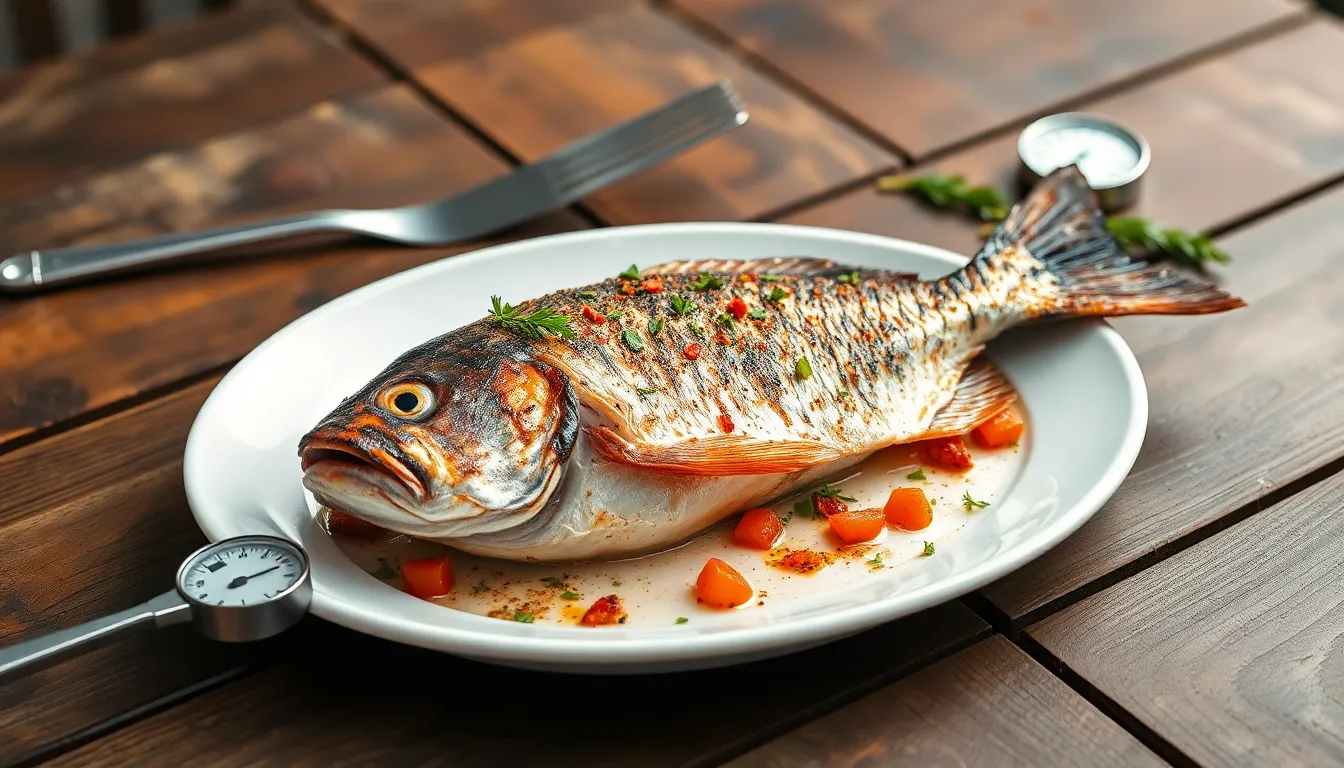
Are you ready to elevate your grilling game with a dish that promises to impress? Grilled hogfish is not just a meal; it’s an experience that highlights the delicate flavors and textures of this exquisite fish. Renowned for its firm, white meat and subtly sweet taste, hogfish is a versatile choice that shines on the grill. Grilling brings out the natural flavors of the fish while infusing it with a delightful smoky aroma. When executed properly, grilled hogfish showcases a beautifully charred exterior that complements its tender, flaky interior, creating a dish that is both visually appealing and palatable. This comprehensive guide will take you through every step of the process, from ingredient selection to cooking techniques, ensuring you achieve a restaurant-quality result in the comfort of your own home.
Ingredient/Component Selection Criteria
Choosing the right ingredients is crucial for making outstanding grilled hogfish. Here are the key components and how to select them:
- Hogfish: When selecting hogfish, freshness is paramount. Look for whole hogfish or fillets that exhibit clear, bright eyes, shiny skin, and a mild ocean scent. Freshness is a key indicator of quality; if you’re purchasing fillets, they should feel firm to the touch and be free from any discoloration or strong fishy odors. Hogfish can often be found at local seafood markets or specialty grocery stores, and it’s beneficial to ask the fishmonger about its source to ensure quality.
- Marinade: A simple yet flavorful marinade can elevate your grilled hogfish to new heights. Consider using a combination of olive oil, fresh lemon juice, minced garlic, and a variety of fresh herbs such as parsley, dill, or thyme. Opt for high-quality extra virgin olive oil for the best flavor, as it will enhance the overall taste without overshadowing the fish. Additionally, fresh herbs not only add flavor but also provide a pop of color that enhances presentation.
- Seasonings: The right seasonings can accentuate the natural flavors of the fish without overpowering it. A basic mix of salt and pepper is essential, but consider adding a dash of paprika for smokiness or cayenne for a hint of heat. Experimenting with different spices can personalize the dish, allowing you to cater it to your specific taste preferences or those of your guests.
Required Tools and Equipment
To grill hogfish effectively and achieve the best results, you will need the following tools:
- Grill: Whether you choose a charcoal or gas grill, both options can produce fantastic results. Charcoal grills impart a deeper smokiness to the fish, while gas grills offer more precise temperature control. If outdoor grilling isn’t an option, a grill pan on the stovetop can be an effective alternative, allowing you to achieve those beautiful grill marks.
- Fish spatula: This specialized tool is designed for handling delicate fish fillets without breaking them apart. Its wide, slotted design allows for easy flipping and lifting, ensuring that your hogfish remains intact during the grilling process. A regular spatula may not provide the same level of support and can result in a messy presentation.
- Meat thermometer: To ensure your fish is cooked perfectly, a meat thermometer is invaluable. It takes the guesswork out of cooking and helps you achieve the ideal internal temperature of 145°F. This tool is not only useful for fish but also for other meats, making it a worthy investment for any home cook.
- Marinating container: A shallow dish or resealable plastic bag is ideal for marinating the hogfish. A shallow dish allows for maximum surface area contact with the marinade, ensuring that the fish absorbs all the flavors. If using a bag, squeeze out excess air to promote even marination.
- Basting brush: A basting brush is useful for applying marinades and keeping the fish moist during grilling. This tool allows for even distribution of the marinade, enhancing flavor and moisture retention throughout the cooking process.
Preparation Timeline and Planning
Proper planning can make the cooking process smoother and more enjoyable. Here’s a suggested timeline:
- 1 Day Before: Make a trip to your local seafood market to purchase fresh hogfish and other ingredients. Planning ahead allows you to select the freshest fish available, which is key to achieving the best flavor in your grilled dish.
- 4 Hours Before Cooking: Prepare the marinade and marinate the hogfish for 2-4 hours in the refrigerator. This step is essential, as it allows the flavors to penetrate the fish, enhancing its taste and tenderness. Be sure to turn the fish occasionally to ensure even marination.
- 30 Minutes Before Cooking: Preheat the grill and allow the hogfish to come to room temperature. Bringing the fish to room temperature ensures even cooking, preventing it from becoming rubbery or tough. Preheat the grill to medium-high heat (about 375°F to 450°F) for optimal grilling conditions.
- Cooking Time: The grilling process will take approximately 10-15 minutes, depending on the thickness of the fillets. Keep a close eye on the fish as it cooks, and use a meat thermometer to check the internal temperature to ensure it is cooked perfectly.
Step-by-Step Detailed Instructions
Follow these steps to create perfectly grilled hogfish:
- Prepare the Marinade: In a bowl, mix together 1/4 cup of high-quality olive oil, the juice of 1 lemon, 2 minced garlic cloves, salt, pepper, and your choice of fresh herbs (such as parsley or thyme). The olive oil acts as a carrier for the flavors while also keeping the fish moist during grilling. The acidity from the lemon juice helps to tenderize the fish while adding a bright flavor.
- Marinate the Fish: Place the hogfish in a marinating container and pour the marinade over it, ensuring the fish is well coated. Cover and refrigerate for 2-4 hours. This marination process is crucial, as it infuses the fish with flavors that enhance its natural taste. A longer marination time can intensify the flavor, but be cautious not to exceed 4 hours, as the acid in the marinade can begin to ‘cook’ the fish.
- Preheat the Grill: Heat your grill to medium-high heat (about 375°F to 450°F). If using charcoal, allow the coals to turn white before cooking. Proper preheating is vital as it helps prevent the fish from sticking to the grates and promotes even cooking. An adequately heated grill will sear the fish quickly, locking in moisture and flavor.
- Prepare the Grill Grate: Lightly oil the grill grates to prevent sticking. You can use a paper towel dipped in oil and held with tongs to coat the grates evenly. This step is essential for achieving those perfect grill marks and ensuring that the fish releases easily from the grate.
- Grill the Hogfish: Remove the fish from the marinade and place it on the grill. Grill for about 5-7 minutes on each side, or until the internal temperature reaches 145°F and the fish flakes easily with a fork. Turn the fish only once to avoid breaking it apart; patience is key here! A good tip is to leave the fish undisturbed during the first half of the cooking time to allow for proper searing.
- Baste as Needed: If desired, you can baste the fish with leftover marinade during grilling to enhance flavor and moisture. This not only adds flavor but also helps to keep the fish succulent. However, avoid using the marinade that has come into contact with raw fish unless it has been boiled to eliminate any bacteria.
Quality Indicators and Checkpoints
To ensure your grilled hogfish turns out perfectly, keep these quality indicators in mind:
- Color: The fish should turn opaque and white, indicating it’s cooked through. A vibrant, white color is a sign of freshness and proper cooking. If the fish still appears translucent, it needs more time on the grill.
- Texture: The flesh should easily flake with a fork but remain moist. Avoid overcooking, which can lead to a dry texture. Perfectly cooked hogfish will have a tender and buttery texture that melts in your mouth, while overcooked fish becomes tough and chewy.
- Temperature: Use a meat thermometer to check for an internal temperature of 145°F. This step is crucial for food safety and ensures that the fish is cooked to perfection. Measuring the temperature at the thickest part of the fillet will give you the most accurate reading.
Serving, Presentation, or Finishing Tips
Presentation can elevate your grilled hogfish from simple to spectacular:
- Garnish: Serve the hogfish with fresh herbs, lemon wedges, or a sprinkle of paprika for color. A vibrant garnish not only enhances the visual appeal but also provides additional flavors that complement the fish.
- Side Dishes: Pair the grilled hogfish with grilled vegetables, a fresh salad, or rice for a complete meal. Dishes like Mediterranean quinoa salad or roasted asparagus create a well-rounded dining experience and add color to your plate.
- Plating: Place the fish on a large platter and arrange sides around it for an inviting presentation. A well-arranged plate invites diners to dig in and showcases your culinary skills. Consider using a colorful platter to make the dish pop.
Storage, Preservation, or Maintenance
If you have leftovers or want to prepare in advance, consider these storage tips:
- Refrigeration: Store grilled hogfish in an airtight container in the refrigerator for up to 2 days. Proper storage is essential to maintain freshness and prevent spoilage. Make sure the fish is cooled to room temperature before sealing it in a container.
- Freezing: For longer storage, wrap the grilled fish tightly in plastic wrap and aluminum foil before freezing. It can be frozen for up to 3 months. Label the package with the date to keep track of freshness. When ready to use, thaw the fish in the refrigerator overnight before reheating.
- Reheating: To reheat, place the fish in a preheated oven at 350°F until warmed through, about 10 minutes. Avoid using a microwave, as it can make the fish rubbery. Reheating in the oven allows for even warming while preserving texture.
Variations and Customization Options
Get creative with your grilled hogfish by trying these variations:
- Spicy Marinade: Add chili flakes or Sriracha to the marinade for a spicy kick. This variation can cater to those who enjoy heat in their dishes, offering a new dimension of flavor that pairs well with the sweetness of the fish.
- Citrus Twist: Use lime or orange juice instead of lemon for a different flavor profile. Each citrus fruit brings its unique acidity and sweetness, allowing you to customize the dish based on the season or personal preference.
- Herb Infusion: Experiment with different herbs like dill, cilantro, or basil to suit your taste preferences. Herbs can dramatically change the character of the dish, making it fresh and vibrant or savory and earthy, depending on your choices.
Conclusion
Grilling hogfish not only creates a delicious meal but also allows you to explore the culinary potential of this unique fish. By selecting the freshest ingredients, mastering the grilling technique, and presenting your dish beautifully, you can impress family and friends alike. Remember to keep an eye on the cooking temperature and use quality seasonings to enhance the flavors without overwhelming the fish. The next time you’re looking for a standout dish for your grill, consider grilled hogfish as the star of your meal. Take the plunge, experiment with different marinades and sides, and enjoy the delightful results of your culinary adventure. Happy grilling!