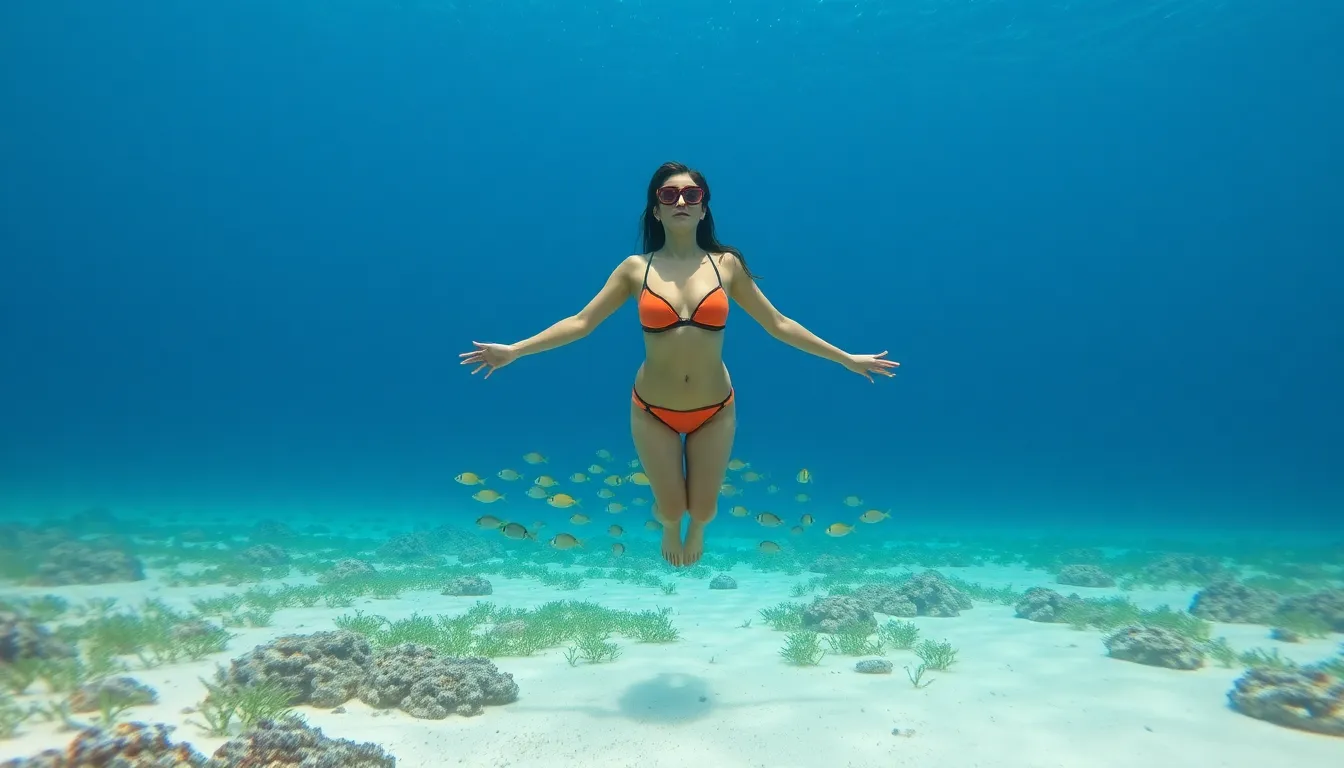
In the world of spearfishing, mastering the technique of holding your breath longer is crucial for success. This skill allows you to dive deeper and stay underwater longer, increasing your chances of encountering fish and effectively executing your hunting strategies. Whether you are hunting in shallow reefs or deep sea environments, the ability to extend your breath-hold is a key component of your overall spearfishing technique.
Holding your breath effectively not only enhances your performance but also contributes to your safety as you navigate underwater habitats. A well-practiced breath-hold can help you maintain calmness, conserve energy, and avoid panic in challenging situations. In this article, we will explore various aspects of breath-holding techniques specifically tailored for spearfishing, providing you with comprehensive insights and practical applications.
Prerequisites: Breath-Hold and Swimming Skills
Before diving into advanced breath-hold techniques, it is essential to assess your current swimming and breath-holding abilities. Spearfishing requires a strong foundation in both disciplines to ensure safety and efficiency.
Swimming Proficiency
- Basic Swimming Skills: Ensure that you are comfortable in the water. Being able to swim well helps you manage your energy levels and enhances your overall experience.
- Comfort with Underwater Environments: Familiarize yourself with various underwater conditions, including currents and visibility. This knowledge will help you adapt your breath-hold techniques accordingly.
Breath-Hold Experience
- Initial Breath-Hold Attempts: Start with short breath-holds to gauge your current capacity. Gradually increase the duration as you become more comfortable.
- Relaxation Techniques: Incorporate relaxation exercises into your practice routine. Learning to relax reduces oxygen consumption and extends your breath-holding potential.
Detailed Execution Breakdown with Underwater Considerations
Executing breath-hold techniques requires a combination of physical preparation, mental focus, and environmental awareness. Below are the key steps to effectively hold your breath while spearfishing:
Preparation
- Pre-Dive Breathing: Engage in diaphragmatic breathing for several minutes before your dive. Inhale deeply through your nose, expanding your diaphragm, and exhale slowly through your mouth.
- Hydration: Ensure you are well-hydrated before diving, as dehydration can impair your physical performance.
Underwater Considerations
- Body Positioning: Maintain a streamlined position while descending to minimize resistance. The more streamlined you are, the less oxygen you will expend.
- Equalization Techniques: Familiarize yourself with equalization methods to prevent discomfort as you dive deeper.
Executing the Breath-Hold
As you dive, focus on maintaining a calm mindset. Here’s a step-by-step approach:
- Take a series of deep breaths before the dive.
- Submerge, keeping your body relaxed and streamlined.
- Monitor your surroundings for fish while conserving your energy.
- As you approach your limit, prepare to ascend slowly, ensuring safety and comfort.
Common Errors Specific to Underwater Hunting
Even experienced spearfishers can make mistakes that compromise their breath-holding effectiveness. Here are some common errors to avoid:
Overexertion
- Many divers push themselves too hard, leading to early fatigue. Instead, focus on maintaining a steady pace and conserving energy.
Panic and Anxiety
- Feeling anxious or panicking can increase your oxygen consumption. Practice relaxation techniques to stay calm underwater.
Improper Equalization
- Failing to equalize properly can lead to discomfort and limit your ability to dive deeper. Ensure that you practice equalization techniques regularly.
Advanced Variations for Different Conditions
As you gain confidence in your breath-holding abilities, consider adapting your techniques for various underwater conditions:
Deep Diving Techniques
- Utilize freefall techniques to conserve energy during descent. Allow gravity to aid your descent instead of swimming down.
Shallow Water Hunting
- In shallow waters, practice quick breath-holds to maximize your efficiency while hunting for fish hiding in rocks or vegetation.
Practice Drills for Pool and Open Water
Consistency is key to mastering breath-hold techniques. Incorporate the following drills into your practice routine:
Pool Drills
- Static Apnea: Practice holding your breath while floating face down in a pool. Focus on relaxation and minimizing movement.
- Dynamics with Fins: Swim horizontally underwater using fins while holding your breath. Aim to cover a certain distance without surfacing.
Open Water Drills
- Depth Training: Gradually increase the depth of your dives while practicing breath-hold techniques. Monitor your comfort level and ensure safety.
- Partnered Drills: Work with a buddy to practice safety protocols and simulate real hunting scenarios.
Performance Metrics and Breath-Hold Integration
To track your progress, consider implementing performance metrics that can help you gauge improvements in your breath-holding capabilities:
Duration Tracking
- Record the duration of your breath-holds in different conditions to analyze your progress over time.
Depth Measurement
- Use a depth gauge to track how deep you can go while maintaining your breath-hold. This metric can help you set specific goals.
Safety Protocols and Emergency Procedures
Safety should always be your top priority while spearfishing and practicing breath-holding techniques. Follow these essential protocols:
Safety Checkpoint Lists
- Buddy System: Always dive with a partner to ensure someone is monitoring your safety.
- Pre-Dive Briefing: Discuss your dive plan with your buddy, including depth, duration, and emergency procedures.
Emergency Procedures
- Recognizing Signs of Hypoxia: Be aware of symptoms such as dizziness or impaired vision, which indicate that you need to surface immediately.
- Rescue Techniques: Familiarize yourself with rescue procedures for hypoxic events, including the recovery position and signaling for help.
By diligently following these techniques, drills, and safety protocols, you can significantly improve your breath-holding capabilities for spearfishing. Remember, practice makes perfect—continually refine your skills and enjoy the rewarding experience of underwater hunting.