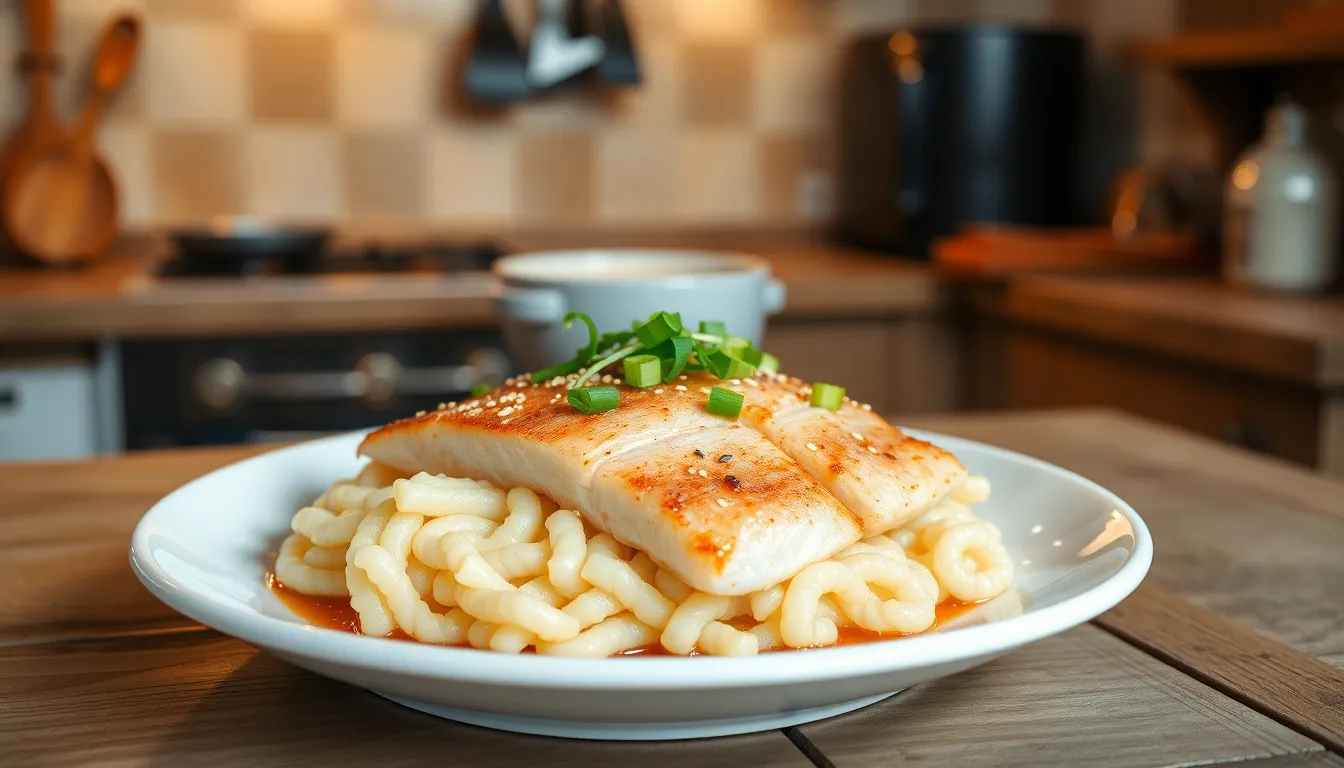
Simmered dishes are one of the most popular menus in Japanese home cooking. By slowly simmering fish, meat, or vegetables in a sweet and savory sauce, the umami of the ingredients is brought out, allowing you to enjoy a rich flavor. In fact, simmered dishes can be said to symbolize Japanese food culture, and the charm lies in being able to enjoy seasonal ingredients. Mastering this dish not only enriches your home dining table but also allows you to confidently serve it when entertaining friends and family. In this article, we will explain the basic method of making simmered dishes in detail, supporting beginners to create it without failure.
Necessary Ingredients and Tools
To make simmered dishes, prepare the following ingredients and tools.
- Ingredients:
- Fish (mackerel, yellowtail, salmon, etc.) 400g: It is important to choose fresh fish. Specifically, look for fish with clear eyes and firm flesh. Fresh fish greatly influences the taste and texture when made into a simmered dish.
- Soy sauce 100ml: This is a basic seasoning for simmered dishes that provides a deep flavor. If possible, using naturally brewed soy sauce will enhance the richness of the flavor.
- Mirin 50ml: This is an essential seasoning to add sweetness. Using cooking-grade hon-mirin increases the aroma and richness.
- Sugar 1 tablespoon: This is used to adjust sweetness. You can enjoy different flavors by using not only white sugar but also brown sugar or honey.
- Ginger (sliced) 1 piece: This enhances flavor and helps eliminate the fishy smell. Using fresh ginger will provide a richer aroma.
- Water 200ml: Using mineral water for the base of the simmering liquid will result in a more delicious dish.
- Tools:
- Pot: Using a deep pot prevents splattering of the simmering liquid and ensures even cooking.
- Measuring cup: This is necessary for measuring accurate amounts.
- Ladle: This is convenient for scooping the simmering liquid.
- Knife: This is used for preparing the fish and cutting the ingredients.
- Cutting board: This is necessary for hygienically cutting the ingredients.
Prerequisite Knowledge and Skill Level
Making simmered dishes does not require special cooking techniques, but having the following basic knowledge is beneficial.
- How to prepare fish: Before cooking fish, it is important to remove the entrails and thoroughly scale it. Neglecting this can affect the taste. Depending on the type of fish, specific preparation may be necessary, so it is advisable to research in advance.
- Measuring seasonings using measuring spoons or cups: Proper seasoning is crucial for simmered dishes, so accurate measurement is required. Especially for liquid seasonings like soy sauce and mirin, adding them by eye can alter the taste, so use a measuring cup.
- How to use heat on the stove: It is important to cook simmered dishes slowly. Cooking on high heat can cause the fish to break apart, so it is essential to adjust to medium or low heat and simmer for a longer time.
How to Make Simmered Dishes: Step by Step
- Prepare the fish: Scale the fish, remove the entrails, and wash it thoroughly. If necessary, scrape off the scales with a knife. The key point here is handling the entrails. Especially with fresh fish, if the entrails are left inside, it can produce an unpleasant smell, so handle it carefully. As a professional tip, after removing the entrails, washing the fish thoroughly with cold water helps maintain freshness and improves flavor.
- Measure the ingredients: Measure soy sauce, mirin, sugar, and water using a measuring cup. Accurate amounts will influence the taste of the simmered dish, so measure carefully. Additionally, the type of sugar used can change the sweetness and flavor, so it is important to choose according to your preference.
- Add the ingredients to the pot: Place the fish in the pot and add the measured soy sauce, mirin, sugar, ginger, and water on top. The order of adding the ingredients is not crucial, but placing the seasonings on top of the fish helps them absorb the flavor more evenly. Furthermore, a professional tip here is to lightly mix the simmering liquid beforehand, which helps the sugar dissolve more easily and the flavors meld better.
- Apply heat: Place the pot over medium heat and bring it to a boil. Once boiling, reduce the heat, cover, and simmer for about 15 minutes. Covering the pot prevents steam from escaping, resulting in a softer finish. As a professional tip, after 15 minutes, remove the lid once and ladle the simmering liquid over the fish to ensure the flavor is evenly absorbed.
- Adjust the flavor: If the simmering liquid is reducing, taste and add soy sauce or sugar as needed. The best time to taste is after the liquid has reduced. As a professional tip, adjust the flavor gradually to achieve your desired taste.
- Finish: Once the fish is cooked, turn off the heat and let it sit for a few minutes to allow the flavors to meld. The key point here is to let the residual heat thoroughly infuse the flavors. As a professional tip, after making the simmered dish, letting it sit for a while before reheating enhances the depth of flavor.
Common mistakes and warnings that beginners tend to make
Below are common mistakes that beginners often make when preparing simmered dishes.
- Insufficient preparation of the fish: If the entrails or scales are left on, it will affect the flavor. In particular, it is important to thoroughly remove the entrails as they can cause a fishy smell. As a professional tip, after preparation, rinsing the fish with cold water can further eliminate any odor.
- The heat is too high: Cooking on high heat can cause the fish to break apart. It is important to simmer on medium to low heat. As a professional tip, bringing it to a boil on medium heat first and then immediately switching to low heat will help prevent the fish from falling apart.
- If you feel the flavor is weak, don’t forget to add seasonings later: Adjust the flavor when the cooking liquid has reduced. Especially since the flavor intensifies with longer cooking times, it’s key to adjust gradually.
Troubleshooting
If problems arise during cooking, try the following solutions.
- If the cooking liquid is about to burn: Lower the heat and be careful to prevent the cooking liquid from burning. If it burns, it will affect the overall flavor, so extra caution is needed.
- If the flavor is weak: When the cooking liquid has reduced, add soy sauce or mirin to adjust the flavor. The key here is to add a little at a time and taste as you go.
- If the fish has fallen apart: This is caused by overcooking. Next time, pay attention to the heat and simmer slowly. As a professional tip, bringing the cooking liquid to a slight boil before adding the fish will help prevent it from breaking apart.
Confirming success and the next steps
You can check if the simmered dish was successful by the following points.
- The fish should be thoroughly cooked and the flavor should be absorbed. Ideally, it should be cooked to the point where the flesh flakes apart.
- It should look appetizing. It is important that the color and sheen are appealing, enticing the appetite.
If successful, try making simmered dishes with other ingredients next. For example, simmered chicken or vegetables can also turn out delicious. Experiment with various variations and enjoy the charm of simmered dishes. Additionally, by adding spices or herbs as an arrangement, you can enjoy different flavors. By incorporating new ingredients and seasonings, you can evolve your simmered dish recipes.
Summary
Simmered dishes are one of the representative dishes of Japanese food culture and can be easily made at home. By carefully selecting ingredients, performing thorough preparation, and simmering at the appropriate heat, you can fully bring out the umami of the ingredients. By avoiding common mistakes that beginners tend to make and incorporating professional tips, you can create even more delicious simmered dishes. Please use this article as a reference and challenge yourself to make simmered dishes. By enjoying your own original simmered dishes, you can improve your cooking skills and discover new culinary delights.