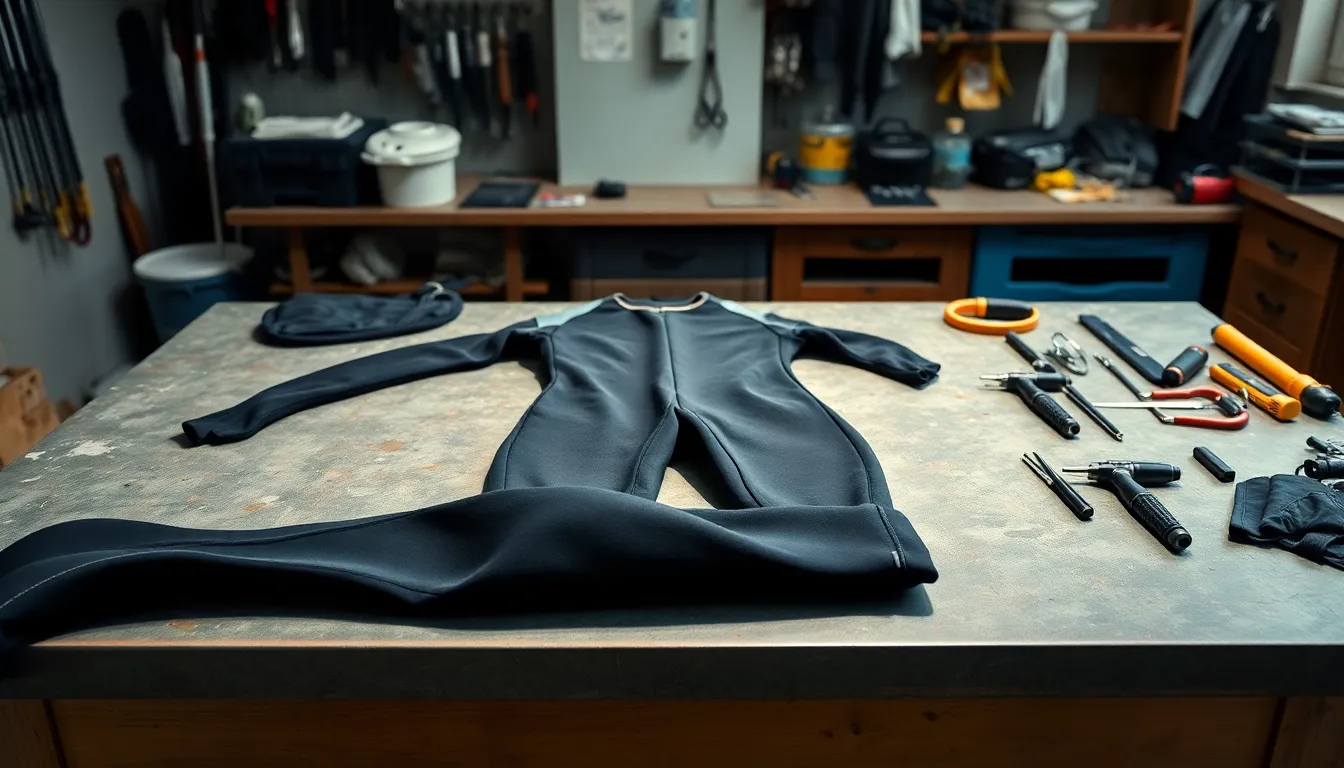
For spearfishing enthusiasts, a neoprene wetsuit is not just an accessory; it is a vital piece of equipment that ensures comfort, safety, and performance in the water. Did you know that the right wetsuit can enhance your ability to stay underwater longer by providing essential thermal insulation and buoyancy? However, understanding the lifespan of your wetsuit and the various factors that influence its durability is key to making informed decisions about maintenance and repairs. Typically, a well-cared-for neoprene wetsuit can last anywhere from 3 to 10 years. This range primarily depends on how frequently you use it, the specific water conditions it encounters, and the maintenance practices you implement. By being proactive and knowledgeable about your wetsuit’s needs, you can significantly extend its life, ensuring that you are always ready for your next underwater adventure.
Key factors influencing the lifespan of a wetsuit include:
- Frequency of Use: Regular use in harsh conditions, such as rocky or coral-laden environments, can lead to accelerated wear and tear, necessitating more frequent repairs or replacements.
- Water Quality: Exposure to saltwater, chlorinated pools, and even certain organic materials can degrade neoprene over time. Prolonged exposure to UV light from the sun can also weaken the material, affecting its insulating properties.
- Storage Conditions: Improper storage, such as leaving the wetsuit crammed in a bag or exposed to direct sunlight, can cause irreversible damage. It’s essential to store your wetsuit in a cool, dry place to preserve its integrity.
Daily and Routine Maintenance Procedures
To ensure your neoprene wetsuit remains in top condition, proper daily and routine maintenance is crucial. By following a few straightforward steps after each use, you can prevent premature wear and help detect potential issues early, saving you time and money in the long run.
Daily Care
After each use, it is imperative to rinse your wetsuit thoroughly with fresh water. This simple act removes salt, sand, and chlorine that can damage the material over time. It’s beneficial to use a gentle flow of water rather than a high-pressure spray, which could force water into seams and cause damage. You should also turn your wetsuit inside out while rinsing to ensure that both the inside and outside are cleaned effectively. After rinsing, hang the wetsuit to dry in a shaded area away from direct sunlight to avoid degrading the neoprene.
Routine Checks
Performing routine inspections of your wetsuit for any signs of wear is essential in prolonging its lifespan. Check for:
- Stitching Integrity: Examine the seams where the neoprene panels are stitched together. Look for any loose threads or signs of separation. A stitch can easily unravel in areas exposed to stress, and addressing these issues promptly can prevent further damage.
- Surface Abrasions or Tears: Inspect the outer layer of the wetsuit for any abrasions or small cuts. These may seem minor at first but can lead to larger tears if not addressed in a timely manner. Consider using a neoprene patch to repair any small cuts.
- Discoloration or Stiffness: If you notice any discoloration, stiffness, or brittleness, it may indicate that the neoprene is breaking down. These signs are often caused by prolonged exposure to UV light or chemicals, and it may be time to consider repair or replacement.
Deep Cleaning and Servicing Protocols
In addition to daily rinsing, deep cleaning your wetsuit is essential at least once a month, particularly if you frequently use it in chlorinated water or saltwater environments. Regular deep cleaning helps remove embedded salt, sand, or chlorine that can compromise the material’s integrity over time. Follow these steps for effective cleaning:
- Soak: Fill a bathtub or large basin with lukewarm water and add a wetsuit-specific cleaner. These cleaners are formulated to safely break down dirt and oils without damaging the neoprene.
- Soak Time: Allow the wetsuit to soak for 15-20 minutes to give the cleaner time to work. This soaking period is crucial for loosening any stubborn debris.
- Gentle Scrub: Use a soft brush to clean areas with heavy soiling, such as the cuffs, neckline, and knees. Be gentle to avoid damaging the neoprene material. This step is particularly important if you have been spearfishing in areas with lots of algae or particulates.
- Rinse Thoroughly: Ensure all soap is removed by rinsing the wetsuit thoroughly with fresh water, as leftover cleaner can degrade the neoprene over time. Pay special attention to the inside of the suit to remove any residues.
Storage Recommendations and Best Practices
How you store your wetsuit can significantly affect its longevity. Proper storage practices help maintain flexibility and prevent damage. Here are some best practices to consider:
- Hang Dry: Always hang your wetsuit to dry in a shaded area, avoiding direct sunlight that can degrade the neoprene. Use a wide hanger to distribute the weight evenly, which helps maintain the suit’s shape and prevents stretching.
- Use a Wide Hanger: Storing your wetsuit on a wide hanger is crucial to prevent creasing and stretching. A hanger designed for wetsuits or a padded hanger is ideal, as it will support the shoulders and prevent unsightly marks.
- Fold or Roll: If you must store it folded, do so carefully to avoid sharp bends. Rolling the wetsuit rather than folding it can help maintain its shape and flexibility. If you choose to fold it, ensure it is done along natural creases to minimize stress on the material.
Common Wear Indicators and Warning Signs
Recognizing the common wear indicators of a neoprene wetsuit can save you from costly repairs or replacements. Here are some warning signs to watch for:
- Tears and Holes: Small tears can often be repaired with neoprene adhesive, but larger holes may necessitate replacement. Regularly inspect high-stress areas, especially around the knees and elbows, as these are more prone to damage during use.
- Loose Seams: Inspect the seams regularly; if they are coming apart, it may signal a need for repair. A seam that is beginning to separate can lead to more significant leaks if not addressed promptly.
- Loss of Flexibility: If the neoprene feels stiff or brittle, it may be time to consider a new wetsuit. Flexibility is key in a wetsuit, as it allows for better movement in the water. A loss of elasticity can hinder your performance and comfort.
Repair vs Replacement Decision Guidelines
As a cost-conscious spearfishing enthusiast, knowing when to repair or replace your wetsuit is crucial. Consider the following guidelines:
- Minor Repairs: If the damage is limited to a small tear or seam issue, repair is usually the best option. A timely patch can extend the life of your wetsuit significantly, allowing you to continue enjoying your underwater pursuits.
- Extensive Damage: If multiple areas are compromised or the suit is over 5 years old, replacement may be more cost-effective. Consider the overall condition of the wetsuit; if the material is thinning or if you notice multiple issues, investing in a new suit could be wiser.
- Performance Needs: If you find your wetsuit no longer meets your thermal or buoyancy needs due to advancements in technology or changes in your diving style, it might be time to invest in a new one. Newer wetsuit models often feature improved materials and designs that enhance performance.
DIY Repair Instructions for Common Issues
Repairing minor tears in your neoprene wetsuit can be a simple DIY task, saving you time and money. Here’s how to do it:
Materials Needed
- Neoprene adhesive: Choose a high-quality neoprene adhesive specifically designed for wetsuits, as it will provide the best bond.
- Scissors: A good pair of scissors will help you trim any frayed edges before applying the adhesive.
- Cloth or sponge for application: Use a clean cloth or sponge to apply the adhesive evenly, ensuring it penetrates the material.
- Masking tape (optional): You can use masking tape to hold the edges of the tear together while the adhesive cures.
Step-by-Step Repair Process
- Clean the Area: Rinse the damaged area with fresh water and let it dry thoroughly. This step is crucial for ensuring a strong bond between the adhesive and the neoprene.
- Trim the Tear: Use scissors to trim any frayed edges for a clean repair. Removing any loose material will help the adhesive adhere better and create a stronger seal.
- Apply Adhesive: Follow the manufacturer’s instructions for applying neoprene adhesive to both sides of the tear. Be generous but avoid over-application, which could create a mess.
- Press Together: Align the edges and press them together firmly. You can use masking tape to hold the edges in place while curing for additional stability.
- Let Cure: Allow the adhesive to cure for the recommended time before using the wetsuit. This step is essential for ensuring the repair holds under pressure and water.
Professional Service Recommendations
If the damage to your wetsuit exceeds what can be repaired at home, seeking professional help is advisable. Many local dive shops and specialized wetsuit repair services offer expert repairs, ensuring your suit is handled with care. When selecting a service, consider:
- Reviews and recommendations from fellow spearfishers: Look for testimonials online or ask your local diving community for recommendations to find a trusted repair service.
- Expertise in neoprene repairs: Not all repair services may have experience with neoprene. Ensure the technicians are familiar with wetsuit materials and repair techniques.
- Turnaround time and pricing: Get estimates for the repair cost and inquire about how long repairs will take, especially if you need your wetsuit soon for an upcoming trip.
Replacement Parts Sources and Availability
For those who prefer to handle their repairs or modifications, knowing where to find replacement parts is essential. Here are some reliable sources for neoprene wetsuit parts:
- Online Retailers: Websites like Amazon, eBay, and specialty dive shops often stock neoprene patches, adhesives, and repair kits. Make sure to read reviews and check the quality of the products before purchasing.
- Local Dive Shops: Many local shops carry repair kits tailored specifically for wetsuits, which can include everything you need for minor repairs.
- Manufacturer Websites: Check the manufacturer’s site for authorized parts and repair materials, ensuring compatibility with your specific wetsuit model.
By following these comprehensive guidelines on how to repair a neoprene wetsuit tear, you can extend the life of your wetsuit, ensuring you remain prepared for your next spearfishing adventure.
Conclusion: Maximizing Your Wetsuit’s Lifespan
In conclusion, understanding how to care for your neoprene wetsuit is essential for any spearfishing enthusiast. From daily maintenance routines to recognizing wear indicators and knowing when to seek professional help, every step you take contributes to prolonging the life of your wetsuit. Regular cleaning, proper storage, and timely repairs can save you money in the long run and enhance your overall diving experience. Remember that a well-maintained wetsuit not only protects you in the water but also enhances your performance. As you gear up for your next adventure, take a moment to assess your wetsuit’s condition and implement these practices to ensure it serves you well for years to come. Stay safe, dive smart, and enjoy the underwater world!