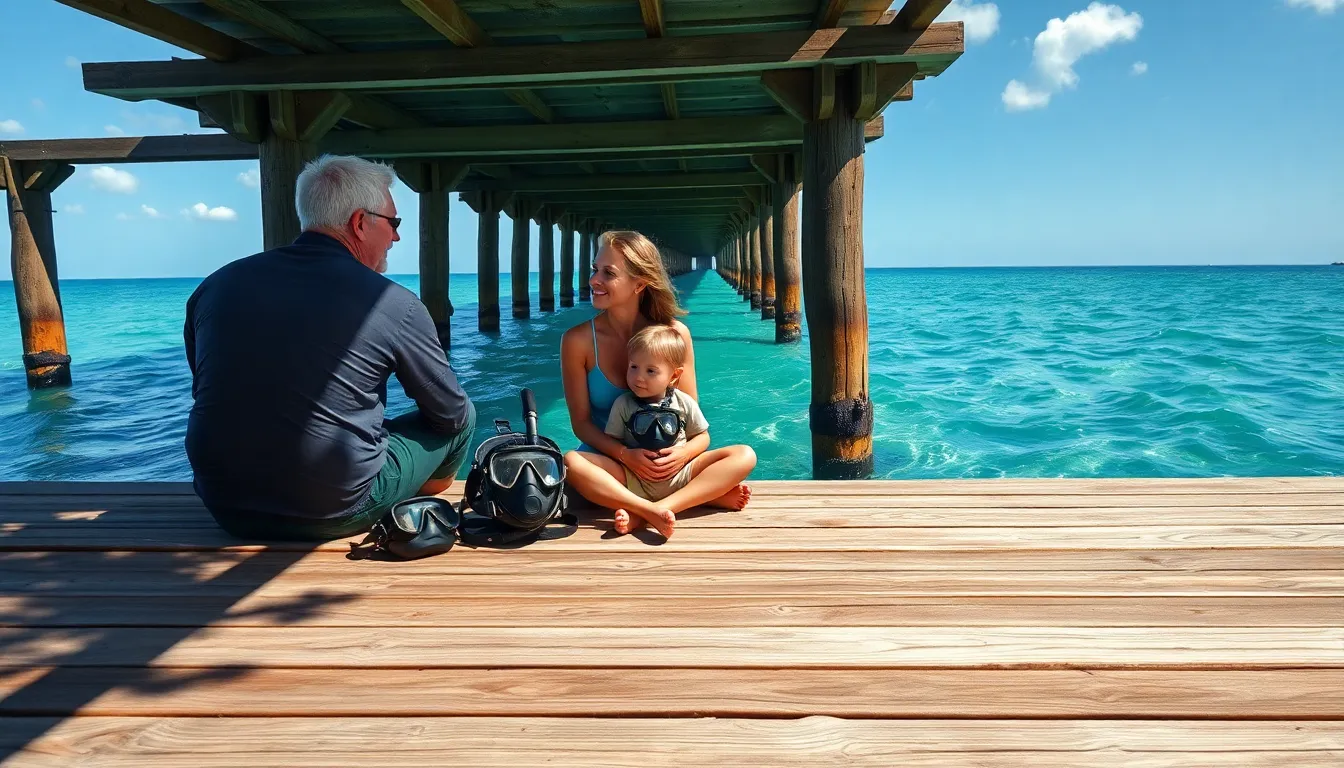
Have you ever watched skilled spearfishers glide effortlessly through the water, returning with impressive catches, and thought, “How do they do that?” Finding a mentor in spearfishing can dramatically enhance not only your skills but also your overall enjoyment of this exhilarating sport. A mentor can provide personalized guidance, share invaluable insights from their own experiences, and help you navigate the often-challenging learning curve. Whether you’re just starting or looking to refine your techniques, having someone to mentor you can lead to faster improvements, deeper understanding, and more enjoyable outings. This guide explores effective strategies for finding a spearfishing mentor, ensuring you have the support you need as you embark on this underwater adventure.
By the end of this guide, you will be equipped with practical steps and resources to connect with experienced mentors who can help you reach your spearfishing goals.
Required Materials and Tools
- Internet Access: In today’s digital age, having internet access is crucial for research and connecting with potential mentors. Online platforms can help you find local spearfishing communities, forums, and social media groups where experienced spearfishers share their knowledge. Additionally, you can use the internet to access educational resources such as videos, articles, and online courses that can supplement your learning experience.
- Spearfishing Gear: To fully engage in practical sessions with your mentor, it’s important to have the right gear. Essential equipment includes a wetsuit, which provides thermal protection; a mask and snorkel for visibility and breathing; and a spear gun that suits your skill level. Each piece of gear plays a vital role in enhancing your performance and safety underwater. For novices, renting gear from local dive shops can be a cost-effective way to start.
- Notebook or Journal: Keeping a detailed record of your lessons and progress is invaluable. A notebook or journal allows you to jot down important tips, techniques, and personal reflections after each session. This practice not only reinforces learning but also helps you track improvements over time. Consider creating a dedicated section for questions you want to explore further, which can guide your discussions with your mentor.
- Local Community Resources: Engaging with local spearfishing clubs, forums, and social media groups can open doors to mentorship opportunities. These resources often provide information on upcoming events, training sessions, and workshops where you can meet experienced spearfishers. Being active in these communities allows you to ask questions, share experiences, and build relationships that can lead to mentorship.
Prerequisites and Skill Level
This guide is designed for individuals at all skill levels, from complete beginners to seasoned spearfishers looking for mentorship. However, before seeking a mentor, it is essential to have a foundational understanding of spearfishing safety practices. Familiarizing yourself with the basic principles of spearfishing—such as buoyancy control, equalization techniques, and marine life awareness—will not only enhance your safety but also demonstrate your commitment to learning. If you are entirely new to the sport, consider taking an introductory course or engaging with resources that cover essential safety guidelines and equipment usage. This preparation will make you a more informed and attractive mentee.
Step-by-Step Instructions
1. Define Your Goals
Before embarking on your search for a mentor, it’s crucial to take some time to define your goals. What specific skills do you want to improve? Are you interested in enhancing your hunting techniques, understanding fish behavior, or mastering safety practices? Setting clear goals will not only focus your search but also attract a mentor whose expertise aligns with your aspirations. For example, if you’re keen on improving your breath-holding abilities, look for a mentor who specializes in free diving techniques. This will ensure that the time spent together is productive and tailored to your needs.
Additionally, consider creating a list of skills you want to work on, and prioritize them. This will help you communicate effectively with potential mentors about your learning interests and aspirations.
2. Research Local Spearfishing Communities
The first step in finding a mentor is to research local spearfishing clubs, forums, and online communities. Websites like SpearAndHunt.com, various social media groups, and local dive shops serve as valuable resources for connecting with experienced spearfishers. When you engage with these communities, don’t just observe; participate actively by asking questions, sharing your experiences, and expressing your desire to learn. Many seasoned spearfishers are more than willing to offer guidance to enthusiastic newcomers.
Additionally, consider visiting online platforms like Reddit or Facebook groups dedicated to spearfishing. These forums often have threads specifically for mentorship and advice, making them excellent venues to find potential mentors. Being an active participant in these communities will not only enhance your learning but may also lead to serendipitous connections with individuals eager to mentor.
3. Attend Spearfishing Events
Attending local spearfishing events, competitions, or workshops is an excellent way to meet experienced spearfishers who might be open to mentorship. Events like these provide a lively environment where you can observe various techniques in action, interact with fellow enthusiasts, and learn from the best in the sport. Look for opportunities such as local competitions, community clean-up dives, or workshops offered by dive shops.
Networking in person can often lead to meaningful connections, as people are generally more receptive to personal interactions. When you attend these events, approach experienced spearfishers, introduce yourself, and express your interest in learning more about the sport. Be genuine in your conversations, and don’t hesitate to ask for advice or guidance. Often, the best mentoring relationships begin with a simple conversation.
4. Reach Out to Potential Mentors
Once you’ve identified experienced spearfishers, it’s time to reach out. Don’t hesitate to send them a message via social media or email. When doing so, be polite and concise. Clearly express your interest in learning from them, outline your goals, and explain why you believe they would be a good fit as a mentor. Personalizing your message shows that you value their expertise and have done your homework.
For example, if you admire a mentor’s specific technique or success in competitions, mention that in your message. This approach not only flatters the potential mentor but also demonstrates your genuine interest. Remember, mentorship is a two-way street, so be prepared to discuss how you can also add value to their time and knowledge. This could be as simple as offering to help them with gear maintenance or sharing your own experiences in the sport.
5. Be Open to Feedback and Learning
When you find a mentor, it’s essential to maintain an open mind and be receptive to their feedback and guidance. Show enthusiasm for the learning process and demonstrate your commitment to improving your skills. This attitude will foster a positive mentoring relationship, encouraging your mentor to invest more time in your development. Approach each session with a readiness to embrace constructive criticism, as it is a crucial part of growth in any sport.
Additionally, ask questions when you don’t understand something. Mentorship is not just about receiving knowledge; it’s also about engaging in a dialogue. The more you communicate your thoughts and challenges, the more tailored your mentor’s guidance can be. Remember, effective learning comes from both listening and participating actively in discussions.
6. Schedule Regular Sessions
After establishing a mentoring relationship, it’s important to schedule regular practice sessions. Consistency is key when honing your spearfishing skills. Discuss with your mentor the frequency and structure of these sessions to maximize your learning. Whether it’s a weekly dive, bi-weekly workshops, or monthly meetings, having a set schedule helps both you and your mentor plan effectively.
During these sessions, focus on specific skills or techniques you want to master. For example, if you’re working on your diving technique, dedicate a session to practicing your buoyancy control or equalization methods. Regular practice not only reinforces what you learn but also builds your confidence and comfort in the water. Additionally, consider setting specific goals for each session, so both you and your mentor can evaluate your progress over time.
Common Mistakes and Warnings
- Not Being Specific: When reaching out to potential mentors, avoid vague requests. Instead, clearly state what you hope to learn and why you admire their expertise. For instance, instead of saying, “I want to get better at spearfishing,” specify what aspects you want to work on, such as improving your hunting techniques or understanding local marine life. This clarity helps your potential mentor understand how they can assist you and increases the likelihood of a positive response.
- Ignoring Safety Protocols: Safety should always be your top priority while learning to spearfish. This includes understanding local regulations, using proper gear, and practicing safe diving techniques. Never compromise on safety practices, even when under a mentor’s guidance. For example, always dive with a buddy, perform safety drills, and be aware of your surroundings. Remember, the ocean can be unpredictable, and having a solid grasp on safety protocols is critical for your well-being.
- Overloading Your Schedule: While it’s essential to practice regularly, overloading your schedule can lead to burnout, diminishing your enthusiasm for the sport. Find a balance that allows you to improve while still enjoying the learning process. For instance, if you’re feeling overwhelmed, it’s okay to reduce your practice sessions temporarily. Maintaining a healthy balance between practice and personal time ensures that you remain passionate about spearfishing in the long run.
Troubleshooting Section
If you encounter challenges in finding or connecting with a mentor, consider these tips:
- Expand Your Search: If your initial attempts to find a mentor don’t yield results, broaden your search. Look for online forums or regional spearfishing events that might connect you with experienced individuals. Don’t hesitate to reach out to dive shops or local clubs for recommendations as well. Sometimes, the best connections come from unexpected places, so keep an open mind.
- Be Patient: Building a mentorship relationship takes time. Don’t rush the process; being persistent but respectful can lead to fruitful connections. If a potential mentor doesn’t respond immediately, give them time. People have busy schedules, and a gentle follow-up after a week or two can be effective. Remember, the right mentorship relationship is worth the wait.
- Seek Alternative Learning Resources: If finding a mentor proves difficult, consider online courses, instructional videos, or books on spearfishing as supplementary resources. Many experienced spearfishers share their expertise through blogs, YouTube channels, or online classes. Engaging with these resources can provide valuable knowledge and techniques that you can later discuss with a mentor.
Success Indicators and Next Steps
Indicators of a successful mentorship include:
- Improved Skills: One of the most tangible indicators of a successful mentorship is noticeable progress in your spearfishing techniques and confidence levels. This may manifest as improved breath-hold times, better hunting accuracy, or enhanced buoyancy control, all of which contribute to a more enjoyable and successful spearfishing experience.
- Knowledge Acquisition: A deeper understanding of local marine life, safety measures, and spearfishing strategies is another sign of a fruitful mentorship. As you learn more about the ecosystem and the behaviors of various fish, you’ll be better equipped to make informed decisions while spearfishing, ultimately enhancing your success in the sport.
- Building Connections: Mentorship often opens doors to a wider network within the spearfishing community. Expanding your connections can lead to new opportunities, such as group dives, workshops, or even competitions. Building relationships with other enthusiasts fosters a supportive environment for your continued growth.
As you progress and feel confident in your abilities, consider giving back to the community by mentoring others. Teaching is a great way to reinforce your own knowledge and contribute to the growth of spearfishing as a sport. Not only will you help others improve, but you may also gain new insights and perspectives on your own practices. Start by sharing your journey and tips on social media platforms or local forums, and be open to guiding newcomers who are eager to learn.
Conclusion: Embrace the Journey of Learning
Finding a mentor in spearfishing is a rewarding journey that can transform your experience in the sport. By defining your goals, researching local communities, and actively seeking connections, you can find the right mentor to guide you. Remember to approach this process with patience and enthusiasm, being open to feedback and committed to your growth.
As you develop your skills and knowledge, don’t forget the importance of safety and balance in your practice. Embrace every opportunity to learn from your mentor and the broader spearfishing community. Finally, consider sharing your knowledge and experiences with others, as teaching not only reinforces your understanding but also strengthens the spearfishing community as a whole. Dive in, stay curious, and enjoy the underwater adventures that await you!