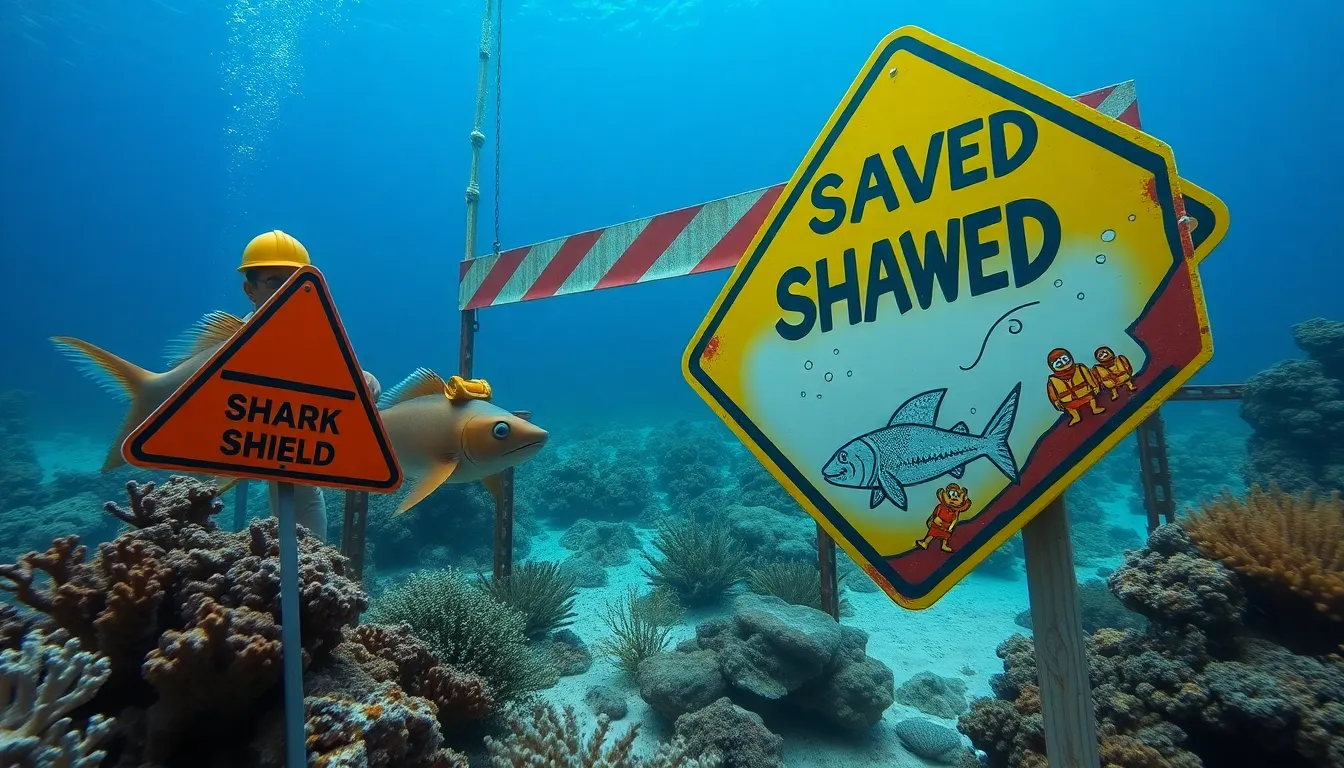
Spearfishing in Western Australia is an exhilarating activity that attracts both beginners and seasoned veterans alike. However, it is crucial to recognize that this sport comes with inherent risks, especially concerning interactions with sharks. Understanding the safety landscape involves not only recognizing the potential hazards but also implementing effective protocols to mitigate these risks.
The waters around Western Australia are home to various shark species, some of which can pose a threat to spearfishers. Incidents involving sharks can range from mere curiosity to aggressive encounters, making it essential for every spearfisher to be aware of their surroundings and adhere to established safety protocols.
Risk Assessment Frameworks
A comprehensive risk assessment framework is vital for identifying and evaluating the dangers associated with spearfishing in areas known for shark activity. This framework should include:
- Identifying Risks: Recognize the specific types of sharks prevalent in the region, their behaviors, and the conditions that may lead to increased shark activity.
- Evaluating Risks: Assess the likelihood of encountering sharks based on factors such as location, time of day, and water conditions.
- Implementing Control Measures: Develop strategies to minimize risks, including the use of safety gear, buddy systems, and adherence to safety protocols.
Using a risk matrix can help categorize the level of risk associated with different locations and conditions, allowing spearfishers to make informed decisions before entering the water.
Prevention Strategies and Best Practices
To ensure a safe spearfishing experience, several prevention strategies can be adopted:
- Buddy System: Always fish with a partner. This practice not only enhances safety but also provides immediate assistance in case of emergencies.
- Stay Informed: Check local shark sightings and reports before heading out. Many communities and marine authorities provide updates on shark activity.
- Avoid Murky Waters: Sharks are more likely to be present in murky waters where visibility is low. Choose clear water locations for spearfishing.
- Time Your Dives: Avoid early morning and late afternoon dives when sharks are more active, and visibility is reduced.
Implementing these best practices can significantly reduce the likelihood of adverse encounters with sharks.
Safety Equipment and Gear Requirements
Equipping yourself with the right safety gear is essential for any spearfisher. Recommended safety equipment includes:
- Shark Shield: This electronic device repels sharks through electromagnetic fields, providing a layer of protection while spearfishing.
- Wetsuit: A thick wetsuit not only provides thermal protection but also reduces the risk of injuries from sharp teeth in case of an encounter.
- Knife: A dive knife can be crucial for self-rescue and for cutting away any entanglements.
- Float and Flag: Use a dive float with a flag to signal your presence to boats and other spearfishers, making you more visible in the water.
Regularly inspect and maintain your safety equipment to ensure it functions correctly when needed.
Step-by-Step Safety Protocols
Adhering to established safety protocols is vital for reducing risks while spearfishing:
- Preparation: Before going out, ensure you have all necessary gear, including safety equipment, and check weather and water conditions.
- Establish a Dive Plan: Discuss your dive plan with your buddy, including the dive site, time, depth, and any specific safety measures.
- Conduct a Pre-Dive Safety Check: Verify that both you and your buddy have functioning equipment and that all safety gear is in place.
- Dive Awareness: Always be aware of your surroundings, keeping an eye out for both marine life and your buddy.
- End-of-Dive Protocol: After surfacing, regroup with your buddy and ensure both are accounted for before leaving the water.
These protocols not only enhance safety but also promote a culture of responsibility among spearfishers.
Emergency Response Procedures
In the event of an emergency involving a shark encounter, having a clear response plan is crucial. Follow these procedures:
- Remain Calm: Stay as calm as possible to think clearly and communicate effectively with your buddy.
- Assess the Situation: Determine if the shark poses a real threat. If it is simply curious, maintain a steady position.
- Back Away Slowly: If the shark approaches, back away slowly while keeping the shark in sight. Avoid sudden movements that may provoke it.
- Defend Yourself: If the shark attacks, defend yourself by targeting its eyes, gills, or snout with your dive knife or any available object.
- Exit the Water Safely: Signal to your buddy and exit the water together in a controlled manner, keeping an eye on the shark.
It is essential to practice these emergency procedures regularly to ensure readiness in case of an actual incident.
Training and Certification Requirements
To enhance safety and preparedness, spearfishers should consider undertaking formal training and certification. Relevant courses include:
- Spearfishing Safety Courses: These courses cover essential safety protocols, risk assessment, and emergency response.
- First Aid and CPR Training: Being certified in first aid and CPR can save lives in emergencies, particularly in remote areas.
- Shark Awareness Programs: These programs educate spearfishers on shark behaviors, identification, and safety measures specific to local waters.
Certification not only improves individual skills but also contributes to a safer community of spearfishers.
Regular Safety Reviews and Updates
Safety protocols and guidelines should not remain static. Regular reviews and updates are necessary to adapt to changing conditions and new information:
- Periodic Training Refreshers: Attend refresher courses to stay updated on the latest safety practices and technologies.
- Community Engagement: Participate in local spearfishing groups to share knowledge and experiences related to shark encounters and safety.
- Feedback Mechanisms: Establish a system for reporting incidents and near misses to improve safety protocols continuously.
By fostering a culture of safety and continuous improvement, spearfishers can better protect themselves and their peers in the water.
Emergency Contacts: In case of an emergency, have local emergency contacts readily available, including marine rescue services and local authorities. Ensure everyone in your group is aware of these contacts before heading out.
By adhering to these essential shark safety protocols and maintaining a proactive approach to safety, spearfishers in Western Australia can enjoy their sport while minimizing risks associated with shark encounters.