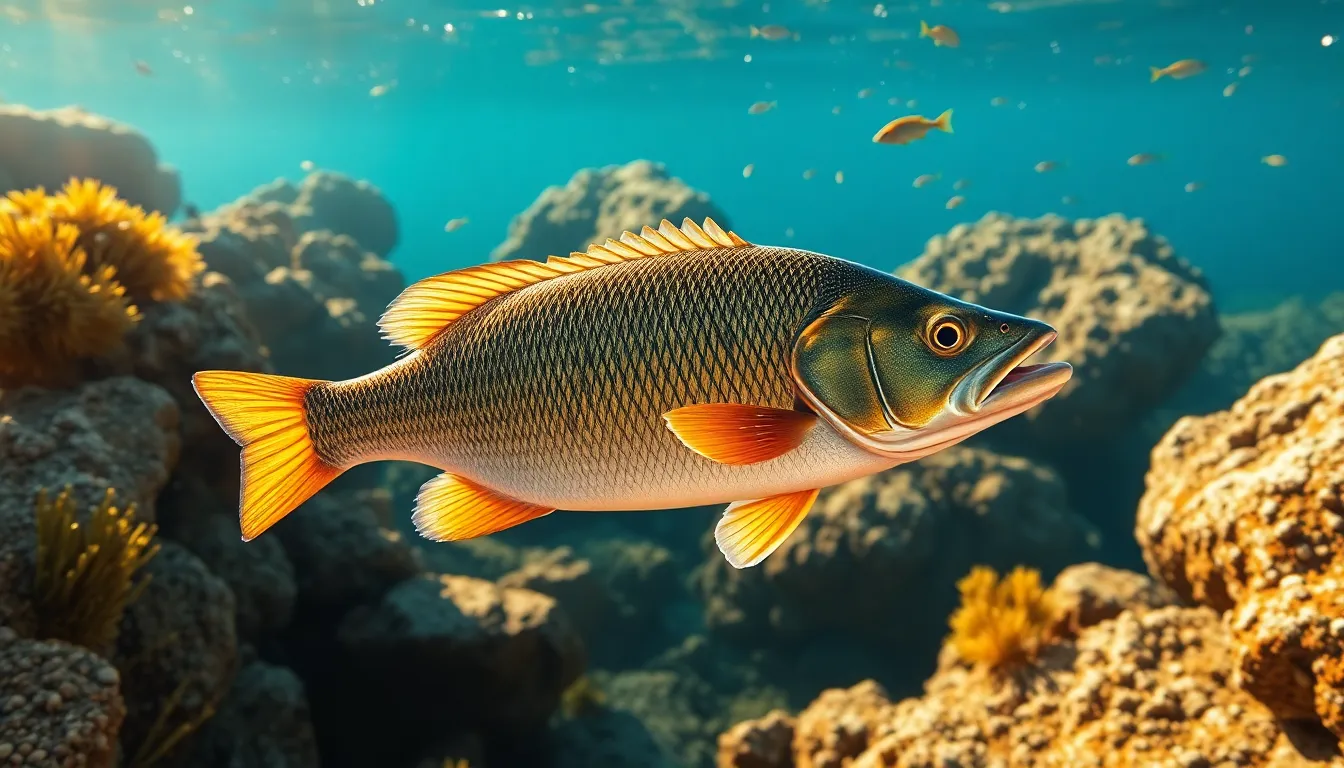
Underwater bass fishing is an exciting and challenging activity that requires not only technical skills but also a deep understanding of the behavior of this species. In this article, we will explore various effective techniques for underwater bass fishing, covering everything from prerequisites to safety protocols.
Description of the technique and applications in underwater fishing
Bass is a fish found in coastal waters and is known for its cunning and ability to hide among rocks and seaweed. Underwater bass fishing involves the use of specific techniques that allow hunters to be stealthy and efficient. These techniques include the use of different types of fishing weapons, such as spearguns and harpoons, as well as approaches and camouflage strategies.
Types of underwater fishing techniques for bass
- Stalking technique: This involves slowly approaching the area where bass are suspected to be, using the environment for concealment.
- Mid-water fishing: This consists of swimming between the surface and the bottom, looking for bass that feed at different levels.
- Stalking hunting: This technique requires patience and observation, waiting for the right moment to shoot.
Prerequisites: apnea and swimming skills
Before venturing into underwater bass fishing, it is essential to possess certain skills. The ability to hold your breath and swim effectively are fundamental.
Apnea skills
Apnea is the ability to hold your breath underwater. For underwater fishing, it is recommended to train your apnea capacity through breathing exercises and practice sessions in the pool. A good goal is to reach at least 1.5 minutes of apnea to perform safe and effective dives.
Swimming skills
Being a good swimmer is crucial for moving agilely in the water. It is advisable to practice swimming techniques that allow for efficient propulsion and control, such as freestyle and diving.
Detailed breakdown of execution with underwater considerations
The effective execution of underwater bass fishing requires attention to several factors, such as breathing technique, body positioning, and the use of appropriate equipment.
Positioning and camouflage
It is vital to position yourself strategically and use appropriate camouflage. A wetsuit in colors that resemble the marine environment can help the fisherman blend in with their surroundings.
Shooting technique
When shooting, it is important to remain calm. It is recommended to:
- Aim using a direct line of sight towards the fish.
- Take the shot at an angle that minimizes water reflection.
Common specific mistakes in underwater hunting
Even the most experienced fishermen can make mistakes. Below are some common errors to avoid:
Approach mistakes
- Making noise while swimming.
- Not observing the fish’s behavior before approaching.
Equipment usage mistakes
- Not checking the equipment before diving.
- Improper use of the speargun or harpoon.
Advanced variations for different conditions
Depending on water conditions, such as visibility and current, variations in fishing techniques can be applied.
Fishing in turquoise waters
In clear waters, visibility is greater, allowing for more effective stalking techniques. Here, it is advisable to use a long-range speargun.
Fishing in low visibility conditions
In murky waters, you should approach slowly and use sound to locate the bass. Fishing in these conditions may require a more aggressive approach.
Practice exercises for pool and open water
Regular practice is essential to master underwater fishing. Here are some recommended exercises:
Pool exercises
- Deep apnea exercises.
- Target approach simulations.
Open water exercises
- Short dives to practice breathing technique.
- Hunting simulations in different visibility conditions.
Performance metrics and apnea integration
To continuously improve, it is important to establish performance metrics. This includes measuring apnea duration and shooting effectiveness.
Performance evaluation
- Record the apnea time and the number of bass caught.
- Analyze the conditions under which the dives were made to identify patterns.
Safety protocols and emergency procedures
Safety is paramount in spearfishing. Make sure to follow these protocols:
Safety protocols
- Never fish alone; always bring a buddy.
- Establish hand signals to communicate underwater.
- Use a flotation vest if necessary.
Emergency procedures
- Know rescue techniques in case of loss of consciousness.
- Have an evacuation plan in case of an accident.
With these techniques and knowledge, you will be better prepared for bass spearfishing. Constant practice and attention to safety will allow you to enjoy this exciting activity safely and efficiently.