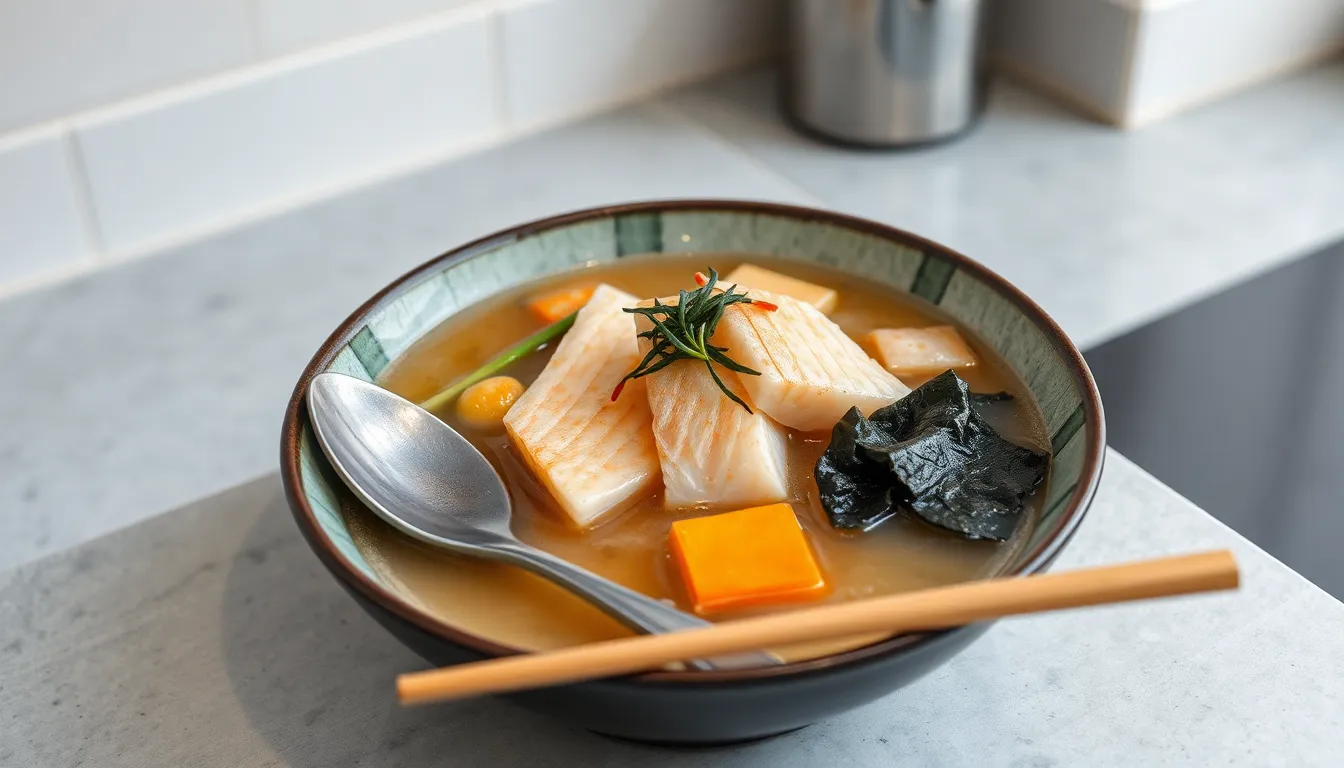
Shio-jiru is a traditional Japanese soup that makes abundant use of seafood, and its charm can be felt in just one sip. For fishing enthusiasts, using fish they have caught themselves to make shio-jiru is an exceptional experience. By using fresh fish and seaweed, you can enjoy a deep flavor that encapsulates the blessings of the sea. Shio-jiru is easy to make at home and is popular as a dish that adds a touch of elegance to special occasions. Here, we will introduce the basic recipe for shio-jiru and convey its appeal through beautiful photos of the finished product.

List of Required Ingredients
- Fresh fish (such as horse mackerel or rockfish) – 300g: The fish is the star of shio-jiru. Horse mackerel and rockfish are recommended due to their strong umami and good broth extraction. Additionally, using freshly caught fish enhances the flavor even more. Since freshness affects the taste, it is important to purchase from local markets or trusted fishmongers.
- Seaweed (such as wakame or hijiki) – 50g: Seaweed adds rich flavor and texture to shio-jiru. Wakame and hijiki are also highly nutritious, particularly rich in minerals, making them good for health. Rinse thoroughly with water and cut into manageable sizes to ensure a neat finish.
- Water – 800ml: The water that forms the base of shio-jiru is an important element that enhances the broth. Using purified or mineral water allows for a clear soup with fewer off-flavors.
- Miso – 2 tablespoons: Miso adds depth and richness to shio-jiru. Choosing white miso or blended miso can alter the flavor, so it’s good to select according to your preference. Adding miso after turning off the heat preserves its flavor, resulting in a richer taste.
- Sake – 1 tablespoon: Sake helps eliminate the fishy smell and enhances the umami. Using sake instead of cooking sake will further increase the flavor.
- Green onions – to taste (for garnish): Green onions are an important topping that adds aroma and color. Using white or green onions enhances the visual appeal. When serving, chop finely and sprinkle evenly over the dish.
List of Tools and Equipment Needed for Cooking
- Knife: Necessary for filleting the fish. Using a sharp one makes it easier to cut cleanly.
- Cutting board: A work surface for cutting fish and seaweed. Wooden or plastic boards are suitable.
- Pot: Choose a pot for boiling shio-jiru that is deep and conducts heat evenly. Stainless steel or enamel pots are recommended.
- Ladle: Necessary for scooping the soup. Using a silicone ladle makes it easy to scoop without damaging the pot.
- Measuring spoons: Necessary for accurately measuring ingredients. Precise measurements are essential for making delicious shio-jiru.
Preparation Time, Cooking Time, and Overall Difficulty Level
Preparation time: 15 minutes
Cooking time: 20 minutes
Overall difficulty level: Beginner
Step-by-Step Cooking Instructions
Step 1: Prepare the Ingredients
First, remove the innards from the fresh fish and wash it thoroughly. Washing the fish with water removes blood and dirt, maximizing its umami. Also, rinse the seaweed and cut it into manageable sizes. As a professional tip, soaking the seaweed beforehand shortens the rehydration time and makes cooking smoother.
Step 2: Make the Broth
Pour water into the pot and bring it to a boil over high heat. Once the water is boiling, add the fish and bring it back to a boil, skimming off any scum. Removing the scum results in a clear soup. Be careful not to overcook while making the broth. As a professional tip, warming the water slightly before adding the fish can prevent the fish from shrinking due to temperature differences.
Step 3: Season the Soup
Once the scum is removed, add the sake and simmer for another 5 minutes. Then, dissolve the miso and add the seaweed. Adding miso after turning off the heat enhances its flavor. When dissolving the miso, add it gradually while mixing to ensure an even flavor. As a professional tip, changing the type of miso can significantly alter the flavor of shio-jiru, so it’s good to experiment.
Step 4: Finishing Touches
Add the green onions, lightly mix everything, and turn off the heat. After letting it sit for a few minutes, serve in bowls to complete the dish. Allowing it to rest enhances the flavor and brings out the taste even more. As a professional tip, evenly distributing the ingredients when serving makes for a more visually appealing presentation.
Tips for Success and Common Mistakes
The key to making delicious shio-jiru is to prioritize the freshness of the fish. The fresher the fish, the stronger the umami, resulting in a tastier soup. Additionally, adding miso after turning off the heat enhances its flavor. Common mistakes include overcooking the fish, causing it to break apart, or unevenly dissolving the miso. To avoid this, carefully skim off the scum and add the miso gradually. Particularly, be cautious as longer cooking times can make the fish tough. As a professional tip, maintaining a medium heat while cooking ensures the fish remains tender.
Presentation Suggestions for Making the Dish Look Beautiful
When serving shio-jiru, it is important to arrange the ingredients beautifully. Scatter the green onions vibrantly and place the seaweed so it floats, enhancing the visual appeal. Additionally, choosing traditional Japanese-style dishes will make the presentation even more beautiful. For example, using celadon or white porcelain dishes will highlight the colors of the shio-jiru. As a professional tip, warming the dishes beforehand helps keep the hot shio-jiru warm longer, allowing you to enjoy it until the last sip.
Proper Storage Methods and Recommendations for Delicious Leftovers
Shio-jiru can be stored in the refrigerator for about 3 days. However, since the flavor of the fish diminishes, it is recommended to consume it as soon as possible. When storing, it is important to transfer it to an airtight container to avoid exposure to air. Leftovers can be transformed into a rice porridge for breakfast the next day, allowing you to enjoy a different deliciousness. As a professional tip, adding a little water when making porridge results in a creamier texture.
Recipe Variations and Customization Options
Shio-jiru can be enjoyed in various variations depending on the fish and seaweed used. For example, adding shellfish can bring out even deeper umami flavors. Adding clams or scallops enhances the ocean’s flavor even more. Additionally, incorporating vegetables can increase the nutritional value. Adding radishes, carrots, or tofu improves both color and nutritional balance. Feel free to experiment with ingredients according to your preferences. As a professional tip, incorporating seasonal ingredients allows you to enjoy the flavors of the season.
Conclusion: Rediscover the Charm of Shio-jiru
Despite being made with simple ingredients, shio-jiru can create a special dining experience with its deep flavor and beautiful presentation. Using fresh fish and seaweed, we encourage you to try this recipe at home. Prioritizing the freshness of the fish, carefully skimming off the scum, and adding miso gradually are the keys to making delicious shio-jiru. Additionally, utilizing leftover shio-jiru for porridge allows you to discover new deliciousness. Why not incorporate shio-jiru into your next meal and rediscover its charm with family and friends?