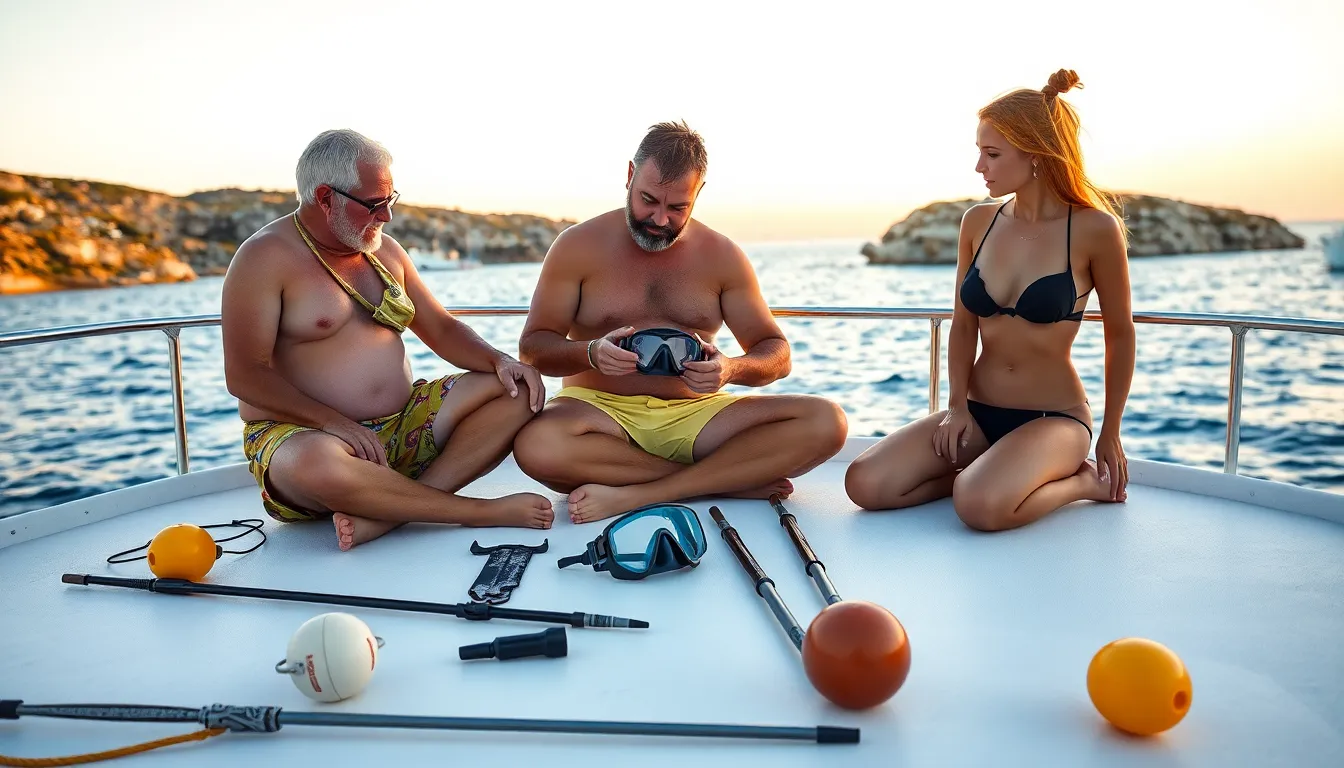
Spearfishing competitions are exhilarating events that bring together enthusiasts from around the globe to showcase their skills, connect with fellow divers, and celebrate the sport they love. These competitions not only test the participants’ abilities in hunting underwater but also promote conservation and responsible fishing practices. With an inside look at spearfishing competitions, one can appreciate the dedication and excitement that accompany this unique blend of sportsmanship and nature.
Competition Categories and Divisions
Spearfishing competitions typically feature various categories and divisions to accommodate different skill levels and techniques. Understanding these divisions is crucial for participants looking to compete effectively:
- Individual Competitions: These allow competitors to dive solo, showcasing their personal skills and strategies.
- Team Competitions: Teams of divers collaborate, combining their skills and expertise to achieve a common goal.
- Categories by Species: Some competitions may focus on specific fish species, requiring competitors to target designated catches.
- Age Divisions: Events often have divisions based on age groups, ensuring fair competition among peers.
Each category has its own set of rules and judging criteria, often emphasizing the importance of ethical hunting practices and species conservation.
Entry Requirements and Deadlines
To participate in spearfishing competitions, entrants must meet certain requirements that ensure safety and fairness:
- Age Requirement: Participants typically need to be at least 16 years old, although some events may allow younger competitors with parental consent.
- Certification: Proof of freediving or spearfishing certification is often required, ensuring all participants are trained and knowledgeable about safety practices.
- Equipment Regulations: Competitors must adhere to specific equipment guidelines, including the type of speargun and safety gear permitted.
- Registration Deadlines: It is crucial to register early, as most competitions have strict deadlines that can be several weeks in advance.
Check event websites for exact entry details and deadlines to avoid missing out on the opportunity to compete.
Location Details and Logistics
Spearfishing competitions are held in various scenic locations, each offering unique underwater environments and challenges. The choice of location plays a significant role in the competition’s experience:
- Geographical Diversity: Locations can range from tropical reefs teeming with life to rocky coastlines with challenging currents.
- Logistics: Organizers often provide information about transportation, accommodation, and local amenities to assist participants in planning their trips.
- Weather Considerations: Understanding local weather patterns is essential for safety and planning, as underwater visibility can greatly affect performance.
Familiarizing oneself with the competition location enhances preparation and can be a deciding factor in a competitor’s success.
Prize Structure and Recognition
Competitions not only provide a platform for individuals to showcase their talents but also offer various prizes and recognition:
- Trophies and Medals: Winners often receive trophies, medals, or plaques commemorating their achievements.
- Cash Prizes: Many competitions feature cash prizes, rewarding top performers for their skills and efforts.
- Recognition: Participants gain recognition within the spearfishing community, which can lead to sponsorship opportunities and increased visibility.
The prize structure varies by event, so it’s important for competitors to review the specifics for each competition they enter.
Historical Context and Past Winners
Understanding the history of spearfishing competitions adds depth to the experience:
- Origins: Spearfishing competitions have evolved over decades, with roots tracing back to traditional fishing practices.
- Notable Events: Highlighting significant competitions and milestones in spearfishing history can inspire new participants.
- Profiles of Past Winners: Learning about previous champions and their techniques can provide insights and motivation for aspiring competitors.
Researching historical context can deepen participants’ appreciation for the sport and its community.
Preparation and Training Tips
Successful participation in spearfishing competitions requires thorough preparation and training:
- Physical Conditioning: Improving overall fitness through swimming, strength training, and breath-hold exercises is essential for performance.
- Skill Development: Regular practice in diving techniques, fish identification, and equipment handling can provide a competitive edge.
- Mock Competitions: Engaging in practice competitions can help participants get accustomed to the pressure and dynamics of the event.
Competitors should create a training regimen that focuses on both physical and mental preparedness to excel in competitions.
Registration Process and Requirements
This section outlines the steps for registering for a spearfishing competition:
- Online Registration: Most competitions allow online registration through their official websites, streamlining the sign-up process.
- Required Documentation: Participants may need to submit proof of age, certification, and equipment compliance during registration.
- Fees: Registration typically involves an entry fee, which varies by event and category.
Ensure all forms are filled out accurately and submitted before the registration deadline to secure a spot in the competition.
Spectator Information and Schedule
For those who wish to attend but not compete, spectator participation is also a vital part of the event:
- Spectator Access: Most competitions encourage spectators to attend, providing a chance to witness the action and support competitors.
- Schedule of Events: Organizers usually provide a detailed schedule outlining the day’s events, including dive times, breaks, and award ceremonies.
- Event Calendars: Many competitions maintain an event calendar on their website, allowing spectators and competitors to keep track of upcoming events.
Attending a spearfishing competition as a spectator offers a unique perspective and fosters community engagement within the sport.