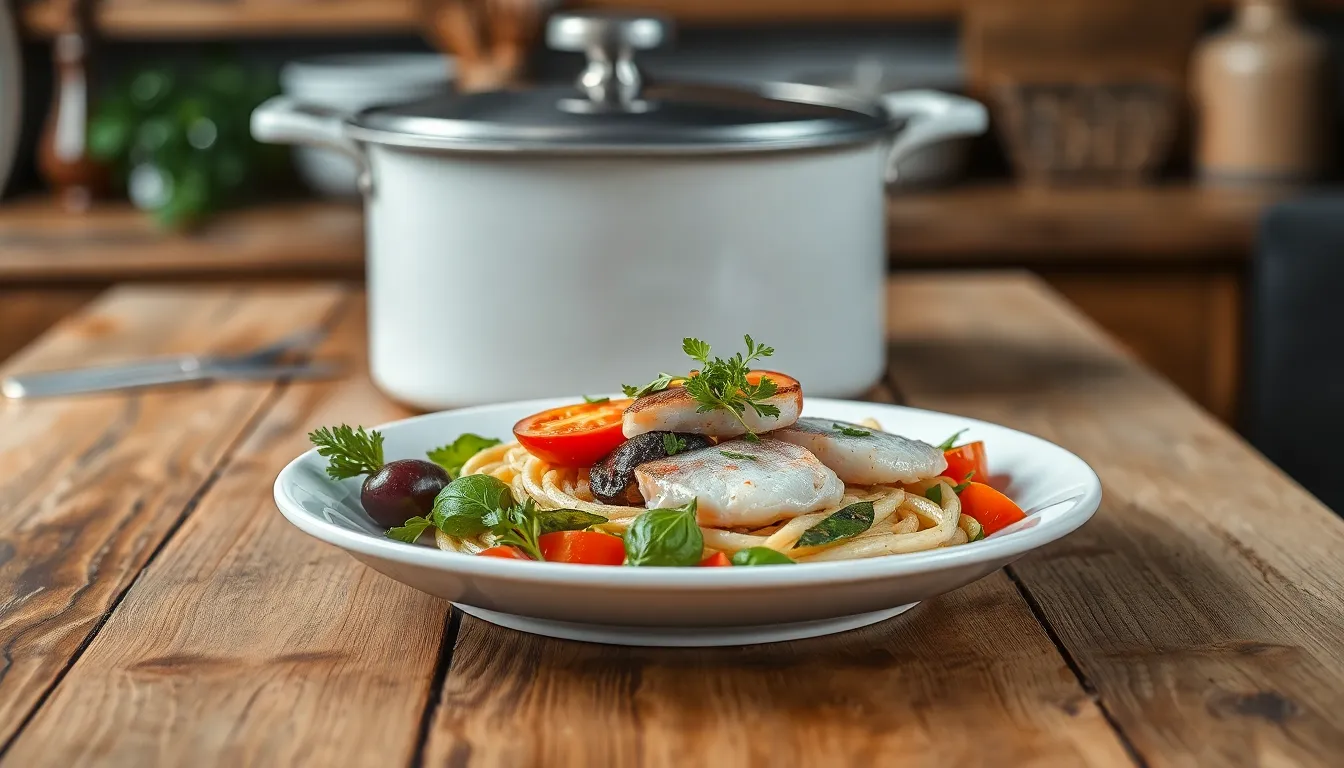
Have you ever filleted a fresh fish and found yourself staring at a pile of bones and scraps, unsure of what to do with them? You’re not alone! Many home cooks overlook the potential of these seemingly useless remnants. However, this fish stock recipe from fish bones is a culinary treasure that turns waste into something extraordinary. By following this guide, you’ll learn how to create a rich, flavorful stock that serves as a perfect foundation for soups, sauces, and risottos. The end result is an aromatic stock that encapsulates the essence of the ocean, enhancing your dishes with a depth of flavor that store-bought stocks simply cannot match. Get ready to elevate your cooking and make the most of your ingredients!
Ingredient/Component Selection Criteria
The foundation of any great fish stock lies in the quality of its ingredients. Here’s what to keep in mind when selecting components:
- Fish Bones: Opt for bones from fresh, high-quality fish such as salmon, snapper, or sole. These types of fish provide a clean flavor that enhances the stock. Avoid using oily fish like mackerel or sardines, as they can result in a murky, greasy stock. Additionally, consider sourcing sustainably caught fish to support responsible fishing practices.
- Vegetables: The traditional mirepoix of onions, carrots, and celery is essential for adding depth and sweetness to your stock. These vegetables not only provide flavor but also contribute nutrients and natural sweetness. For a more complex flavor profile, you can also incorporate fennel or leeks, which can add a subtle anise-like quality.
- Herbs: Fresh herbs like parsley, thyme, and bay leaves are key to imparting aromatic notes that will elevate your stock. While dried herbs can be used in a pinch, fresh herbs bring a brightness and complexity that dried cannot replicate. For an additional layer of flavor, try adding a sprig of dill, which pairs beautifully with fish.
- Seasonings: Whole peppercorns and a pinch of sea salt enhance the stock’s flavor profile without overwhelming it. Whole spices are preferred as they release their flavor more gradually during the simmering process. Consider adding a few cloves or a touch of star anise for a unique twist that complements seafood dishes.
- Water: Always use cold, filtered water to extract the maximum flavor from your ingredients. Avoid tap water that may contain chlorine or other impurities, which can alter the taste of your stock. Using cold water also allows for a gradual extraction of flavors as the stock simmers.
Required Tools and Equipment
Equipping yourself with the right tools is essential for a successful stock-making process. Here’s what you’ll need:
- Large Stockpot: A heavy-bottomed pot is crucial as it helps distribute heat evenly, preventing hot spots that could scald your stock. A pot of at least 6-8 quarts is recommended to accommodate the volume of ingredients and water.
- Strainer or Cheesecloth: To achieve a clear liquid, you’ll need a fine-mesh strainer or cheesecloth for filtering the stock. This step is vital as it removes any solids, ensuring a smooth texture that enhances the final presentation of your dishes.
- Cutting Board and Knife: A sturdy cutting board and a sharp knife are essential for prepping your vegetables and fish bones. Ensure your knife is well-maintained for clean cuts, which will facilitate even cooking and extraction of flavors.
- Measuring Cups: Accurate measurements are important for achieving the right balance of flavors. Invest in a set of measuring cups to ensure you add the appropriate amount of water and ingredients.
- Stirring Spoon: A long-handled spoon is ideal for stirring the stock as it simmers. This allows you to easily reach the bottom of the pot to prevent sticking and helps to incorporate all ingredients evenly.
Preparation Timeline and Planning
Planning ahead can significantly streamline the cooking process. Here’s a suggested timeline to help you stay organized:
- Preparation Time: Allocate about 15-20 minutes to gather all ingredients and chop your vegetables. Having everything prepped and ready to go ensures a smooth cooking experience.
- Cooking Time: The stock will require 1.5 to 2 hours of simmering to extract maximum flavor. This slow cooking process is crucial, as it allows the flavors to meld beautifully and results in a rich, aromatic stock.
- Cooling Time: After cooking, allow your stock to cool for about 30 minutes before straining and storing. Cooling is important to prevent condensation from forming in your storage containers, which can dilute the flavor of the stock.
Step-by-Step Detailed Instructions
Step 1: Prepare the Ingredients
Begin by rinsing your fish bones under cold water to remove any blood, scales, or impurities that could affect the taste of your stock. This initial step is crucial for achieving a clean flavor. Next, chop your selected vegetables into large chunks; there’s no need for fine dicing since they will be strained out later. A rough chop will suffice, but ensure they are of similar size for even cooking. This preparation sets the stage for a well-balanced stock.
Step 2: Sauté the Vegetables
In your stockpot, add a splash of olive oil and sauté the onions, carrots, and celery over medium heat for about 5-7 minutes. As they cook, you’ll notice their aromas begin to fill your kitchen. This process caramelizes the vegetables slightly, enhancing their natural sweetness and creating a flavor base that deepens the overall richness of the stock. Stir occasionally to ensure even cooking and prevent burning. This step is essential as it lays the groundwork for a robust flavor profile.
Step 3: Add Fish Bones and Water
Once your vegetables are softened and aromatic, it’s time to add the cleaned fish bones to the pot. Follow this by pouring in the cold water, ensuring the bones are fully submerged. Typically, you’ll need about 8-10 cups of water, depending on the volume of bones and vegetables used. Submerging the ingredients allows for full extraction of flavors. Remember, the quality of your water directly affects the final taste of your stock, so opt for filtered if possible.
Step 4: Incorporate Herbs and Seasonings
Add your fresh herbs, whole peppercorns, and a pinch of sea salt to the pot. Bring the mixture to a gentle boil over medium-high heat. This initial boil helps activate the flavors, but be careful not to let it boil too vigorously, as this can cloud the stock. Once boiling, the salt will start to dissolve, infusing the liquid with flavor. This is also your opportunity to adjust the amount of seasoning based on your personal taste preferences.
Step 5: Simmer the Stock
After reaching a boil, reduce the heat to low and allow the stock to simmer uncovered for 1.5 to 2 hours. During this time, keep an eye on the surface for any foam or impurities that may rise. Skimming these off not only clarifies the stock but also prevents any off-flavors from developing. Stir occasionally and enjoy the enticing aroma wafting through your kitchen as the flavors meld together. This gentle simmering is key to creating a rich, flavorful stock.
Step 6: Strain the Stock
After simmering, carefully strain the stock through a fine-mesh strainer or cheesecloth into another pot or bowl. This step is crucial for achieving a clear liquid, which is visually appealing and allows the flavors to shine. Discard the solids, but consider saving some of the vegetables for a purée or other recipes. If you prefer an exceptionally clear stock, you can strain it a second time through cheesecloth for added clarity.
Step 7: Cool and Store
Allow the stock to cool at room temperature for about 30 minutes before transferring it to storage containers. This cooling period is important to ensure it doesn’t retain excess moisture, which could dilute the flavor during storage. Once cooled, it can be refrigerated for up to 3 days or frozen for up to 3 months. When freezing, consider pouring the stock into ice cube trays for easy, portioned use in future recipes. This way, you can easily add a splash of flavor to risottos, sauces, or soups whenever you need it.
Quality Indicators and Checkpoints
To ensure your stock is of the highest quality, keep an eye out for these indicators:
- Color: A well-made fish stock should be clear to light golden in color. If it appears murky or dark, it may indicate overcooking or the use of poor-quality ingredients. A beautifully clear stock not only looks appetizing but also indicates that flavors have been extracted properly.
- Aroma: Your stock should emit a fresh, ocean-like scent without any fishy odor. A strong fishy smell can signal that the bones were not fresh or that they were overcooked. The ideal aroma should be inviting, hinting at the complexity of flavors within.
- Taste: A balanced taste that is rich but not overly salty is ideal. Take a small taste before storing; the flavors should be harmonious, allowing the essence of the fish and vegetables to shine through. If the stock tastes bland, consider adding a touch more salt or herbs to enhance it.
Serving, Presentation, or Finishing Tips
When it comes to serving your fish stock, consider these finishing touches to elevate the overall experience:
- Use as a Base: Incorporate your stock into a variety of dishes, including soups, sauces, or risottos, for an added depth of flavor. For example, a seafood chowder made with this stock will have an unparalleled richness compared to one made with water or store-bought stock.
- Garnish: Fresh herbs or a squeeze of lemon can elevate your dish when using the stock as a base. Consider finishing your seafood stew with fresh dill or parsley for a burst of freshness that complements the rich flavors.
- Presentation: Serve your stock in clear bowls to showcase the beautiful, clear liquid. Adding a sprig of fresh herb or a slice of lemon to the bowl can enhance the visual appeal and provide a hint of the fresh flavors to come.
Storage, Preservation, or Maintenance
To maintain the quality of your fish stock, follow these best practices:
- Refrigeration: Store your stock in airtight containers in the refrigerator for up to 3 days. Make sure containers are completely sealed to prevent any odors from other foods infiltrating your stock.
- Freezing: For longer preservation, pour stock into ice cube trays for easy portioning. Once frozen, transfer the cubes to a labeled freezer bag for long-term storage. This method allows you to use just the right amount of stock in future recipes without defrosting a large batch.
- Labeling: Always label your containers with the date and contents for easy tracking. This simple step helps you keep track of your stock’s freshness and ensures you use it within the optimal timeframe.
Variations and Customization Options
Don’t hesitate to customize your fish stock with these variations to suit your culinary preferences:
- Asian-Inspired: For a unique twist, add ingredients like ginger, lemongrass, and shiitake mushrooms for an umami-rich stock. These additions bring a depth of flavor that is perfect for Asian-inspired soups or noodles.
- Herbaceous Twist: Experiment with different herbs such as dill or tarragon for a unique flavor. For instance, dill can add a refreshing note that pairs beautifully with salmon-based dishes.
- Spicy Kick: Incorporate red pepper flakes or chopped chili for a spicy version of your stock. This can be a wonderful addition if you’re planning to use the stock in a spicy seafood stew or gumbo.
Conclusion: Unlocking Culinary Potential with Fish Stock
In conclusion, making fish stock from leftover bones is not just a sustainable approach to cooking, but it also unlocks a wealth of flavors that can elevate your culinary creations. By selecting quality ingredients and following the detailed steps outlined in this guide, you can transform what would have been discarded into a rich, aromatic stock that enhances your soups, sauces, and risottos. Remember to experiment with variations and customize your stock based on your preferences. As you continue to hone your cooking skills, consider making fish stock a regular part of your routine, allowing you to maximize your ingredients and reduce waste. So, what are you waiting for? Gather your ingredients, roll up your sleeves, and dive into the delicious world of homemade fish stock!