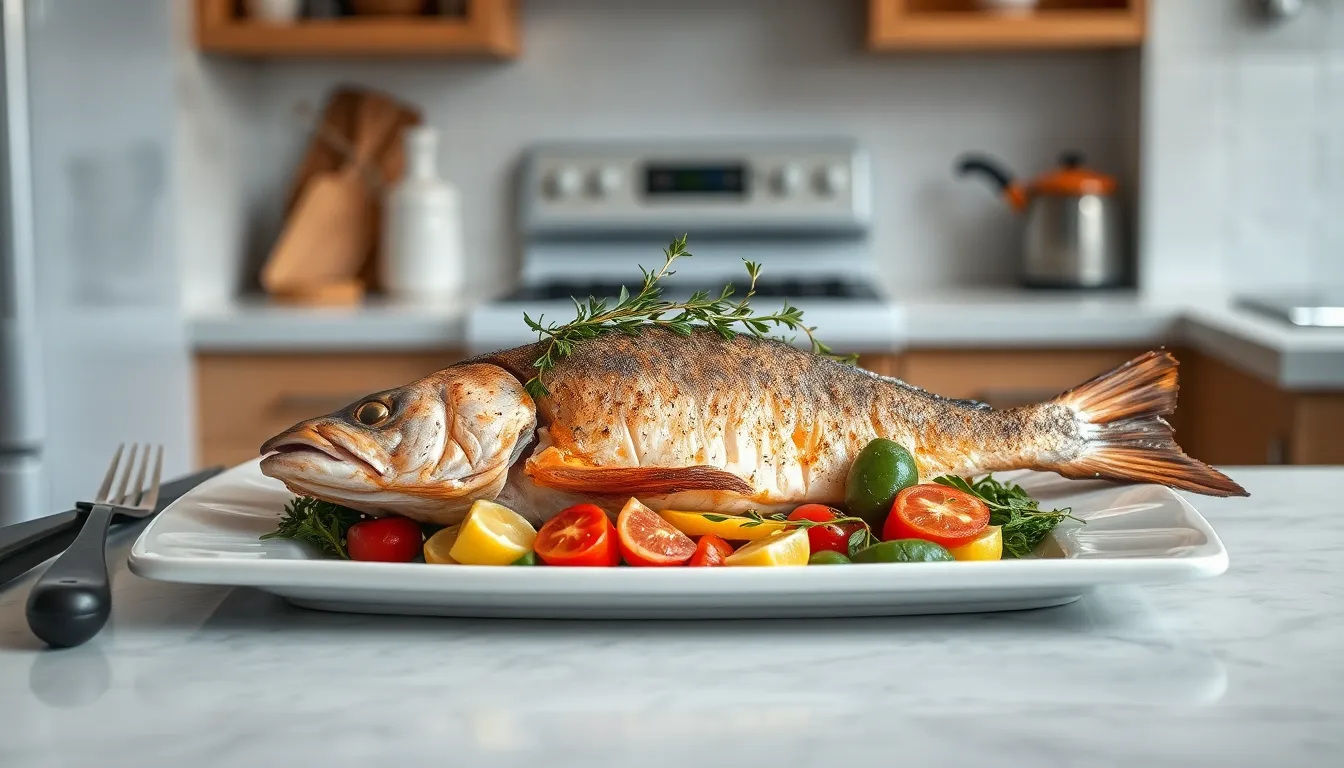
Have you ever wondered how to turn a simple fish into a dish worthy of a special dinner? Thebaked snapperis the answer. This dish is not only a delight; it combines flavor, health, and an impressive presentation, ideal for surprising your guests or enjoying at a family lunch. The succulent meat of the snapper, baked to achieve the perfect texture, is complemented by a crispy skin that will leave everyone asking for more. In this recipe, you will learn how to prepare a baked snapper that will elevate your culinary skills and delight your palate. The fresh herbs and selected ingredients not only enhance the natural flavor of the fish but also offer a burst of aromas that make each bite a memorable experience.
Ingredient/Component Selection Criteria
Choosing the ingredients is one of the most important steps in preparing baked snapper. Here are some key selection criteria that will make all the difference in your final dish:
- Freshness of the fish: The freshness of the snapper is crucial to ensure a tasty and safe dish. Look for snapper that has bright eyes and firm flesh to the touch. Additionally, pay attention to the smell: fresh fish has a mild ocean aroma, while fish that are not in good condition may have strong and unpleasant odors. If possible, buy from local fish markets where the turnover is high, ensuring that you are getting fresh fish.
- Seasonings: Seasonings are essential to enhance the flavor of the snapper. Always prefer fresh herbs, such as parsley, cilantro, and thyme, which bring unmatched freshness. Also, use fresh lemons for juice and zest, as they provide a more vibrant flavor than bottled juices. Avoid pre-made seasonings, as they may contain preservatives and additives that alter the natural flavor of the fish.
- Side Dishes: Seasonal vegetables are an excellent choice to roast alongside the fish. Opt for vegetables like potatoes, onions, bell peppers, and carrots, which not only complement the flavor of the snapper but also create a colorful and appealing presentation. Vary the side dishes according to the season and your preference; for example, in the fall, squash and broccoli can be great options.
Necessary Tools and Equipment
To prepare baked snapper, you will need the following tools. Having the right utensils not only makes the process easier but can also influence the final result of the dish:
- Large baking dish: A suitable baking dish is essential to accommodate the snapper and vegetables without crowding, allowing for even cooking.
- Aluminum foil: It is useful for covering the snapper during the first part of cooking, helping to retain moisture and ensure that the meat does not dry out.
- Sharp knife: A good knife is essential for cleaning and filleting the fish, as well as cutting the vegetables accurately.
- Tablespoon and teaspoon for measuring: These tools are indispensable for adding the exact seasonings, ensuring that the flavors are balanced.
- Serving spatula: A large spatula will help transfer the baked snapper to the plate without breaking the meat.
- Meat thermometer (optional): Although not essential, a thermometer can help ensure that the fish reaches the ideal internal temperature of 63°C, ensuring that it is perfectly cooked.
Timeline and Preparation Planning
Organizing your time is essential for efficient preparation and to avoid rushing when serving. Here is a time guide that can help you plan accordingly:
- Choosing and cleaning the fish: This step takes approximately 15 minutes. If you do not feel comfortable cleaning the fish, ask the fishmonger to do it, but always check the quality after cleaning.
- Preparing the seasonings and marinade: Set aside about 10 minutes for this step. It is important that the marinade is well mixed to ensure that all flavors integrate into the fish.
- Preheating the oven: Preheating should last about 10 minutes. This is crucial for the snapper to start cooking at the correct temperature as soon as it is placed in the oven.
- Cooking time: The snapper should bake for 30-40 minutes. The exact duration may vary depending on the size of the fish and the efficiency of your oven.
- Resting time after cooking: After removing the snapper from the oven, let it rest for about 5 minutes before serving. This time allows the juices of the meat to redistribute, resulting in a juicier fish.
Detailed Step-by-Step Instructions
Step 1: Cleaning the Snapper
Start by properly cleaning the snapper. Remove the scales with a knife or a specific utensil for that, gut the fish, and wash it well under running water. Make sure to remove all the entrails and kidneys, as they can leave a bitter taste. If necessary, ask the fishmonger to do this part for you; many are willing to help. A good cleaning is essential to ensure that the flavor of the fish is not compromised by impurities.
Step 2: Marinade
In a bowl, mix the lemon juice, olive oil, chopped garlic, salt, and pepper. The acidity of the lemon not only seasons but also helps tenderize the fish’s meat. Place the snapper in the marinade and let it rest for at least 30 minutes. The longer the fish stays in the marinade, the better the flavor absorption, so if possible, prepare the marinade in advance and let the fish marinate for up to 2 hours. This will ensure that each bite is packed with flavor.
Step 3: Preparing the Baking Dish
Preheat the oven to 200°C. While the oven heats up, line the baking dish with aluminum foil. This will make cleanup easier after use and help retain moisture inside the baking dish. Place the snapper in the baking dish, ensuring it has enough space to cook evenly. This is a crucial step, as good spacing prevents the fish from steaming, resulting in a less desirable texture.
Step 4: Adding Vegetables
Distribute the vegetables around the snapper in the baking dish. Vegetables like potatoes, onions, and bell peppers not only complement the dish but also absorb the flavors of the fish, becoming a delicious side. Season the vegetables with a little salt, pepper, and olive oil, ensuring they are well coated. This not only enhances the flavor but also helps caramelize the vegetables during cooking, adding a crunchy texture that contrasts wonderfully with the tenderness of the snapper.
Step 5: Baking the Snapper
Cover the snapper with aluminum foil and place it in the oven. This covering will help the fish cook evenly and retain moisture. After 20 minutes, remove the aluminum foil so that the skin becomes crispy. Bake for another 10-20 minutes, until the meat is opaque and flakes easily with a fork. This process of baking with and without aluminum foil is a trick that many chefs use to ensure the perfect balance between moisture and crispiness.
Quality Indicators and Checkpoints
To ensure that the snapper is perfectly roasted, observe the following indicators:
- The flesh should be opaque and easily separate from the spine. This means the fish has reached the ideal temperature and is ready to be served.
- The skin should be crispy to the touch, indicating that the heat was sufficient to create a pleasant and appetizing texture.
- Use a meat thermometer; the internal temperature should reach 63°C. This is the ideal point to ensure that the fish is well-cooked but still juicy.
Serving Tips, Presentation, or Finishing
To serve, carefully remove the snapper from the baking dish and place it on a large plate. Presentation is key, so garnish the plate with lemon slices and fresh herbs, such as parsley or cilantro, which bring color and freshness to the dish. Serve alongside rice, salad, or roasted potatoes, creating a plate that is as beautiful as it is tasty. A well-done presentation can transform a simple meal into an unforgettable dining experience.
Storage, Preservation, or Maintenance
If there is leftover roasted snapper, it is important to store it properly to maintain its quality. Place the fish in an airtight container and keep it in the refrigerator for up to 2 days. To reheat, place it in the oven at a low temperature for a few minutes to preserve the crispiness of the skin. Avoid the microwave, as this can make it rubbery. Freezing roasted snapper is not recommended, as the texture may be compromised, resulting in a less appetizing dish.
Variations and Customization Options
You can customize the recipe in various ways to suit your taste and preferences:
- Spices: Try adding red pepper, cumin, or herbes de Provence to the marinade. These spices can bring a different touch, elevating the flavor of your snapper to new levels of delight.
- Side Dishes: Vary the vegetables used according to your preference and the season. Zucchini, carrots, and even tomatoes can be great additions, bringing a variety of flavors and textures to the dish.
- Marinades: Substitute lemon with orange or lime for a sweeter and more exotic flavor. This simple swap can transform the flavor profile of your dish and impress your guests.
Conclusion
Oven-roasted snapper is a recipe that combines simplicity and sophistication, perfect for any occasion. The careful selection of ingredients, respect for cooking time, and attention to presentation are essential for making this dish the highlight of your meal. By following the steps and tips in this guide, you will not only be preparing a fish but creating a culinary experience that will be remembered by all. So, put into practice what you have learned, experiment with new combinations, and, most importantly, enjoy the process of cooking and sharing a delicious meal with those you love. The next step? Gather the ingredients and start your culinary journey with an irresistible roasted snapper!