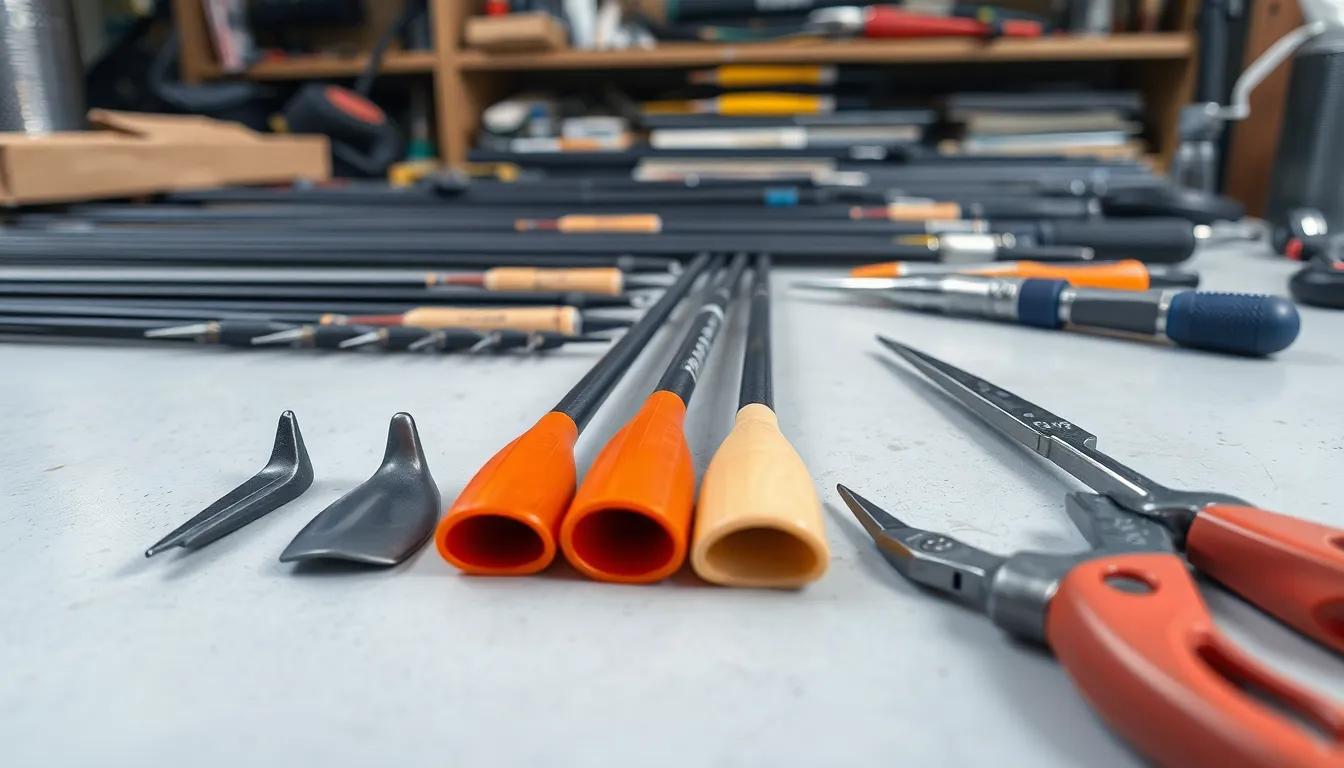
Have you ever wondered how technology has transformed traditional practices like spearfishing? Spearfishing, an ancient method of hunting fish, has significantly evolved with advancements in technology, particularly in the tools and techniques utilized by enthusiasts today. One of the most critical aspects of this evolution is the selection of spear tips, which directly impacts the efficiency and effectiveness of a hunt. Among the various types of spear tips available, the breakaway tip and the flopper tip have emerged as two of the most popular choices among spearfishers. Understanding their evolution, functionalities, and applications can empower spearfishers to make informed decisions that enhance their fishing success and overall experience.
The breakaway tip was developed in response to the growing need for more effective fish retrieval methods, particularly for larger species that pose significant challenges during capture. This innovative design allows the tip to detach from the spear shaft once it penetrates the fish, ensuring a secure hold while minimizing the risk of loss. As technology has progressed, the materials used in breakaway tips have improved substantially, incorporating advanced alloys and designs that enhance durability and performance. This historical progression reflects the industry’s commitment to improving user experience and success rates in spearfishing.
Conversely, the flopper tip has a storied history within the spearfishing community, known for its simplicity and reliability. This type of tip comprises a barbed design that remains attached to the spear shaft, effectively holding the fish once struck. Recent innovations in flopper design, such as adjustable barbs and materials that offer enhanced grip, have made this option increasingly appealing to spearfishers seeking ease of use and effectiveness. The ongoing development of flopper tips indicates a responsive approach to the needs of both novice and experienced spearfishers alike.
Key Differences Explanation
While breakaway tips and flopper tips may appear similar at first glance, their functionalities and intended uses are markedly different. Understanding these differences can dramatically influence the success of your spearfishing endeavors. Here are the key differences:
- Design: Breakaway tips are engineered to detach from the spear shaft upon impact with the fish, allowing for a more secure grip and less chance of losing the catch. This detachment mechanism also reduces drag when the fish attempts to escape, providing a strategic advantage during retrieval. In contrast, flopper tips maintain their connection to the spear shaft, which can be advantageous in scenarios requiring quick retrieval but may not offer the same level of security for larger, more powerful fish.
- Fish Retrieval: The retrieval process differs significantly between the two types of tips. Breakaway tips provide a more secure grip once embedded in the fish, allowing spearfishers to exert control even in turbulent waters. This is particularly important for larger fish species that can exert immense force during the struggle. On the other hand, flopper tips rely on their barbed design to hold the fish, which can be effective but may result in some loss if the fish thrashes or swims away unexpectedly.
- Application: The choice between breakaway and flopper tips often hinges on the specific game fish being targeted. Breakaway tips are frequently preferred for larger game fish such as tuna or marlin, where their design minimizes the risk of losing the catch after the initial strike. In contrast, flopper tips are typically favored for smaller fish and reef species, where the simplicity of the design is often sufficient to secure the catch effectively.
- Ease of Use: Flopper tips are generally easier to use, making them suitable for beginners who may not have developed advanced spearfishing skills. The straightforward operation of flopper tips requires less technique and is more forgiving in the hands of novice spearfishers. In contrast, breakaway tips may necessitate additional practice and skill to master, as they require a more nuanced approach to ensure success during retrieval.
Feature Comparison Framework
| Feature | Breakaway Tip | Flopper Tip |
|---|---|---|
| Design Complexity | More complex; detaches upon impact | Simple; remains attached |
| Grip Strength | High; excellent for larger fish | Moderate; effective for smaller species |
| Ease of Retrieval | Can be tricky; requires practice | Generally easy; straightforward |
| Cost | Typically higher due to advanced design | Lower; basic materials and design |
| Weight | Varies; can be heavier due to construction | Lighter; typically less material |
Analysis and Final Recommendation
When comparing breakaway tips and flopper tips, it’s essential to consider individual needs and fishing circumstances. Breakaway tips, with their advanced design and high grip strength, are particularly well-suited for experienced spearfishers targeting larger game fish in challenging environments. Their ability to detach enhances fish retention and provides a significant advantage in deep sea fishing or areas with strong currents. However, the complexity of these tips may present a learning curve, making them less appealing for beginners. On the other hand, flopper tips offer simplicity and effectiveness, making them ideal for novice spearfishers or those targeting smaller reef species. Their straightforward design is cost-effective and suitable for a wide range of fishing conditions, especially in shallow waters.
Ultimately, the choice between these spear tips should align with your experience level, target species, and fishing environment. Beginners are encouraged to start with flopper tips to build confidence, while seasoned spearfishers may benefit from the enhanced performance of breakaway tips when pursuing larger fish. This tailored approach to selection can significantly improve your chances of success out in the water.
Use Case Scenarios
Choosing between a breakaway tip and a flopper tip often depends on the specific conditions and targets of a spearfishing expedition. Here are some scenarios where each tip excels:
Breakaway Tip Use Cases
- Deep Sea Fishing: Breakaway tips are ideal for larger pelagic species such as tuna or marlin. In deep sea environments, these fish can be incredibly powerful and difficult to control. The design of breakaway tips ensures a strong hold on the fish once struck, minimizing the risk of it escaping during the fight. For example, when targeting a 200-pound tuna, the breakaway mechanism allows for better management of the fish’s movements, which is crucial for a successful catch.
- Big Game Hunting: When engaging in big game hunting, spearfishers often face substantial challenges, including powerful fish that can put up a fight. Breakaway tips allow for better control over the fish during retrieval, as the tip’s detachment provides a more secure hold. The design helps in mitigating the risk of losing the fish, especially when dealing with species that are known for their strength and agility.
- Strong Currents: In areas with strong currents, the breakaway design significantly aids in the retrieval process. The ability to detach from the spear shaft helps manage the force exerted on the fish, reducing the chances of losing it during the struggle. This feature is particularly advantageous in turbulent waters where traditional spear tips may fail.
Flopper Tip Use Cases
- Reef Fishing: Flopper tips are particularly effective for smaller reef fish, such as snapper and grouper. In these environments, a simple strike is often sufficient to secure the catch. The barbed design of flopper tips holds the fish firmly, allowing spearfishers to easily retrieve their catch without complications. For instance, when fishing in a coral reef teeming with small fish, flopper tips make quick work of securing your meals.
- Beginner Spearfishing: For those new to the sport, flopper tips provide a more forgiving and straightforward experience. Their ease of use allows beginners to focus on developing essential skills without the added complexity of more advanced designs. As they gain confidence, beginners can gradually transition to breakaway tips to enhance their fishing capabilities.
- Shallow Waters: In shallow waters, where visibility and precision are key, flopper tips allow for quick and easy retrieval. The simplicity of the design enables spearfishers to react swiftly to opportunities as they present themselves. When hunting in clear, shallow waters, the reliability of flopper tips can result in a higher success rate for spearfishing outings.
Advantages and Disadvantages
Breakaway Tip Advantages
- Enhanced Fish Retention: The ability of breakaway tips to detach ensures a secure hold on larger fish, which is critical during the fight. This design feature minimizes the chances of losing your catch, especially in deep or turbulent waters where fish can struggle violently. The increased retention also allows spearfishers to exert control over the fish, making the retrieval process smoother and more efficient. For example, when targeting a large pelagic fish, a breakaway tip can ensure that the fish remains secured even as it thrashes around.
- Advanced Technology: Breakaway tips are often made with modern materials that provide strength and durability. These advanced materials, such as stainless steel or high-grade alloys, enhance performance and longevity. As a result, spearfishers can rely on these tips to withstand the challenges of saltwater environments, ensuring that they perform effectively over time. Innovations in design also contribute to improved aerodynamics and penetration, making them a preferred choice for serious enthusiasts.
Breakaway Tip Disadvantages
- Learning Curve: One of the notable disadvantages of breakaway tips is that they require practice to master the technique effectively. For beginners, the complexity of using these tips can lead to frustration and potential losses if not executed properly. Mastering the timing and technique necessary to ensure a successful strike and retrieval may take time, which could deter some new spearfishers from using them.
- Cost: Generally, breakaway tips are more expensive compared to flopper tips due to their advanced design and materials. This higher cost may not be justifiable for all spearfishers, particularly those who are just starting out or who primarily target smaller fish. It’s essential to weigh the benefits against the investment when considering whether to opt for a breakaway tip.
Flopper Tip Advantages
- Ease of Use: The simple design of flopper tips makes them user-friendly, especially for beginners. With less complexity involved, new spearfishers can focus on honing their skills without being overwhelmed by advanced techniques. The straightforward operation allows for a more enjoyable experience, facilitating a quicker learning curve. This ease of use is why many instructors recommend flopper tips as an excellent starting point for those entering the sport.
- Cost-Effective: Flopper tips are typically less expensive, making them accessible for all budgets. This affordability allows spearfishers to invest in multiple tips or other gear without breaking the bank. For those who may be unsure about their commitment to the sport, starting with flopper tips can be a practical financial decision while still providing a reliable option for fishing.
Flopper Tip Disadvantages
- Limited Use for Large Fish: One of the primary drawbacks of flopper tips is their limited effectiveness for larger game fish. The design’s reliance on barbs may not provide the same level of security as breakaway tips, increasing the risk of losing a catch after the initial strike. For serious spearfishers targeting large pelagic species, this limitation can be a significant consideration when selecting gear.
- Potential for Loss: Due to their design, fish can sometimes escape if not struck properly. While flopper tips are effective for smaller species, larger or more aggressive fish may be able to thrash free if the spear is not positioned correctly. This potential for loss underscores the importance of technique and precision when using flopper tips.
Selection Criteria Guidance
When deciding between a breakaway tip and a flopper tip, several selection criteria should be taken into account to ensure that you choose the best option for your needs:
- Target Species: Identifying the type of fish you plan to catch is critical. Larger game fish typically require breakaway tips due to their secure grip, while smaller species can often be effectively secured with flopper tips. Knowing the characteristics of your target species can significantly influence the success of your fishing trip.
- Experience Level: Your experience level plays a vital role in determining which type of spear tip to use. Beginners may benefit from the simplicity of flopper tips, which allow for easier handling and less technique. As you gain experience and develop your skills, transitioning to breakaway tips can enhance your performance and success rate.
- Fishing Environment: Assessing the fishing environment is crucial. Factors like water depth, current strength, and visibility can impact your choice. For instance, if you’ll be fishing in deep waters or areas with strong currents, a breakaway tip may be more effective. Conversely, if you’re in shallow waters or targeting reef species, flopper tips may be the better option.
- Budget: Consider your budget when selecting spear tips. Flopper tips are generally more affordable, making them accessible for all budgets. If you’re just starting out or unsure of your commitment to the sport, opting for lower-cost flopper tips can allow you to invest in more gear or practice equipment without overspending.
Future Trends and Developments
The spearfishing industry is continuously evolving, with innovations in spear tip technology paving the way for more effective and user-friendly designs. As the sport grows, so do the possibilities for advancements in gear. Future trends may include:
- Smart Technology: The introduction of smart tips that incorporate sensors could revolutionize the spearfishing experience. These sensors might provide feedback on performance, such as penetration depth or grip strength, and offer insights into fish behavior, enhancing the decision-making process during fishing expeditions.
- Eco-Friendly Materials: The development of sustainable materials will likely become a priority in the spearfishing industry. Innovations in biodegradable or recyclable materials that reduce environmental impact while maintaining performance can appeal to eco-conscious spearfishers. This trend reflects a growing awareness of sustainability in outdoor sports.
- Customizable Designs: As personalization becomes more prevalent, tips that allow for customization based on individual preferences and fishing conditions could emerge. This might include adjustable barbs, interchangeable heads, or even color-coded designs to enhance visibility under water.
- Advanced Aerodynamics: Improvements in tip design may focus on enhancing underwater trajectory and penetration efficiency. Streamlined shapes and weight distribution could lead to better performance, allowing for more precise strikes and increased success rates in various fishing conditions.
Conclusion
In conclusion, both breakaway tips and flopper tips offer unique advantages and applications in the realm of spearfishing. By understanding their differences, features, and specific use cases, spearfishers can make informed choices that not only enhance their fishing experience but also increase their success rates. Whether you opt for the advanced performance of breakaway tips or the straightforward usability of flopper tips, each has its rightful place in your spearfishing toolkit. As you embark on your next fishing adventure, consider your target species, fishing environment, and personal skill level to choose the spear tip that best suits your needs. Take the plunge, experiment with both types, and refine your approach to fishing. Your next great catch could be just a dive away.