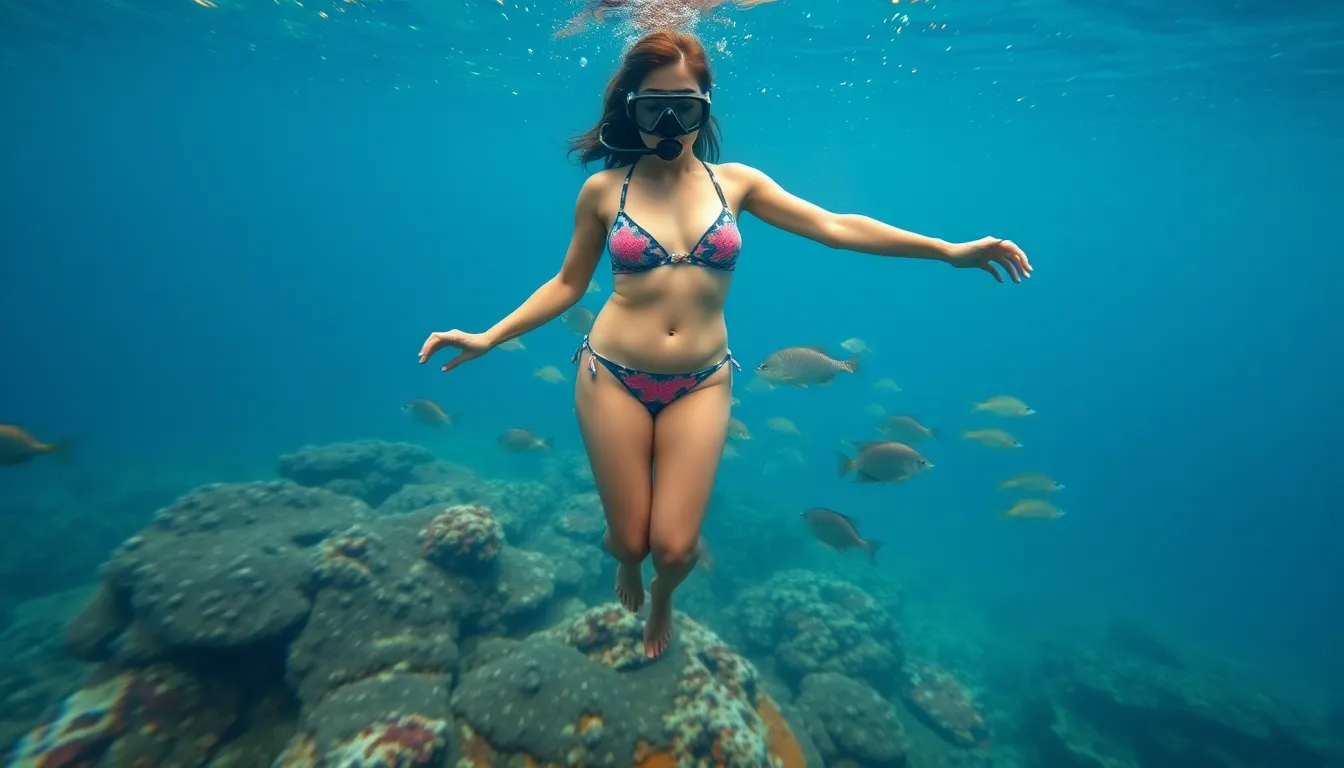
TheIndian fishing techniqueis a methodology for underwater hunting that has gained popularity due to its effectiveness in capturing various species of fish. This approach combines freediving skills with stealth tactics, allowing fishermen to approach their prey without being detected. In this article, we will explore the technique in depth, covering everything from prerequisites to advanced methods and safety procedures that every fisherman should know.
Prerequisites: freediving and swimming skills
Before venturing into the Indian fishing technique, it is essential to possess certain basic skills. Two of the most important are:
Freediving skills
- Breath-holding capacity: Freediving is fundamental in the Indian fishing technique. It is recommended to practice breathing exercises and relaxation techniques to increase breath-holding capacity.
- Diving techniques: Learning to dive efficiently minimizes oxygen consumption and maximizes time underwater.
Swimming skills
- Mastery of swimming: Being a good swimmer is crucial for maneuvering underwater and being able to move quickly to and from the surface.
- Overall physical condition: Staying in good physical shape will help improve performance in the water and endurance during prolonged dives.
Detailed breakdown of execution with underwater considerations
The execution of the Indian fishing technique requires attention to several underwater factors. Below is a step-by-step guide to effectively carry out this technique:
1. Preparation and equipment
Make sure you have the right equipment, which includes:
- Harpoons of different lengths and weights.
- Wetsuit to maintain warmth and buoyancy.
- Mask and fins that allow for good visibility and mobility.
2. Stealthy approach
Once in the water, the Indian fishing technique relies on a stealthy approach:
- Use slow and controlled movements to avoid scaring the fish.
- Adopt a low posture in the water, keeping your body parallel to the seabed.
3. Observation of the environment
It is essential to observe the behavior of the fish and the currents. Pay attention to:
- The places where fish gather.
- The water currents that may influence the direction of your hunt.
4. Execution of the shot
When you are ready to shoot:
- Make sure you have good alignment with the fish before shooting.
- Use a controlled and precise shot to minimize the risk of missing.
Common specific mistakes in underwater hunting
Mistakes can be costly in Indian fishing. Here are some of the most common ones and how to correct them:
- Lack of preparation: Not practicing freediving can lead to a decrease in dive time. Perform exercises regularly to improve.
- Sudden movements: This scares the fish. Practice smooth and controlled swimming.
Advanced variations for different conditions
The Indian fishing technique can be adapted to different environments and conditions. Some variations include:
Fishing in murky waters
- Use shorter harpoons to improve accuracy in reduced visibility.
- Make shorter and more frequent dives to maximize effective fishing time.
Fishing in deep waters
- Familiarize yourself with decompression techniques to avoid health issues.
- Use safety equipment, such as signaling buoys, to alert other fishermen of your presence.
Practice exercises for pool and open water
Practice is essential to mastering the Indian fishing technique. Here are some recommended exercises:
Pool exercises
- Apnea practice: Perform static and dynamic dives.
- Shooting simulation: Use a training spear to improve accuracy.
Open water exercises
- Dives at different depths to get accustomed to pressure variations.
- Navigation exercises to improve mobility in the water.
Performance metrics and integration of breath-holding
Evaluating your performance is key to improving in the Indian fishing technique. Here are some metrics to consider:
- Dive time: Measure how long you can stay underwater.
- Shooting accuracy: Keep track of your hits and misses to identify areas for improvement.
To integrate breath-holding into your practice, consider:
- Breathing exercises before each fishing session.
- Incorporating specific apnea sessions into your training routine.
Safety protocols and emergency procedures
Safety is paramount in Indian fishing. Here are some protocols you should follow:
Safety protocols
- Always fish with a partner to ensure mutual safety.
- Use a visible signaling device to alert other fishermen.
Emergency procedures
- Know the location of local emergency services and have a plan in case of an accident.
- Conduct rescue drills with your partner to be prepared for any eventuality.
Mastering theIndian fishing techniquenot only requires technical skills but also a commitment to safety and constant practice. With dedication and the right knowledge, you can enjoy this exciting form of fishing with confidence and effectiveness.