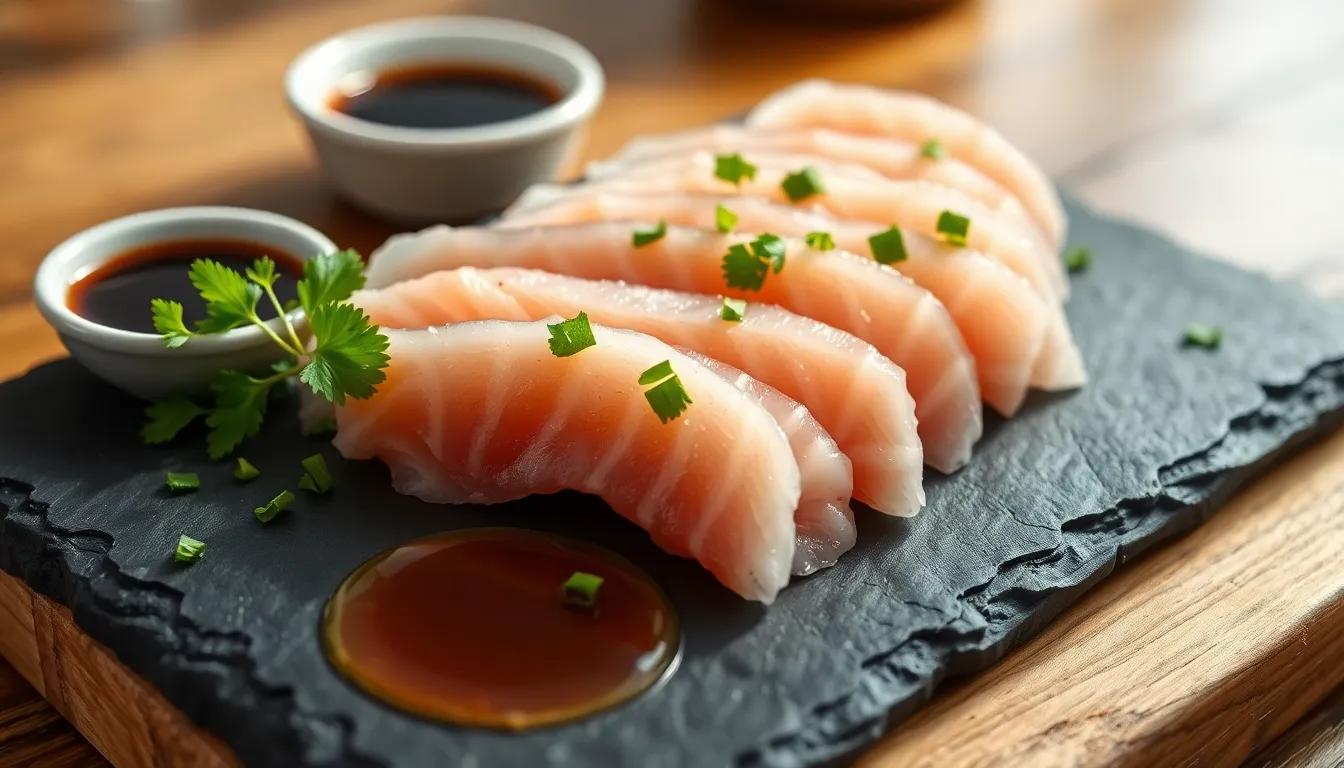
Sashimi preparation is an art that requires not only skill but also a strict adherence to safety guidelines. The consumption of raw fish poses various health risks, including foodborne illnesses caused by bacteria, viruses, and parasites. Understanding these risks is crucial for anyone involved in sashimi preparation, whether at home or in a professional kitchen.
The main risks associated with sashimi preparation include:
- Pathogens: Bacteria such as Salmonella, Listeria, and Vibrio can proliferate in raw fish if not handled properly.
- Parasites: Species like Anisakis can lead to infections if consumed, making proper fish sourcing and handling vital.
- Cross-contamination: Using the same utensils or surfaces for raw fish and cooked food can easily transfer harmful bacteria.
By assessing these risks and implementing the right safety protocols, you can ensure a safe sashimi preparation experience.
Risk Assessment Frameworks
Risk assessment frameworks provide a structured approach to identifying and mitigating hazards in sashimi preparation. The following steps are essential for a comprehensive risk assessment:
- Identifying Hazards: Evaluate all potential sources of contamination, including fish quality, equipment, and the environment.
- Analyzing Risks: Determine the likelihood and severity of each hazard. For example, the risk of consuming raw fish from an untrustworthy source is high.
- Evaluating Control Measures: Assess existing safety measures and their effectiveness in mitigating identified risks.
- Monitoring and Reviewing: Regularly review risk assessments to adapt to new information or changes in practices.
Employing a systematic risk assessment framework helps create a safer sashimi preparation environment.
Prevention Strategies and Best Practices
Implementing effective prevention strategies is critical for ensuring the safety of sashimi preparation. Below are some best practices to follow:
- Source Quality Ingredients: Always purchase fish from reputable suppliers who adhere to safety standards. Frozen fish is often safer as it kills parasites.
- Maintain Proper Temperature: Ensure fish is stored at temperatures below 40°F (4°C) to inhibit bacterial growth. Use ice or refrigeration during preparation.
- Practice Good Personal Hygiene: Wash hands thoroughly before and after handling food. Use gloves if necessary to prevent contamination.
- Use Clean Utensils and Surfaces: Sanitize all equipment and surfaces before starting preparation to prevent cross-contamination.
Safety Equipment and Gear Requirements
Equipping yourself with the right safety gear is paramount in sashimi preparation. The following items are essential:
- Cutting Board: Use a dedicated cutting board for raw fish to minimize cross-contamination.
- Knives: Invest in high-quality, sharp knives to ensure clean cuts and reduce injury risk.
- Thermometers: A food thermometer can help monitor fish temperatures accurately.
- Protective Gloves: Use disposable gloves when handling raw fish to maintain hygiene.
- Apron and Hairnet: Wearing an apron and hairnet can prevent contamination from clothing and hair.
Step-by-Step Safety Protocols
Following a detailed step-by-step protocol ensures that every aspect of sashimi preparation is conducted safely. Here’s a comprehensive guide:
- Preparation:
- Gather all necessary equipment and ingredients.
- Clean the workspace thoroughly.
- Fish Inspection:
- Inspect fish for freshness: it should be firm, have a mild ocean scent, and bright, clear eyes.
- Check for any signs of spoilage or parasites.
- Temperature Control:
- Keep the fish on ice or refrigerated until ready to cut.
- Monitor the temperature consistently with a thermometer.
- Cutting:
- Use a clean, sanitized knife for cutting.
- Make precise cuts to ensure the best quality and presentation.
- Serving:
- Serve sashimi immediately or keep it chilled until serving.
- Ensure all serving utensils are clean to prevent contamination.
Emergency Response Procedures
In the event of an emergency related to sashimi preparation, having a clear response plan is crucial. Consider the following procedures:
- Foodborne Illness: If someone exhibits symptoms of food poisoning, seek medical attention immediately. Retain any remaining food for investigation.
- Injury: For cuts or injuries, apply pressure to stop bleeding and clean the wound. Seek medical help if necessary.
- Reporting Incidents: Document all incidents and report them to local health authorities to prevent future occurrences.
Additionally, maintain a list of emergency contacts, including local health departments and poison control centers, readily available in your kitchen.
Training and Certification Requirements
Proper training and certification are essential for anyone involved in sashimi preparation. Consider the following:
- Food Safety Training: Enroll in courses that cover food safety standards and best practices specific to raw fish handling.
- Certification Programs: Obtain certifications such as ServSafe or equivalent, which are recognized by health departments.
- Ongoing Education: Stay updated on the latest food safety regulations and practices through workshops and seminars.
Regular Safety Reviews and Updates
Regularly reviewing and updating safety protocols is necessary to adapt to new risks and improve practices. Implement the following strategies:
- Conduct Regular Audits: Schedule periodic audits of your sashimi preparation process to identify areas for improvement.
- Feedback Mechanism: Encourage team members to provide feedback on safety practices and report any unsafe conditions.
- Update Protocols: Revise safety protocols based on audit findings, new regulations, or changes in practice.
By committing to continuous improvement, you can enhance the safety of sashimi preparation and protect the health of all consumers.
Safety Checklist
As a final note, here’s a concise safety checklist for quick reference:
- Source fish from reputable suppliers.
- Inspect fish quality before preparation.
- Maintain temperature control throughout the process.
- Use separate utensils for raw fish and cooked food.
- Ensure proper hand hygiene before and during preparation.
- Have emergency contacts readily available.
- Regularly update safety protocols and training.
Conclusion
By adhering to these sashimi preparation safety guidelines, you can significantly reduce the risks associated with consuming raw fish. Prioritizing safety not only protects your health but also enhances the overall experience of enjoying this exquisite delicacy.