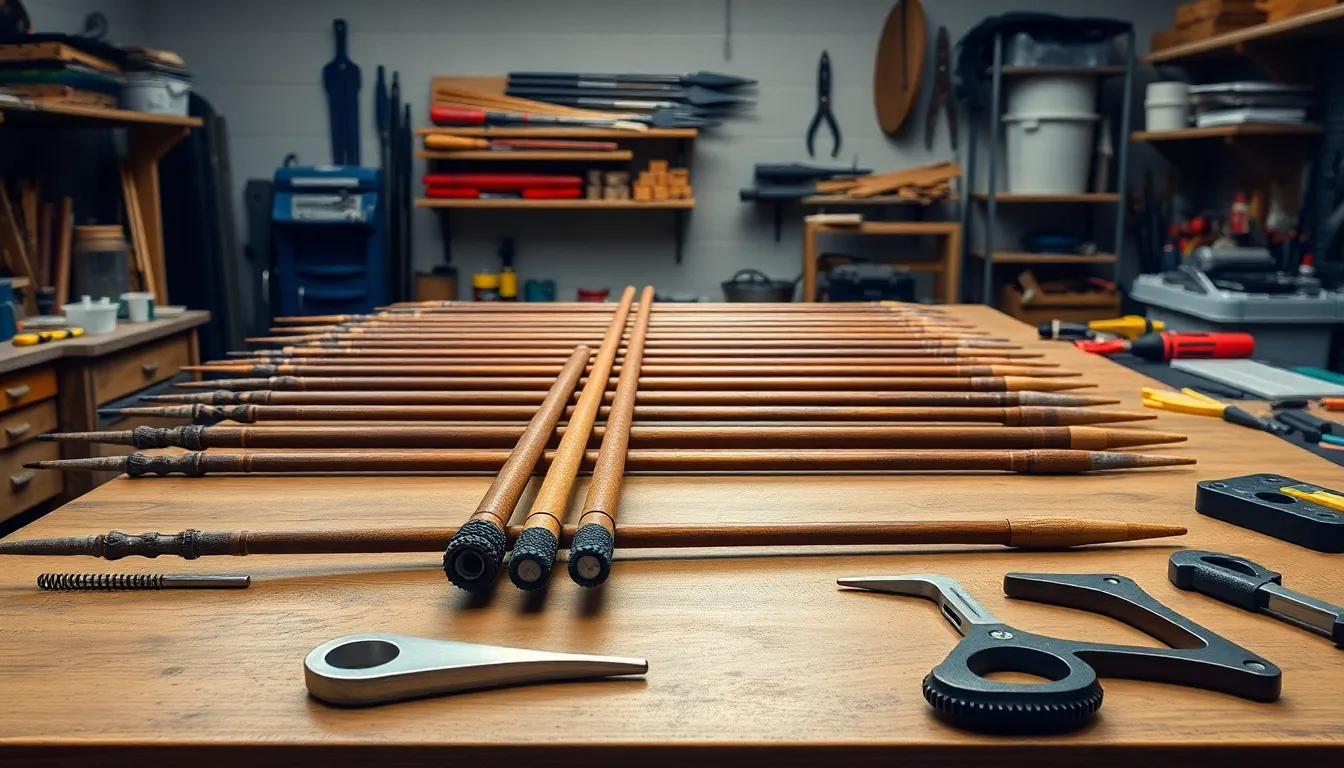
Choosing the right spear shaft diameter is crucial for both performance and safety in spearfishing. The diameter of the spear shaft affects how the spear travels through the water, its accuracy, and its ability to penetrate fish. Understanding the different diameters available and how they correspond to various species and hunting conditions can significantly enhance your spearfishing experience. An informed selection helps ensure that the gear you use aligns with your specific needs, making it essential for both beginners and seasoned hunters alike.
Key Factors to Consider
When selecting a spear shaft diameter, several key factors come into play:
- Type of Fish: Different species have varying sizes and densities, which influence the appropriate shaft diameter. Larger fish typically require thicker shafts for improved penetration.
- Water Conditions: The type of water (clear, murky, calm, or turbulent) can dictate how a spear performs. Thicker shafts are generally more stable in turbulent waters.
- Personal Preference: The feel of the spear in your hands can affect your shooting accuracy. Some spearfishers prefer lighter, thinner shafts for faster shooting, while others may opt for heavier, thicker options for stability.
Decision Checklist for Choosing Diameter
- What species am I targeting?
- What are the water conditions like?
- What is my experience level?
- Do I prefer faster, lighter shafts or more stable, heavier ones?
Feature Importance Hierarchy
Understanding the importance of different features can simplify your decision-making process. Here’s a hierarchy of features to consider:
- Penetration Power: The ability of the shaft to penetrate the fish is paramount. A thicker diameter generally offers better penetration.
- Accuracy: The spear must be straight and true; thinner shafts can flex more, potentially affecting accuracy.
- Speed: Thinner shafts often travel faster through water but may sacrifice some stability.
- Durability: Thicker shafts are typically more durable, resisting bends and breaks better than their thinner counterparts.
Budget Range Guidelines
The cost of spear shafts can vary significantly based on materials, diameter, and brand. Here’s a basic budget guideline:
- Entry-Level ($20 – $50): Basic aluminum shafts with smaller diameters, suitable for beginners targeting smaller fish.
- Mid-Range ($50 – $100): More durable materials like stainless steel, with a variety of diameters for intermediate to advanced users.
- High-End ($100 – $200+): Premium materials and advanced designs, ideal for experienced spearfishers targeting larger fish in challenging conditions.
Budget Considerations
When setting your budget, consider the frequency of use, the types of fish you plan to target, and the water conditions you encounter. Investing in a higher-quality shaft could save you money in the long run by reducing the need for replacements.
Quality Indicators to Look For
Not all spear shafts are created equal. Here are some quality indicators to ensure you make an informed choice:
- Material: Look for shafts made from high-grade aluminum or stainless steel, as they offer better resistance to corrosion and bending.
- Finish: A smooth finish minimizes drag in the water, enhancing speed and accuracy. Look for anodized or polished surfaces.
- Brand Reputation: Established brands often have a history of quality and performance. Research customer reviews and feedback.
- Warranty: A good warranty can be an indicator of the manufacturer’s confidence in their product.
Common Mistakes to Avoid
When selecting a spear shaft diameter, avoid these common pitfalls:
- Overestimating Fish Size: Selecting a shaft that is too thick for the fish you’re targeting can reduce accuracy and increase drag.
- Ignoring Water Conditions: Not taking into account the conditions can lead to choosing a shaft that performs poorly.
- Neglecting Personal Comfort: Always consider how the spear feels in your hands; an uncomfortable shaft can lead to poor shooting performance.
- Skipping Research: Failing to read reviews or seek expert advice can result in poor purchasing decisions.
Future-Proofing Considerations
As the sport of spearfishing evolves, so do techniques and equipment. Here are some considerations to future-proof your spear shaft selection:
- Versatility: Opt for a shaft that can adapt to a variety of fish sizes and water conditions.
- Upgradability: Consider shafts that allow for modifications or upgrades, such as interchangeable tips or features.
- Community Trends: Stay connected with spearfishing communities to keep up with the latest gear trends and recommendations.
Conclusion
Choosing the right spear shaft diameter is a vital part of your spearfishing gear. By considering the key factors outlined in this guide, you can make an informed decision that enhances your performance and enjoyment of the sport. Always remember to evaluate your personal preferences, the species you are targeting, and the conditions in which you will be diving. With the right knowledge and planning, you can select a spear shaft that meets your needs and improves your spearfishing success.